As Indian Cities Struggle To Plan For Heat, The Most Vulnerable Suffer
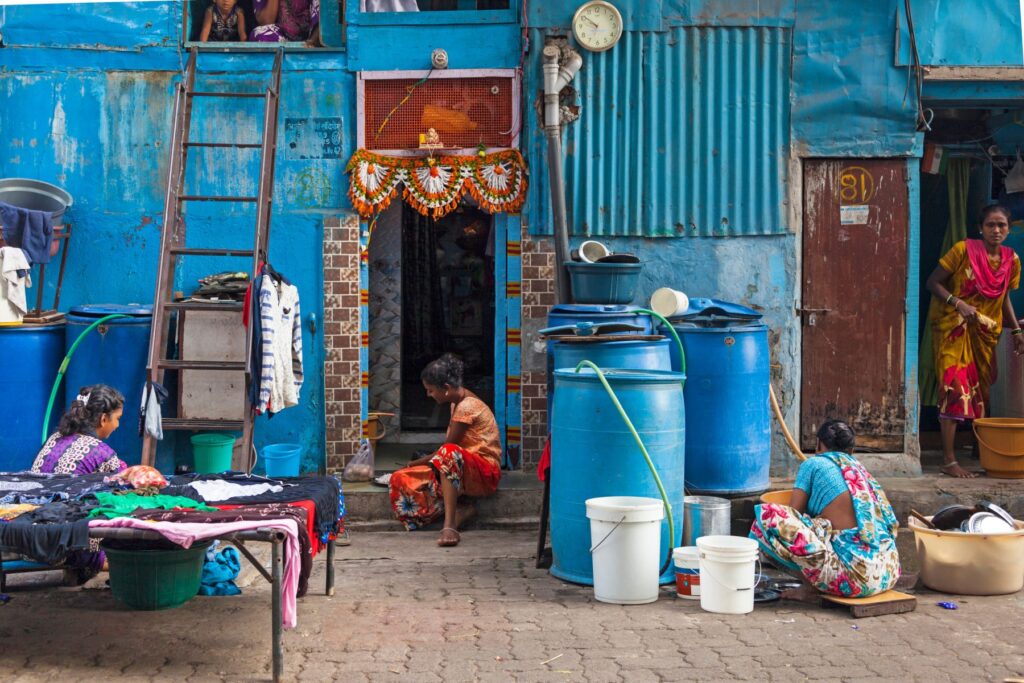
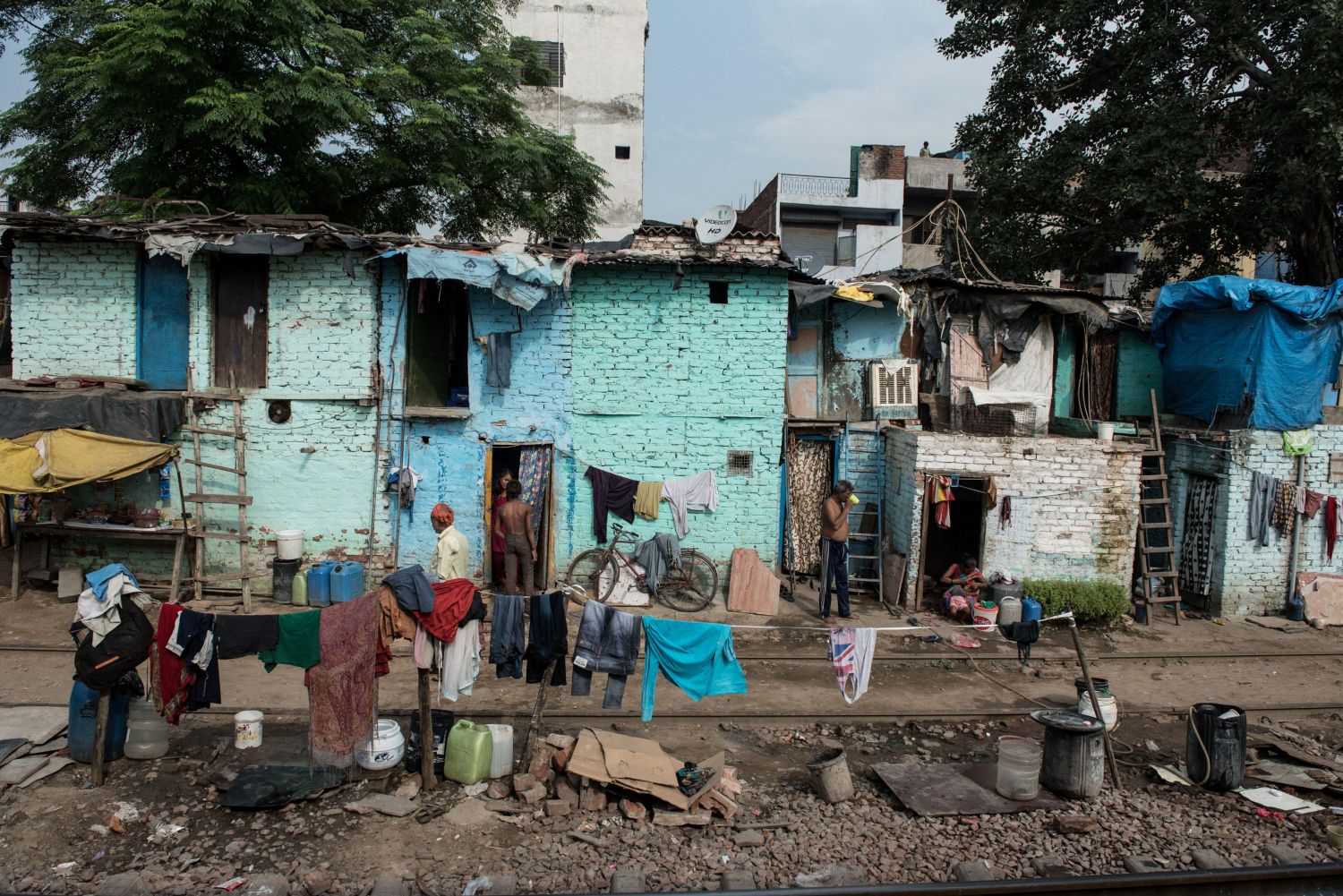
Slum housing in Mumbai. “When we talk about heat, the numbers often don’t exist for the most vulnerable,” says Rashee Mehra (Image: Galit Seligmann / Alamy)
Summer arrived early in India this year, and with it the dread of heatwaves.
Temperatures in Delhi exceeded 35C in the first week of March, the earliest they had done so since 2011. In parts of the Mumbai metropolitan region, heat warnings were issued as temperatures reached 40C.
Often known as an invisible disaster, heat is increasingly and evidently affecting the lives of those who live in India’s urban areas.
During a recent Dialogue Earth panel at Mumbai Climate Week, heat specialists warned that not only is the death toll rising now, but India’s rapidly growing cities are not being built to deal with the heat that’s coming. They said the most vulnerable people in these cities desperately need more attention and help.
Islands of heat
These high temperatures are fuelled by the urban heat island effect that keeps city temperatures higher than the surrounding countryside.
Things are likely to get worse in the future according to recent research on several Indian cities. Mean urban land temperatures are projected to rise by an additional 45% compared to surrounding rural areas.
The health risks of this heat are alarming. The India Meteorological Department recorded 10,545 heat-related deaths between 2000 and 2020. In the same period, the National Disaster Management Authority recorded 17,767, and the National Crime Records Bureau 20,615.
But experts say the true toll of heat is likely far higher. These numbers do not include deaths from other conditions exacerbated by heat – such as cardiovascular disease, diabetes, mental illness and asthma – or which have these as a contributing factor.
“Government data restricts itself to diagnosed heat-related illnesses such as heat stroke or heat exhaustion, recorded by a physician at a health facility,” notes Bhargav Krishna, coordinator of environmental governance and policy at the Sustainable Futures Collaborative, a climate change research organisation.
Living in a heat trap
Over the last 50 to 60 years, the frequency, length and intensity of heatwaves in India have increased, while urban migration has accelerated.
According to the latest available census data, the number of migrants shifting from rural to urban areas increased from 51.6 million in 2001 to 78.2 million in 2011. The slum population in the cities also increased, from 52.4 million to 65.5 million.
About 57% of Indian districts, home to over three-quarters of the population, are now classified as being at high to very high risk from extreme heat, according to a 2025 report by the Council on Energy, Environment and Water, a think-tank headquartered in Delhi. Risk was defined as “a combination of hazard, exposure, and vulnerability”.
Krishna notes that increasing heatwaves, coupled with intense urban migration and the growth of unplanned settlements due to poor urban planning, are creating “heat traps”.
The materials a home is built with determines a resident’s ability to cope with heat, Krishna adds. “You might work in a covered space, but if it’s poorly insulated, and you return to a house made of heat-trapping materials with no ventilation, you don’t recover at night.”
Extreme heat hits poorer neighbourhoods hardest, notes Rashee Mehra, an urban geographer and consultant at the Indian Institute for Human Settlements, a Bengaluru-based organisation focused on sustainable urbanisation.
The population facing such heat is also undercounted, says Mehra: “Government data says about 11-15% of Delhi’s population lives in bastis [informal settlements]. The real number is closer to 30%.”
These residents are crammed into a tiny sliver of Delhi’s land: bastis make up only 0.6% of the city, she says, whereas 2% is car parking. Because such settlements are informal, they are mostly missing from official data used for planning.
This means when new city master plans are drawn up, people in the bastis are evicted.
“Informality refers to what falls outside the purview of planning and government data collection, which is actually the majority of our city,” says Mehra, referring not just to bastis but also unauthorised colonies, resettlements areas and other informal housing and workspaces. “When we talk about heat, the numbers often don’t exist for the most vulnerable.”
But she adds: “There is no real invisibility, only people we choose not to see.”
Heat action plans
Until recently, heat was not a notified disaster, Krishna says, referring to the designation making victims and affected areas eligible for government compensation.
There was no dedicated funding, a limited political push, and no clear institutional responsibility. “In many cases, health departments led the response simply because they bore the brunt of the impacts,” says Krishna.
Though heatwaves are still not classified as disasters at a national level, progress is being made. Within the last two years, Tamil Nadu, Madhya Pradesh and Telangana have designated them as disasters for which compensation will be given to victims’ families.
Over the last decade, the primary policy response to extreme heat has been heat action plans (HAPs). These plans lay out the responses a city should take when a heatwave is declared. Measures range from providing water and oral rehydration salts to putting out advertisements on heat stress prevention, and organising preventive heat training for health workers, schoolchildren and the local community.
For red-alert-level heat, the plans call for the identification of vulnerable populations and high-risk areas, and the deployment of additional medical vans and health teams at public places such as major bus terminals.
Ahmedabad introduced the first such plan in India after the 2010 heatwave, which caused over 1,300 excess deaths, and several other cities have followed.
Earlier HAPs were often highly technical and included early warnings, emergency response protocols and public advisories. While they did identify vulnerable groups, they did not have tailored measures for street vendors, construction workers, waste pickers and other informal workers who face daily heat exposure, say experts.
Krishna says that the new generation of heat action plans, emerging in 2025, is more grounded in community needs, incorporating inputs from these heat-exposed groups.
In that year, the National Disaster Management Authority advisory explicitly urged better recognition of informal workers. Some cities have complied. For instance, Delhi’s 2025 HAP requires authorities to ensure undisrupted water supply and access to shaded areas and cooling shelters in informal settlements.
Reimagining city planning
Adaptation to heat from climate change, which drives temperatures higher, requires rethinking how cities are planned and developed, say experts in India and worldwide.
But one of the challenges is that cities tend to think about heat only when it is already hot, says Patricia Fabian, an expert on urban heat at Boston University in the US.
“In extreme conditions, they shift into emergency mode – trying to prevent deaths, reduce hospitalisations, check on neighbours. In that moment, it is difficult to think long term,” she says.
But long-term resilience means people can stay cool at home, at work and at school, so cities won’t have to rely so heavily on emergency response, she adds.
This means better planning for residents, and of basic services, as well as for features that cool urban areas, such as green spaces. Planting trees and installing cooler pavements could help, as could improving dwellings through better insulation, cooling equipment and white roofs that reflect sunlight instead of absorbing it. More focus is needed on such measures, Fabian notes.
But district cooling or large-scale systemic solutions seem distant when there remain struggles with basic urban coordination, notes Krishna. “Many cities lack green space, planning, zoning clarity and basic services,” he adds.
The most vulnerable populations – such as outdoor labourers and those living in bastis – also need to be more visible to planners via better data, and integrated into plans. “They don’t just need a place in the conversation; they need to be at the centre of it,” says Mehra.
Discussions of these vulnerabilities will mean dealing with sensitive sociocultural issues. “We know from research that caste and religious minorities are concentrated in particular areas. In India, caste is a critical vulnerability,” says Mehra. “We cannot choose not to see caste, religion, or race in planning.”
Expanding social protection for those least able to cope with the impacts of heat is essential, say Mehra and Krishna.
“Heat is felt very personally on our bodies, but we have to connect that experience to the broader condition of our cities,” says Krishna. “Heat collectivises us, but we must also recognise that in the 21st century, there are no natural disasters, only man-made ones.”
(Published under Creative Commons from Dialogue Earth)