Rajasthan Villagers Protesting Against Mining Attacked, 6 Injured
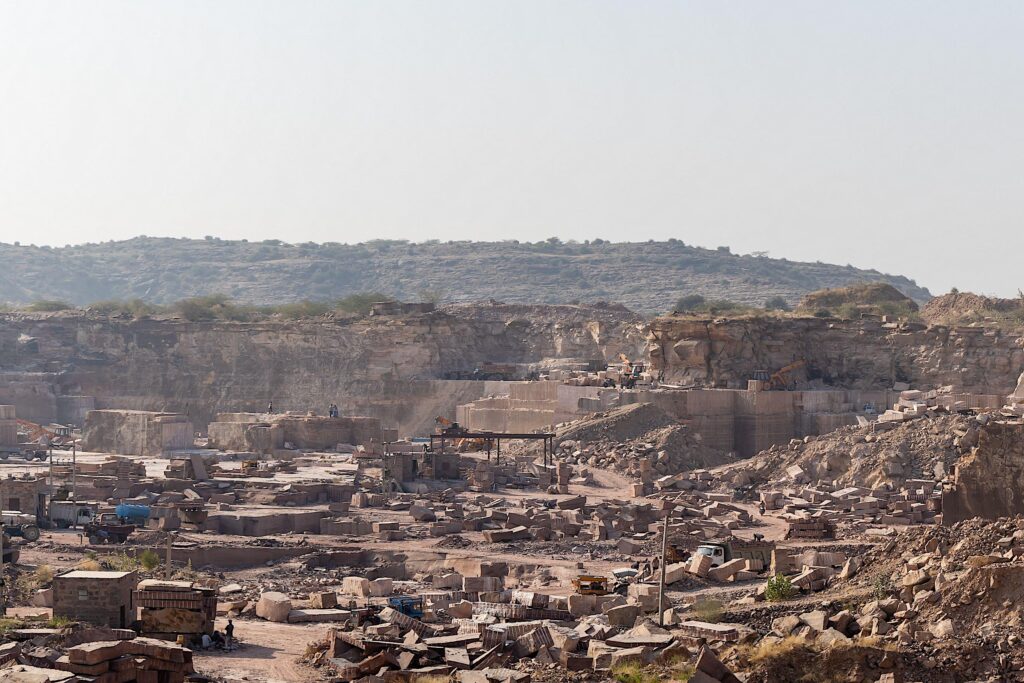
Incidents of violence at the anti-mining agitation in Rajasthan have raised questions over official inaction (Image: Bambam Kumar Jha / Alamy)
At least six villagers were injured, some with bullet wounds, after unidentified assailants allegedly attacked protesters opposing mining activities in Rajasthan’s Ajitpura-Kujeta area on Monday, triggering fresh concerns about the administration’s handling of a months-long conflict over alleged illegal mining operations.
The incident occurred in the Kotputli-Behror district, where residents say they have been protesting against mining-related environmental damage, blasting operations and heavy truck movement for nearly 300 days. While police have launched an investigation and promised action against those responsible, villagers argue that the violence reflects a deeper pattern of official neglect and the growing influence of mining interests in the region.
According to police, tensions escalated when villagers regrouped at the protest site on Monday after authorities had removed demonstrators from the area just days earlier, on May 29. What followed was a violent attack involving stone-pelting and gunfire that left several protesters injured.
Some of the victims were rushed to the government BDM Hospital in Kotputli. Officials confirmed that two people with serious injuries were later referred to Jaipur for specialised treatment.
Protest Enters 300th Day Amid Allegations of Administrative Failure
For villagers, however, the attack is not an isolated incident but the culmination of months of frustration over what they describe as official indifference to their concerns.
Residents claim they have repeatedly approached authorities regarding alleged illegal mining, frequent blasting operations, dust pollution and the movement of overloaded trucks through local settlements. According to protesters, despite numerous complaints, little meaningful action has been taken.
The agitation, which villagers say entered its 300th day on Monday, has centred on demands for stricter regulation of mining activities and greater accountability from both mining operators and the administration.
Many residents argue that the issue extends beyond environmental degradation. They claim that mining activities have damaged homes, roads and local infrastructure while affecting public health through constant dust pollution.
“The administration keeps telling us that our complaints are being examined, but the mining continues every day,” one protester said. “People are living with blasting, dust and heavy vehicles around the clock.”
Villagers also expressed anger over the removal of protesters on May 29. According to residents, instead of addressing the issues that triggered the agitation, authorities focused on dismantling the demonstration.
The decision to clear the protest camp has drawn criticism from activists and local residents, who argue that the administration prioritised restoring order over addressing the substantive grievances behind the movement.
Questions are also being raised about whether adequate security arrangements were in place when protesters returned to the site on Monday, particularly given the long-running tensions surrounding mining operations in the area.
While police have initiated an investigation into the attack, villagers contend that warnings about escalating tensions had been repeatedly ignored.
Allegations of a Mining Nexus and Demands for Accountability
The strongest accusations from protesters concern what they describe as a powerful mining network operating with political protection.
Villagers allege that mining operations in the area are controlled by a “mafia” that enjoys significant influence and has been able to continue operations despite repeated objections from local communities.
According to protesters, individuals linked to mining interests have previously threatened demonstrators and attempted to intimidate those participating in the agitation.
“There have been threats before. People have been warned not to speak against the mining activities,” a resident involved in the protest alleged.
Although these allegations have not been independently verified, they have become a central feature of the movement’s criticism of both local authorities and political leaders.
The Ajitpura-Kujeta region forms part of a limestone-rich belt that supplies raw material for cement production. Mining has long been a major economic activity in the area, but it has also generated recurring disputes over environmental impacts and regulatory oversight.
Residents argue that economic interests have consistently been prioritised over the concerns of local communities. They point to recurring complaints regarding uncontrolled blasting, damaged houses, deteriorating roads and the constant movement of overloaded trucks through villages.
The latest violence has intensified demands for an independent inquiry into both the attack and the broader allegations surrounding mining operations in the region.
Critics say the administration’s response cannot be limited to identifying those who carried out the assault. They argue that authorities must also explain why a protest that has continued for nearly 300 days reached a point where demonstrators allegedly came under armed attack.
For many villagers, the central question remains unanswered: why were repeated complaints over mining activities allowed to accumulate without resolution until tensions exploded into violence?
As police continue their investigation and additional security forces remain deployed, residents insist that justice will require more than arrests. They are demanding accountability for the attack, transparency regarding mining operations and a serious response to the grievances that have fuelled one of Rajasthan’s longest-running local protests.
Until those issues are addressed, villagers fear that the violence of Monday may be remembered not as an isolated episode but as a symptom of a much larger failure of governance in a region where economic interests and public concerns appear increasingly on a collision course.