When Marriage Becomes A Death Trap In India
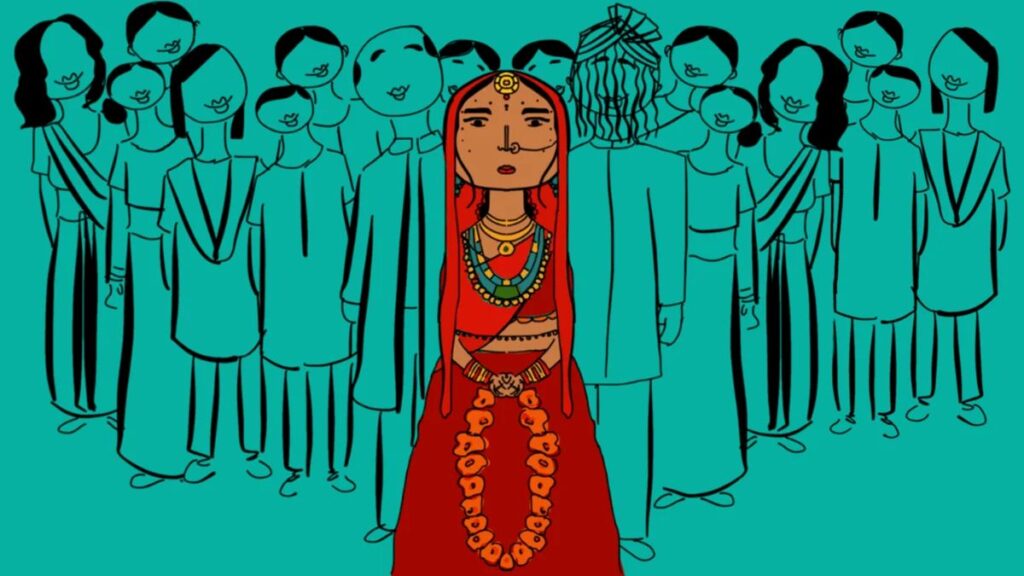
Despite decades of laws, awareness campaigns and promises of gender equality, dowry and domestic violence remain deeply entrenched in Indian society. What makes these crimes particularly disturbing is that they often occur within spaces traditionally considered safe — homes and marriages (Image: FeminismInIndia)
The deaths of at least four women in recent weeks due to alleged dowry harassment and domestic violence have once again exposed the brutal reality hidden behind the walls of many Indian homes. Each incident may appear isolated, but together they point to a much deeper crisis — one where women continue to suffer violence, emotional abuse, coercion and even death in the name of marriage, family honour and financial expectations.
Despite decades of laws, awareness campaigns and promises of gender equality, dowry and domestic violence remain deeply entrenched in Indian society. What makes these crimes particularly disturbing is that they often occur within spaces traditionally considered safe — homes and marriages. Behind wedding celebrations and social appearances, countless women endure intimidation, humiliation and violence, often silently.
Dowry, though legally prohibited under the Dowry Prohibition Act of 1961, continues to function as an unofficial social institution across many communities. What was once projected as voluntary gifts has evolved into systematic financial extraction from the bride’s family. Demands for cash, vehicles, gold, property and expensive consumer goods are frequently disguised as “expectations” or “customs”. When these demands are not fulfilled, women often become targets of relentless harassment.
Domestic violence linked to dowry does not always begin with physical assault. It often starts subtly through taunts, insults, emotional manipulation, restrictions on movement and economic control. Women may be repeatedly reminded of what they “failed” to bring into the marriage. Many are denied financial independence, isolated from their families or pressured into asking parents for more money. Over time, emotional abuse can escalate into physical violence, torture and, in extreme cases, murder or forced suicide.
One of the greatest challenges in addressing these crimes is the culture of silence surrounding them. Women are frequently told to “adjust” for the sake of marriage, family reputation or children. Parents, despite recognising signs of abuse, may hesitate to intervene because of social stigma or fear of marital breakdown. In many cases, survivors continue to stay in violent environments because they lack financial security or social support.
The pressure to preserve marriages at all costs often turns families and communities into silent spectators. Even educated and economically stable women are not immune. Domestic violence cuts across class, caste, religion and urban-rural divides. While poverty may intensify vulnerability, patriarchy remains the common thread that normalises control over women within marriage.
Another troubling aspect is how society tends to treat domestic violence as a “private matter.” Neighbours, relatives and even local authorities often avoid intervening until tragedy strikes. Complaints made by women are frequently dismissed as family disputes rather than serious crimes. Many women who approach police stations report being encouraged to reconcile instead of receiving immediate protection and legal assistance.
Laws exist, but implementation remains weak
India has several laws intended to protect women from dowry harassment and domestic abuse. Section 498A of the Indian Penal Code criminalises cruelty by husbands and their relatives, while the Protection of Women from Domestic Violence Act, 2005, provides civil remedies including protection orders, residence rights and maintenance. Dowry death is separately recognised under Section 304B of the IPC.
Yet the existence of laws alone has not been enough to stop violence. Delayed investigations, poor evidence collection, social pressure and lengthy court proceedings often weaken justice delivery. Many cases never reach trial because survivors withdraw complaints under pressure from families or because they fear retaliation. In dowry death cases, proving sustained harassment before death can also become legally complex.
At the same time, public debates around the “misuse” of laws have sometimes overshadowed the larger issue of violence against women. While misuse in any legal framework can occur, experts repeatedly point out that underreporting remains a far bigger problem than false reporting. Many women never approach authorities due to fear, dependency or lack of faith in the system.
Economic dependence remains one of the strongest factors trapping women in abusive marriages. Women without independent income or property often have limited options for leaving violent households. Shelters, counselling centres and legal aid services remain inadequate in many regions, especially in smaller towns and rural areas. Mental health support for survivors is also severely lacking.
The role of education is equally important. While literacy levels have improved, gender attitudes within families have not changed at the same pace. Sons are still frequently raised with entitlement while daughters are conditioned to sacrifice and tolerate. Marriage continues to be treated as a woman’s ultimate responsibility, making it harder for survivors to walk away from abuse.
Media coverage of dowry deaths and domestic violence often sparks temporary outrage, but deeper social reflection is limited. Every such death should force society to ask uncomfortable questions: Why are women still treated as financial burdens? Why does marriage continue to involve economic transactions? Why are survivors expected to compromise while abusers are protected in the name of family honour?
Ending dowry harassment and domestic violence requires more than stricter punishment. It demands a transformation in social attitudes. Families must stop viewing daughters as liabilities and sons as investments. Schools and colleges need to include gender sensitisation and conversations around consent, equality and healthy relationships. Religious leaders, community elders and local institutions must openly condemn dowry practices instead of silently participating in them.
Workplaces and educational institutions also have a role in creating support systems for women facing abuse. Accessible helplines, fast legal assistance, safe shelters and community counselling networks can help survivors seek help before violence escalates.
Most importantly, society must stop romanticising endurance as a feminine virtue. Women should not have to choose between dignity and social acceptance. Marriage cannot become a justification for violence, coercion or exploitation.
The recent deaths of these women are not isolated tragedies; they are reminders of a systemic failure to protect women within their own homes. Until families, institutions and society collectively reject dowry and confront domestic violence without excuses or silence, many more women will continue to pay with their lives for a system that values social appearances over human dignity.