This Is Why Your Exotic Pet Could Be Putting Your Health At Risk
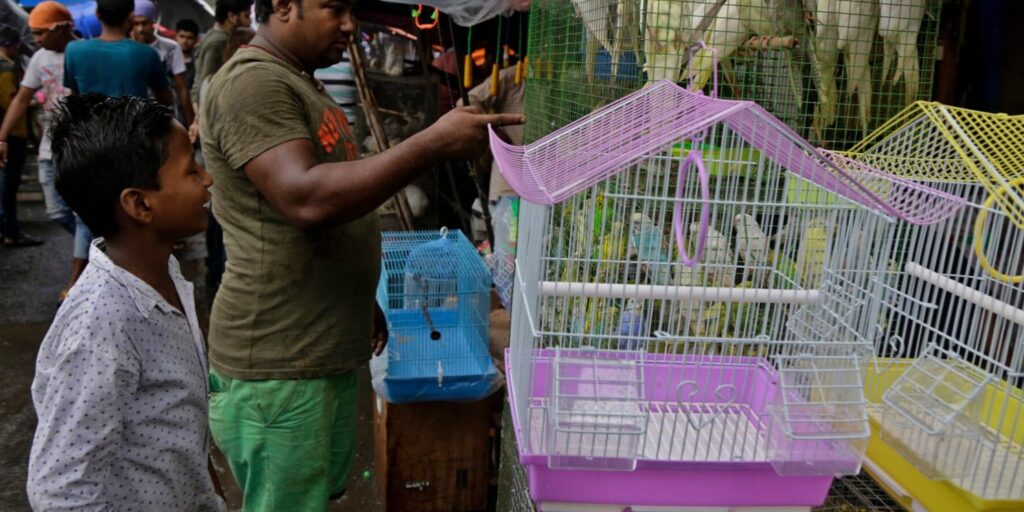
Caged birds at a pet market in Kolkata, West Bengal (AP Photo/Bikas Das)
- Exotic pet trade creates multiple opportunities for zoonotic spillover, from capture and transport to sale, handling and public display of the animals.
- Traded wildlife can carry a range of pathogens with zoonotic potential, with documented risks spanning birds, mammals, reptiles and others.
- Growing human-wildlife contact through pet cafes, petting zoos and public events adds to the risk, while weak regulation and surveillance can make transmission difficult to trace.
- India needs stronger One Health attention to the exotic pet trade, including research, surveillance and measures to regulate the commercial pathways through which these animals enter the country.
The growing trade in exotic pets is creating multiple opportunities for zoonotic diseases to spill over from animals to humans. From capture and transport to sale, handling and public display, every stage of the trade can increase exposure to pathogens. Experts warn that India needs stronger One Health surveillance, research and regulation to address the risks associated with wildlife entering the country through both legal and illegal channels.
Mumbai-based veterinarian Dr. Rina Dev recently spent four days in hospital with a lung infection. “I hope it’s not something from the parrots I was treating,” she told Mongabay-India after her discharge. Dev, an avian and exotic-animal veterinarian, works with the forest department to treat imported and seized animals involved in the wildlife trade.
Her concern is not unfounded. Avian chlamydiosis, or psittacosis, is caused by the bacterium Chlamydia psittaci and is commonly associated with people who handle infected birds.
A 2024 case in India linked the infection to exposure to a pet parrot, while customs officers in Belgium contracted chlamydiosis after handling infected parakeets in 1994. A 2021 review by the ICAR-Indian Veterinary Research Institute described avian chlamydiosis as a “neglected disease” with “critical zoonotic potential”.
A chain of disease risks
The COVID-19 pandemic brought zoonotic diseases into public consciousness, demonstrating how pathogens can cross from animals to humans and cause widespread disruption. Wildlife trade creates repeated opportunities for such transmission, particularly when animals are captured, transported under stressful conditions, held in markets and eventually brought into homes or public spaces.
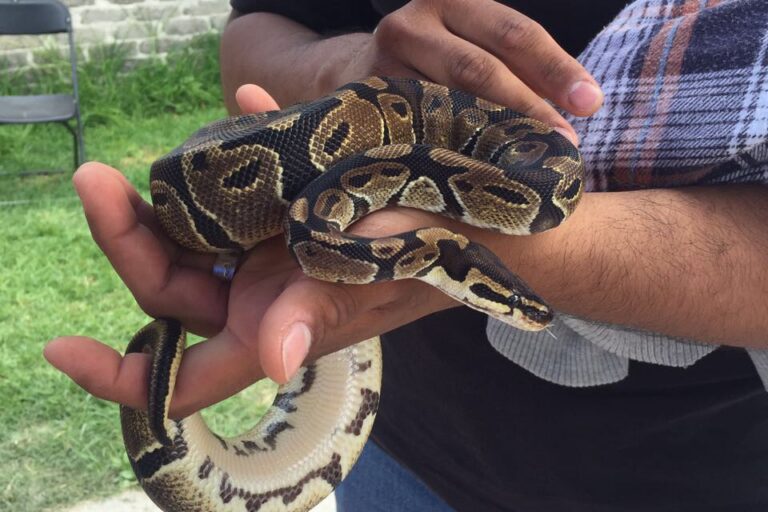
A 2021 study identified illegal wildlife trade as a major facilitator of emerging infectious disease events. Around 75% of emerging infectious diseases are zoonotic, while an estimated 1.7 million unknown viruses may exist among mammals and birds, according to a 2026 report on India’s exotic pet trade by Humane World for Animals.
Researchers analysing 2,079 traded species and four decades of global wildlife-trade data found that traded mammals were 1.5 times more likely to share pathogens with humans than non-traded mammals. The longer a wild mammal remained in trade, the greater its pathogen overlap with humans.
The risks extend beyond birds. “Tuberculosis is increasingly being detected among primates, which is a big zoonotic concern,” says Dev. She also points to aspergillosis, salmonellosis, leptospirosis, avian influenza and parasitic infections as potential concerns.
“Parasites such as ticks and gastrointestinal parasites in these animals too can cause diseases,” she says, adding that she has detected Lyme disease during screening of traded wildlife. “Many diseases are still unknown. Animals can contract a host of pathogens during transportation and sale.”
A 2021 review of 82 studies on illegal wildlife trade documented 240 pathogen cases, more than 60% involving pathogens with known zoonotic potential. These included pathogens associated with birds, mammals, reptiles, amphibians, fish and invertebrates.
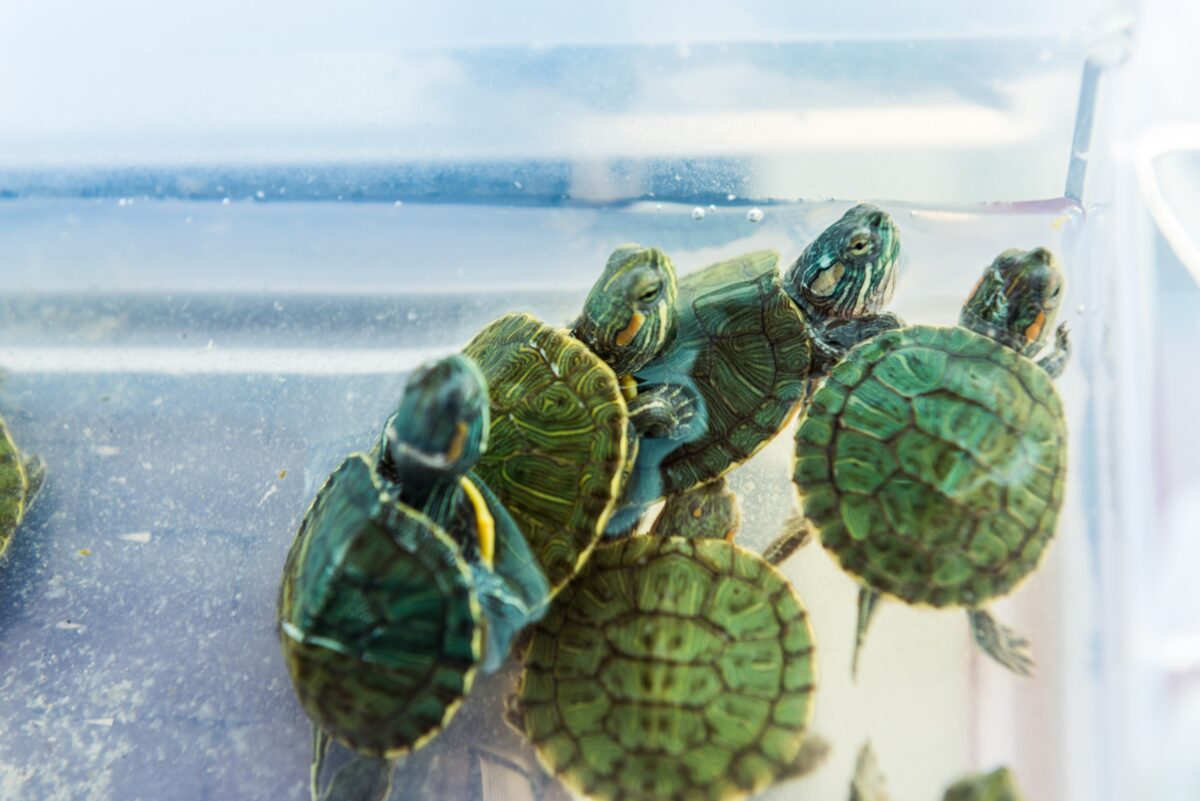
India’s exotic reptile trade presents another challenge. A 2021 study identified 84 reptile species in trade and found major gaps in CITES reporting. In July 2025, Singapore authorities seized a consignment of 2,500 red-eared sliders bound for India. All the turtles were found to carry Salmonella and were euthanised.
Human-wildlife contact adds to the risk
Disease transmission can occur through bites and scratches, saliva and excreta, contaminated cages, food and water, as well as respiratory droplets and aerosols. Stress during capture and transportation can further weaken animals’ immune systems and increase pathogen shedding.
First responders may also face risks when dealing with seized animals. Conservation researcher Uttara Mendiratta says border officials often have to handle live animals while simultaneously trying to arrange veterinary support.
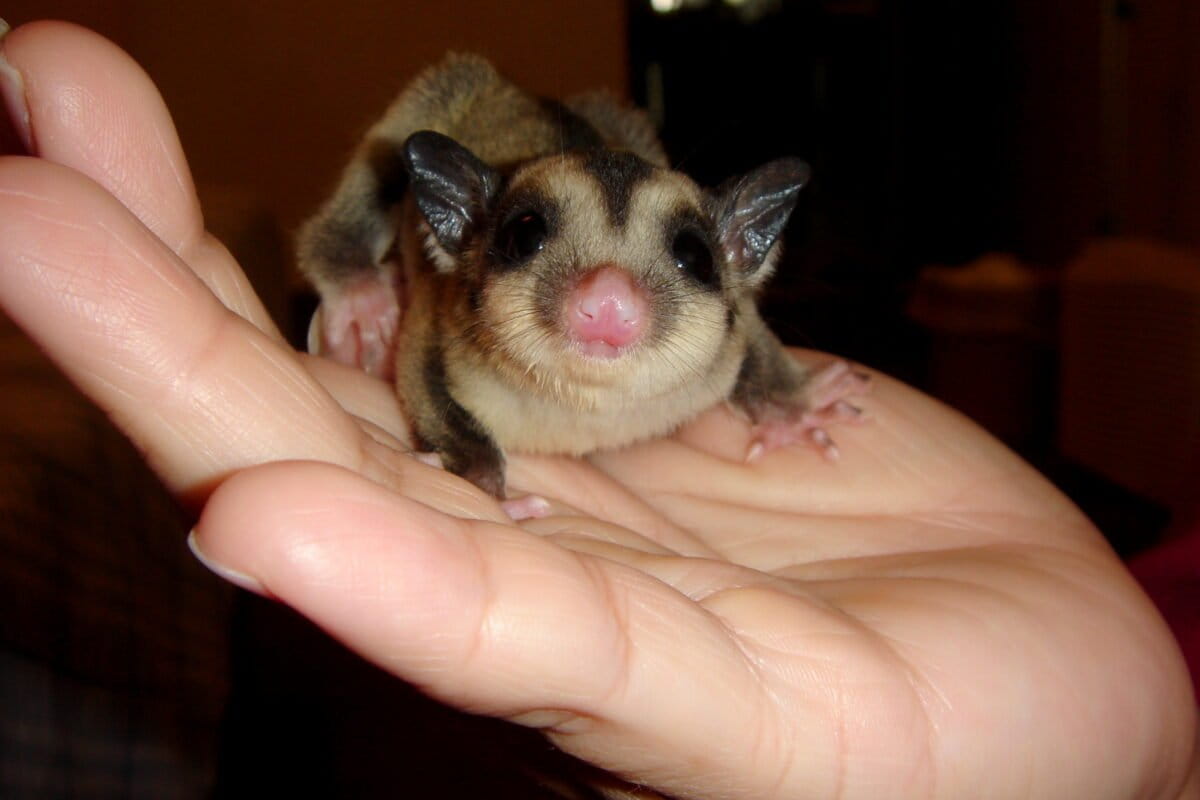
“If animals were imported legally, they would go through quarantine and disease testing. But illegally trafficked animals that are not screened can reach communities without that process,” she says.
The risks increase when exotic animals are brought into public spaces. Pet cafes, petting zoos, schools and public events can create frequent and poorly monitored human-wildlife interactions. Mendiratta warns that many such facilities are unregulated, making it unclear where animals originated or how frequently they receive veterinary checks.
Sumanth Bindumadhav, director of Humane World for Animals India, calls the situation “very risky, particularly from a public health perspective”.
The June 2026 arrest of a practising medical doctor and six others in Bengaluru over alleged illegal possession of exotic wildlife further highlighted the concern. The case reportedly involved links to an Instagram account promoting wildlife education programmes in schools, colleges and public events, raising questions about the exposure of children to potentially untested animals.
The One Health gap
There is also a reverse pathway: humans can transmit pathogens to wildlife, known as reverse zoonosis or anthroponosis. A review documented 97 human-to-wildlife transmission events, highlighting the vulnerability of captive animals, particularly closely related species such as primates.
India has quarantine and screening requirements for legally imported animals, but experts say these systems may not adequately address illegally trafficked wildlife or animals requiring repatriation. Inadequate quarantine infrastructure at some airports can further complicate disease control.
Experts argue that the exotic pet trade must receive greater attention within India’s One Health framework. “Beyond research, there is also an urgent need to address the possibility of zoonotic pathogens entering through this trade,” says Mendiratta.
A stronger response would require collaboration between veterinary, public-health, wildlife, customs and environmental authorities, alongside better surveillance, research, quarantine infrastructure and regulation of commercial pathways.
“We have tried to raise this issue with people working on One Health because we believe exotic pets represent an important potential disease pathway. So far, we have not seen the level of response or investment we had hoped for,” Mendiratta says.
(Published under Creative Commons from Mongabay-India)