Odisha Bauxite Mining Transforms Living Hills Into Emptiness
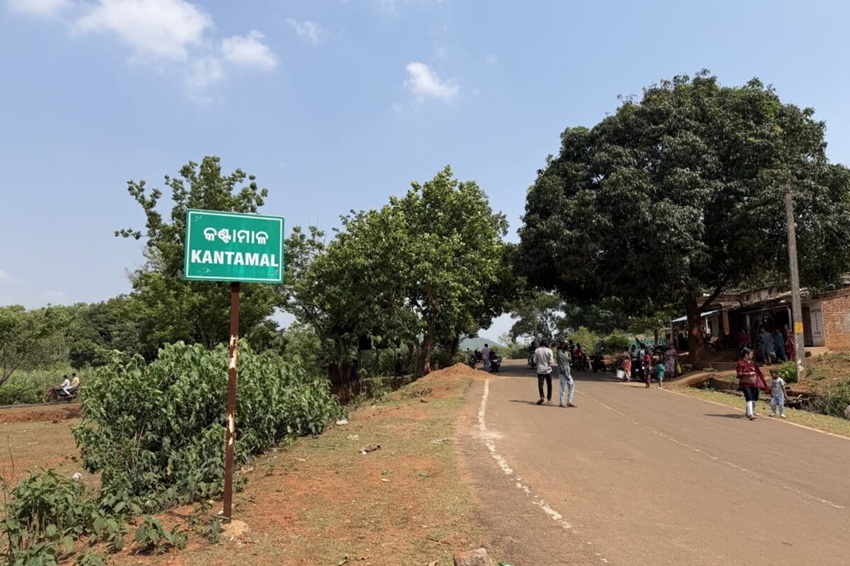
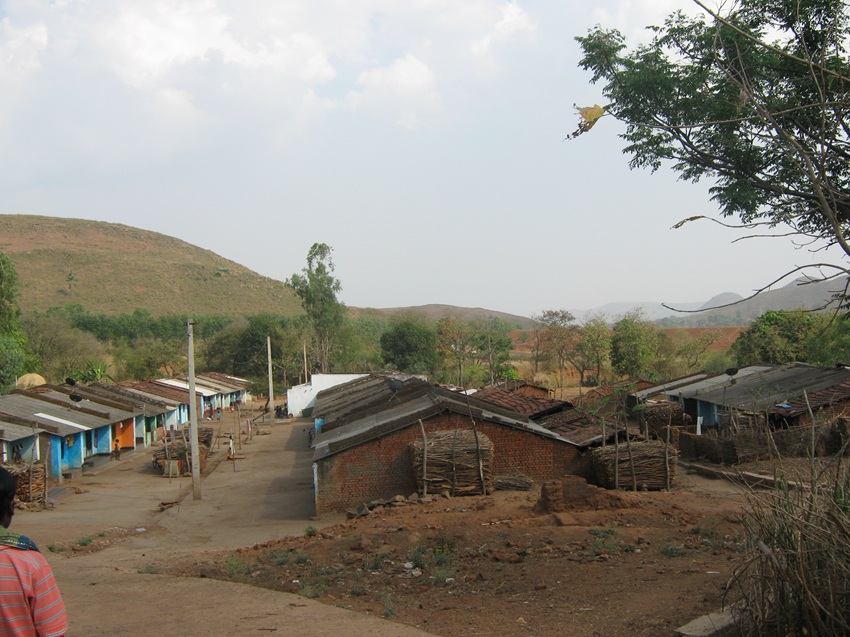
Kantamal is one of over 44 villages nestled in the foothills of the Sijimali range in Odisha’s Rayagada and Kalahandi districts. Sijimali’s proposed bauxite mining revives fears of the region’s decades-long, unresolved conflicts over hilltop bauxite extraction (Image by Ashwini Kumar Shukla)
- An unjust approach to bauxite mining in Sijimali, Odisha, raises fears of repeat of long-standing conflicts witnessed in Eastern India since the 1980s.
- These hilltops are unique ecosystems supporting biodiversity and communities through multiple uses. Seeing bauxite ore in isolation undermines the larger ecosystem.
- The hills and the villages comprise an intricate sacred geography intrinsic to Adivasi life.
The proposed bauxite mining project in the Sijimali Hills of Odisha has raised serious concerns among Adivasi and Dalit communities, environmentalists and researchers. Critics fear that the project could reproduce the long history of conflict associated with bauxite mining in Eastern India since the 1980s. At the heart of the controversy is a narrow understanding of the hills as sources of mineral wealth rather than as complex ecosystems and culturally significant landscapes.
The concern was highlighted by a statement from a Vedanta official during a documentary about the environmental impact of mining. When questioned about the region, the official reportedly said: “In the mine lease area there is no natural water source cited … (In) the tree enumeration report, it is evident that we have hardly 2933 trees only.” Such an assessment implies that the absence of dense forests and visible water sources means that mining would pose little ecological risk. However, this perspective overlooks the wider ecological functions of the hills and their importance to local communities.
A similar description was used in the neighbouring Baphlimali Hills, where mining has operated since 2013. Local communities recalled that officials of Utkal Alumina International Limited (UAIL) described the area as a “terra nullius”, or a space without humans, consisting of “only rugged terrain with small valleys where some ragi [millets] and grass grew.” Such descriptions effectively erase the people, livelihoods and cultural practices connected to these landscapes.
The ecology of bauxite hills
Bauxite is an aluminium-bearing ore formed through prolonged weathering and leaching under heavy rainfall. In the Eastern Ghats, it is concentrated near the tops of flat-topped hills, making extraction comparatively easy. Many of these plateaus contain grasslands, while hills such as Sijimali, Kutrumali and Sasubohumali also have forest patches.
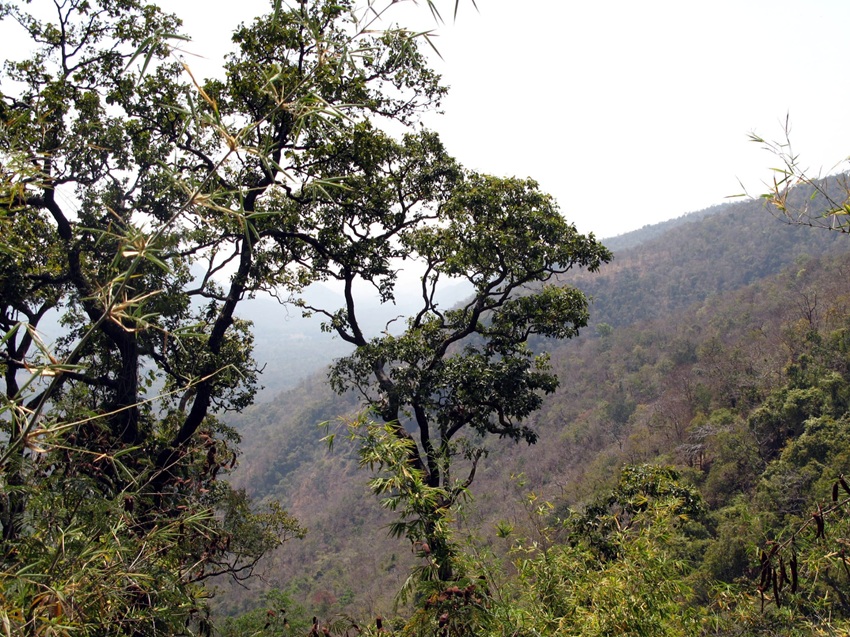
Yet viewing these hills only through the presence of bauxite ignores their wider ecological role. The hilltops often lack dense forests because prolonged weathering has removed much of the soil and minerals. Instead, they support distinctive grassland ecosystems with important biodiversity and provide grazing areas for livestock.
The forested slopes supply communities with Minor Forest Produce such as tendu and chironji fruits, sal seeds and leaves, grasses used for ropes and brooms, and medicinal plants.
The hills also perform an important hydrological function. Hydrologists have described tabletop hills as natural “sponges” that absorb rainwater and release it gradually throughout the year. This process sustains perennial streams that provide water for bathing, washing, irrigation and fishing in surrounding villages. These ecological services are largely invisible in assessments that focus narrowly on mining-lease boundaries.
Mining could therefore affect not only the hilltops but also forests, streams, farms and traditional forms of cultivation such as podu. Compensatory plantations after mining cannot necessarily replace the ecological relationships that have developed over generations.
A sacred cultural landscape
For local Adivasi and Dalit communities, the hills are not simply geological formations. They form part of a sacred geography that is deeply connected to identity, kinship, religion and everyday life. Communities including the Kondh, Jhodia, Pengo and others depend on combinations of hilltop grazing, hillside cultivation, valley farming, streams and forest produce.
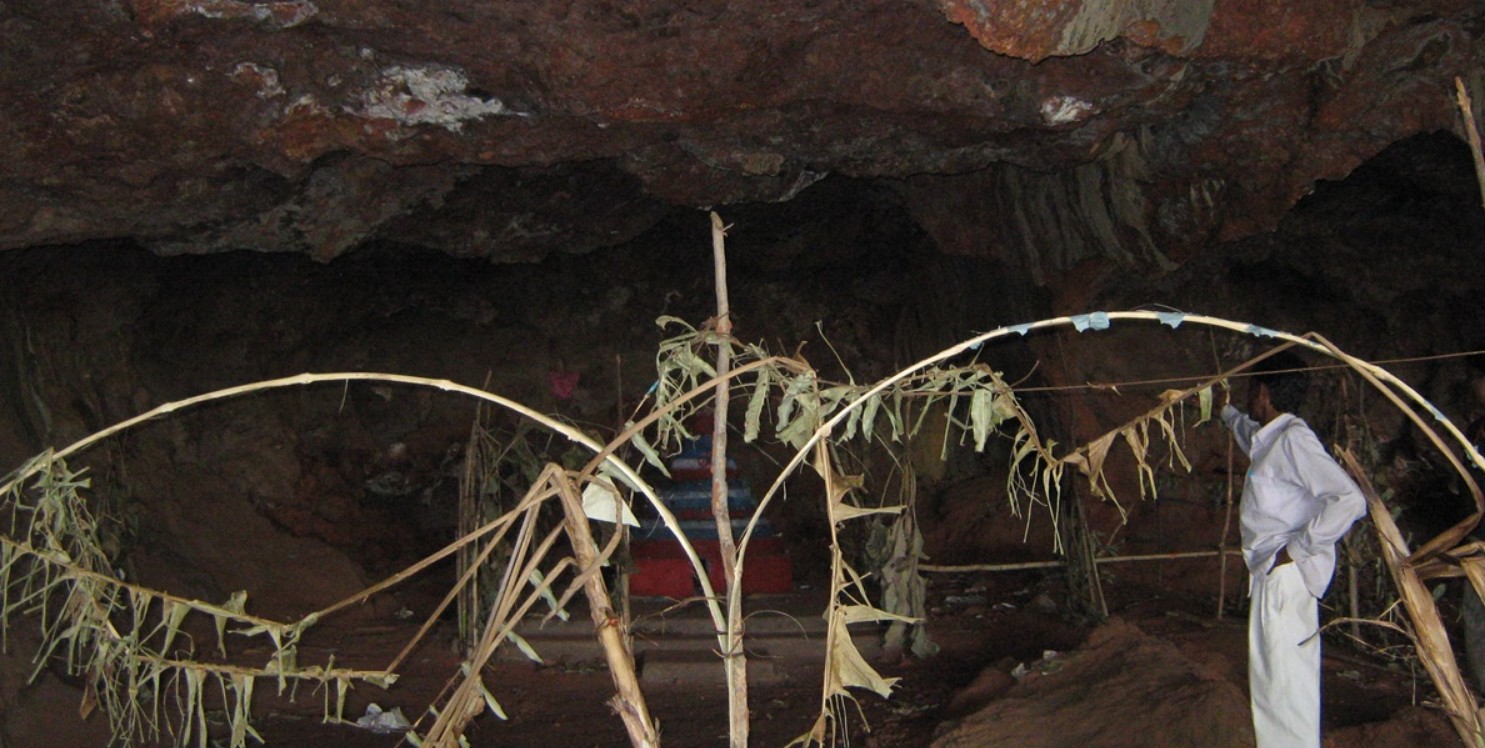
The hills are also associated with caves, tunnels, religious sites and annual festivals. Local traditions describe each hill as having its own deity, connected through relationships with village and neighbouring hill deities. In Sijimali, Tiji Raja is regarded as a powerful but gentle lord who protects the people and maintains peace.
Local folklore even connects Sijimali with Niyamgiri through a story of divine rivalry. According to local bards, “Tiji Raja stole the enchanting wife of Niyama Raja,” creating an enduring relationship of envy between the two hills. Such stories demonstrate that the landscape is understood through social and spiritual relationships rather than as inert mineral deposits.
A history of resistance
The controversy over Sijimali also reflects a long history of resistance to mining in Eastern India. In Kashipur, three Adivasi protesters were killed in Maikanch in 2000 during opposition to mining. Despite resistance, mining eventually began in Baphlimali in 2013, after which communities have reported serious environmental changes, including air pollution, respiratory and skin problems, contaminated streams, red-mud spills and fly ash affecting agricultural land.
Other struggles provide contrasting examples. In Niyamgiri, community resistance eventually stopped Vedanta’s proposed bauxite mining project in 2013 after the Supreme Court recognised the authority of Gram Sabhas to decide on matters affecting their religious and cultural rights. Mining proposals in Gandhamardhan in Odisha and Araku and Jerrela in Andhra Pradesh have similarly faced strong Adivasi opposition and were ultimately abandoned.
The Sijimali conflict must therefore be understood within this wider history. Treating the hills as empty spaces containing exploitable ore risks repeating the mistakes of earlier projects.
The growing atmosphere of secrecy and alleged repression, including reports of bulldozer action and restrictions on journalists and activists, adds to these concerns. Development cannot simply mean extracting resources for private interests. The hills sustain biodiversity, water systems, livelihoods, cultural practices and sacred relationships that cannot be measured merely by counting trees or identifying water sources within a mining lease.
As the experience of Niyamgiri and other regions demonstrates, protecting these landscapes requires recognising Adivasi communities not as obstacles to development but as custodians of ecological knowledge and cultural heritage. For Sijimali, the real question is not how much bauxite can be extracted, but what ecological, social and cultural costs will be paid for doing so.