West Asia Conflict Raises Concerns Over Urea Supply In India
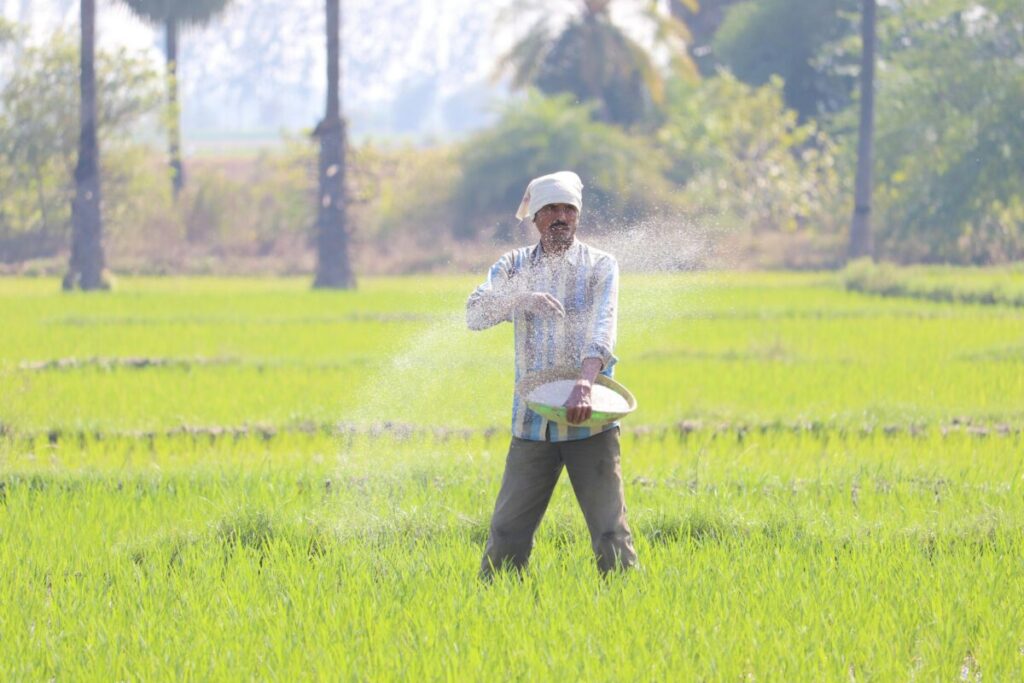
Congress chief Mallikarjun Kharge alleged that instead of addressing farmer distress, and fuel and fertiliser security, the Union government was attempting to “divert public attention through delimitation theatrics” (Image by Vinay Kumar Bairi via Public Domain)
- Disruptions to natural gas supply and shipping routes could affect India’s urea production and fertiliser imports ahead of the Kharif season.
- Despite higher domestic output, India remains dependent on imported LNG and fertilisers, making the sector vulnerable to global geopolitical shocks and price volatility.
- While the government cites adequate stocks, industry signals and expert warnings point to potential shortages, higher subsidy burden, and the need for alternative fertiliser strategies.
As the conflict in West Asia involving Israel, Iran, and their allies continues, concerns are growing over its potential impact on fertiliser availability in India, particularly urea, which accounts for over half of India’s fertiliser consumption and plays a key role in crops such as paddy and wheat.
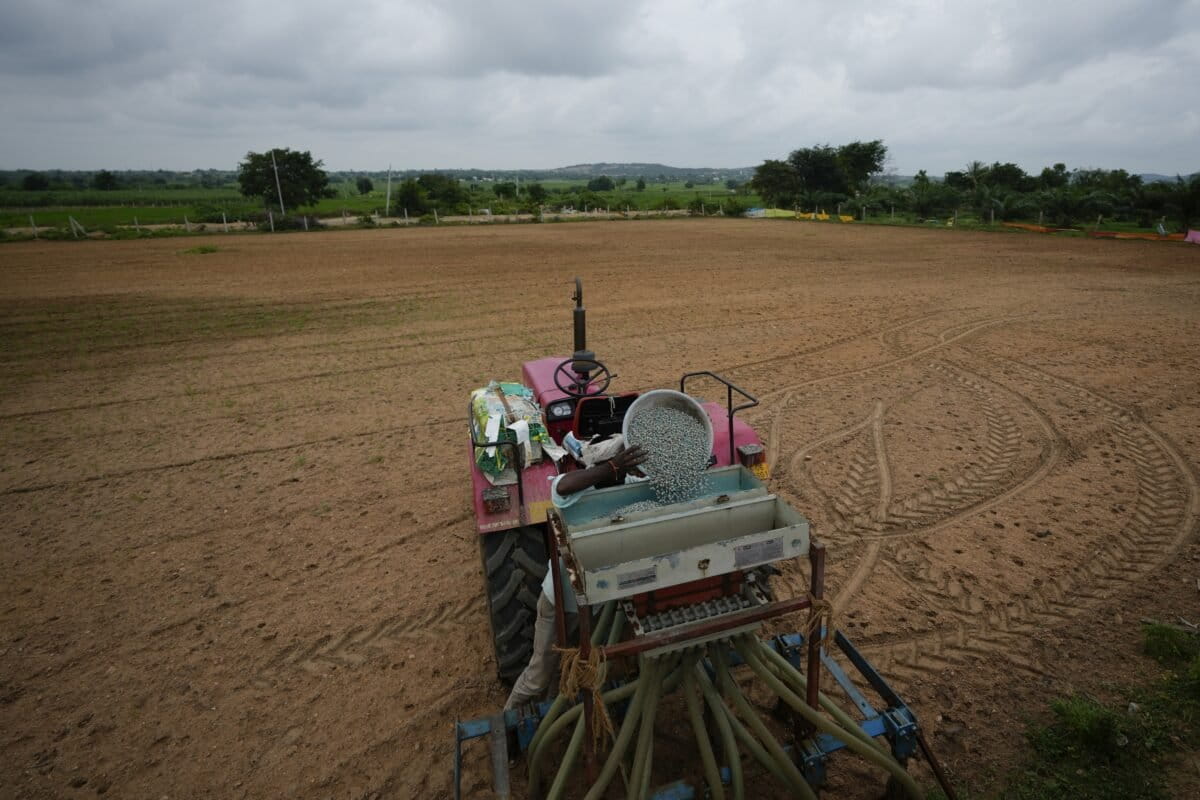
The Indian government, however, has repeatedly maintained that sufficient stocks are available and that it is taking all measures to ensure farmers receive sufficient fertiliser during the kharif season (from June to October).
Prime Minister Narendra Modi, speaking in Parliament on March 23 and 24, said, “The government is also working to ensure that farmers receive adequate fertiliser in the upcoming sowing season.” However, he flagged the risks arising from the ongoing conflict. “This war has now continued for more than three weeks. It has created a severe energy crisis across the world. For India too, this situation is worrisome,” he said, adding, “Our trade routes are being affected. Routine supplies of essential goods such as petrol, diesel, gas, and fertilisers are disrupted. Many ships are stranded in the Strait of Hormuz.”
If the global circumstances created by this war persist for a long time, serious consequences are inevitable, the Prime Minister said.
On March 10, the government included the fertiliser sector on its priority list for gas allocation, stating that plants would receive at least 70% of their average natural gas consumption over the previous six months.
Ahead of the kharif season, India’s total fertiliser reserves stood at 18 million metric tonnes (MT) against 13 million MT in 2025. The present stock includes around 6 million MT of urea as of March 10. Compared to this, the government claimed that last year’s urea stock was around 5 million MT.
Over the past decade, the government has emphasised expanding domestic urea production capacity, which has increased from around 20.8 MT per annum in 2014–15 to 28 million MT per annum in 2023–24. However, urea production remains dependent on natural gas, much of which is imported.
Rajneesh Pandey, Deputy General Manager at Indian Farmers Fertiliser Cooperative Limited (IFFCO), says that at present, stocks are comfortable for urea and phosphates, and the stock position is better than last year. IFFCO is a major Indian cooperative society that plays a key role in India’s fertiliser supply chain.
While official assurances remain firm, emerging signals point to stress in the system. Reports suggest that some companies have restricted the supply, leading to disruptions in natural gas supplies to key sectors, including the fertiliser industry. There are also indications that constrained gas availability could affect urea production.
The Fertiliser Association of India (FAI) has urged the government to provide financial relief to urea producers impacted by gas supply disruptions, warning that production shortfalls and shortages of packaging materials could affect supplies ahead of the kharif season.
Siraj Hussain, former Agriculture Secretary, Government of India, says, “In kharif, the Government should plan for shortage of urea due to much lower availability of LNG from Oman.”
Public policy campaigner Narasimha Reddy Donthi cautions that the situation could worsen. “Last year, we saw farmers struggling and standing in queues even without any major international disruption. This year, the situation could worsen,” he says. He adds that the extent of the crisis would also depend on how the government responds and communicates with farmers, as panic could lead to hoarding and black marketing.
The geopolitical risk
A standing committee on chemicals and fertilisers, in a report tabled in December, highlights the central role of urea in India’s agricultural system, noting that it has been critical in achieving food grain self-sufficiency and supporting crop growth.
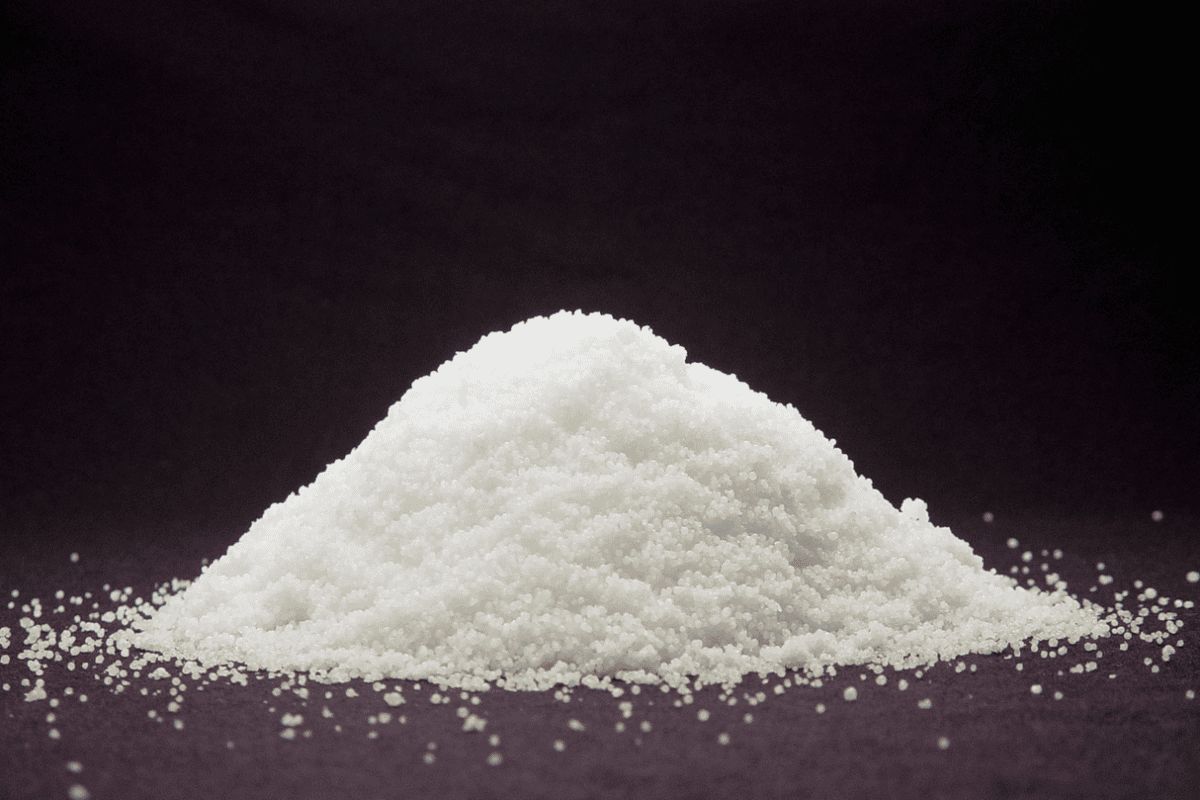
India currently has 33 urea units with a reassessed capacity of 27 MT. However, with consumption at around 38.8 million MT in 2024–25 and domestic production at about 30.7 MT, a significant supply gap persists, the report highlighted.
India remains one of the largest importers of urea. According to a policy brief by the Indian Council for Research on International Economic Relations (ICRIER), Oman accounted for 46% of imports, followed by Russia (16%), Saudi Arabia (9%), and the UAE (6%). A large share of these supplies originates from regions affected by the ongoing conflict. ICRIER is an independent public policy organisation.
Reports indicate that shipping costs have increased due to higher insurance premiums and other factors. As a result, global urea prices rose sharply from $484 per tonne to about $652 within ten days, according to the ICRIER report. The price was hovering around $684 per tonne as of March 27.
Hussain, former Secretary, Agriculture, says, “The Modi government has done a good job by rehabilitating four urea plants, which have added 7.3 million tonnes of capacity. Even then, India has to import 20–25% of its urea consumption in a year.”
On concerns related to rising freight and insurance costs, he says, “Availability of urea will be adversely impacted. Even if the domestic production was not affected, India imports about 10 million tonnes of urea every year. I am not sure if imports from China and Russia can provide the required quantity, especially for kharif.”
This import dependence is compounded by vulnerabilities in domestic production. Urea manufacturing relies heavily on natural gas, which accounts for nearly 90% of production costs, making the sector highly sensitive to fluctuations in gas availability and prices, the standing committee report noted.
A report by the Oxford Institute for Energy Studies highlights how the ongoing conflict in West Asia could exacerbate these vulnerabilities. India meets around 45–50% of its natural gas demand through LNG imports, much of which is sourced from Gulf producers, including Qatar. Recent reports of damage to gas infrastructure in the region have raised concerns over potential disruptions in LNG supply.
A significant share (60% of LNG) of these supplies transits through the Strait of Hormuz, a key global energy chokepoint. Any disruption to shipping routes or escalation of tensions in the region could affect gas availability and increase costs.
Natural gas is the primary feedstock for ammonia, which is essential for urea production. As the report notes, disruptions in gas availability or increases in prices can quickly affect production, subsidy burdens, and food prices.
Pandey from IFFCO explains that urea production is based on ammonia derived from natural gas, much of which is sourced from regions in West Asia. The Strait of Hormuz remains a key transit route for global gas supplies. Any prolonged disruption in this region could affect gas availability and, in turn, impact fertiliser production. However, if the situation stabilises, supply chains are expected to return to normal.
The exposure is compounded by India’s subsidy structure, in which urea prices are regulated, and any rise in input costs is absorbed by the government. Fertiliser subsidies have already exceeded $10.9 billion annually over the past six years and are budgeted at approximately $12.7 billion for the current fiscal year, adding to the burden if costs keep rising.
With fertiliser demand peaking during the Kharif sowing season, any prolonged disruption could affect crop output and contribute to food inflation.
A rating agency, CRISIL Ratings, in a note released on March 26, said, “Supply chain disruptions stemming from the ongoing conflict in the Middle East can potentially impact annual domestic production of both complex fertilisers and urea by 10–15%. Profitability of manufacturers could decline amid lower capacity utilisation due to supply constraints of key raw materials.”
It added that rising prices of raw materials and imported fertilisers could increase companies’ working capital requirements and raise the government’s subsidy burden by ₹200-250 billion.
Managing risk
While the United States and Iran have agreed to return to negotiations, there are no clear signs of a resolution. Experts say restoring energy infrastructure in the region could take time and significant investment. According to Rystad Energy, a Norway-based energy research and business intelligence company, repair and restoration costs in West Asia could reach at least $25 billion, based on initial assessments of damaged facilities.
Against this backdrop, experts suggest that India may need to diversify its fertiliser supply sources. “The government will have to explore alternative sources such as Saudi Arabia, China, Russia, and Egypt for fertilisers and raw materials,” says Hussain.
At the same time, there is a growing emphasis on reducing dependence on conventional fertilisers. Pandey says that stakeholders are encouraging farmers to adopt alternative inputs. “Nano fertilisers are emerging as a viable option, and adoption is gradually improving,” he says.
He says improving soil health is critical, and calls for wider use of bio-decomposers and biofertilisers to enhance nutrient availability and reduce dependence on chemical fertilisers. “Such alternatives can cut chemical fertiliser use by up to 25%,” he says.
Prime Minister Narendra Modi has also highlighted initiatives such as nano urea and natural farming in recent parliamentary remarks.
Donthi says that the current situation could be an opportunity to promote sustainable practices. “The government can expand the supply of organic compost and encourage practices such as green manuring and crop residue management,” he says.
The government has begun nudging states in this direction. In a letter written on March 25, the Ministry of Agriculture and Farmers Welfare urged states to promote green manuring as part of soil health management. The ministry noted that the practice can improve soil fertility, enhance water retention, and reduce dependence on chemical fertilisers.