After Coal: What Happens To The People Left Behind In Jharkhand?
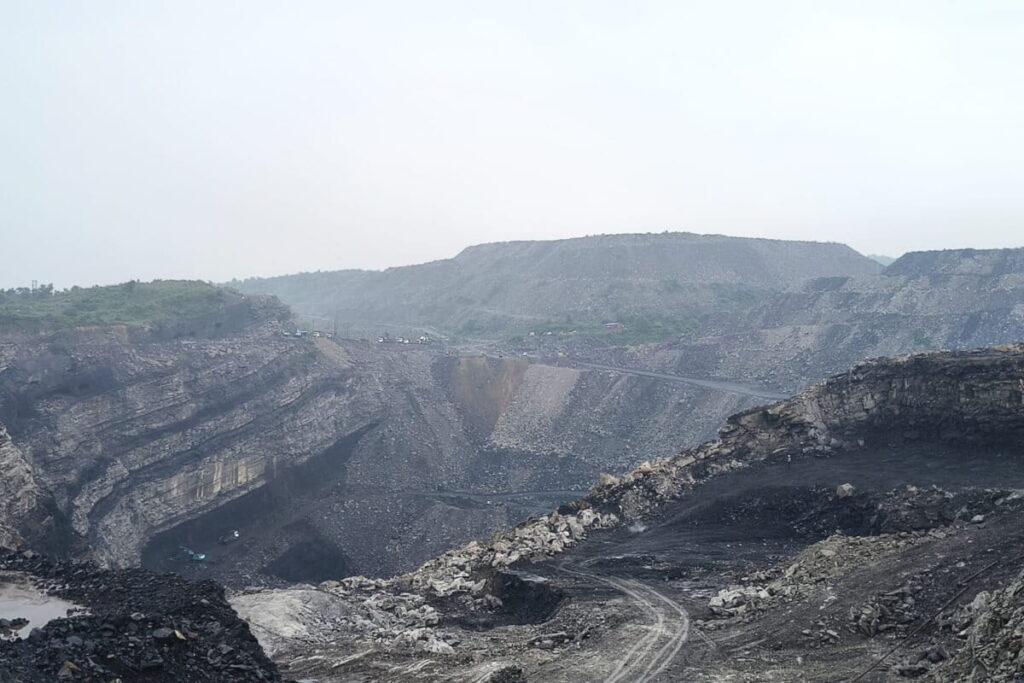
An active open-cast coal mine in Bokaro district, Jharkhand (Image by Kundan Pandey)
- India’s mine-closure framework has expanded in recent years, with new guidelines and initiatives focusing on scientific closure, ecological restoration, post-mining land use and community participation.
- Of the 147 coal mines identified for time-bound closure, 42 had been scientifically closed by the end of March.
- But residents and local stakeholders around the scientifically closed mines in Bokaro, Jharkhand, are unaware of any developments regarding these mines, abandoned long ago.
India has strengthened its rules for closing coal mines, with a growing focus on scientific closure, ecological restoration, post-mining land use and community participation. But on the ground in Bokaro, Jharkhand, residents say they know little about the official closure of mines in their area.
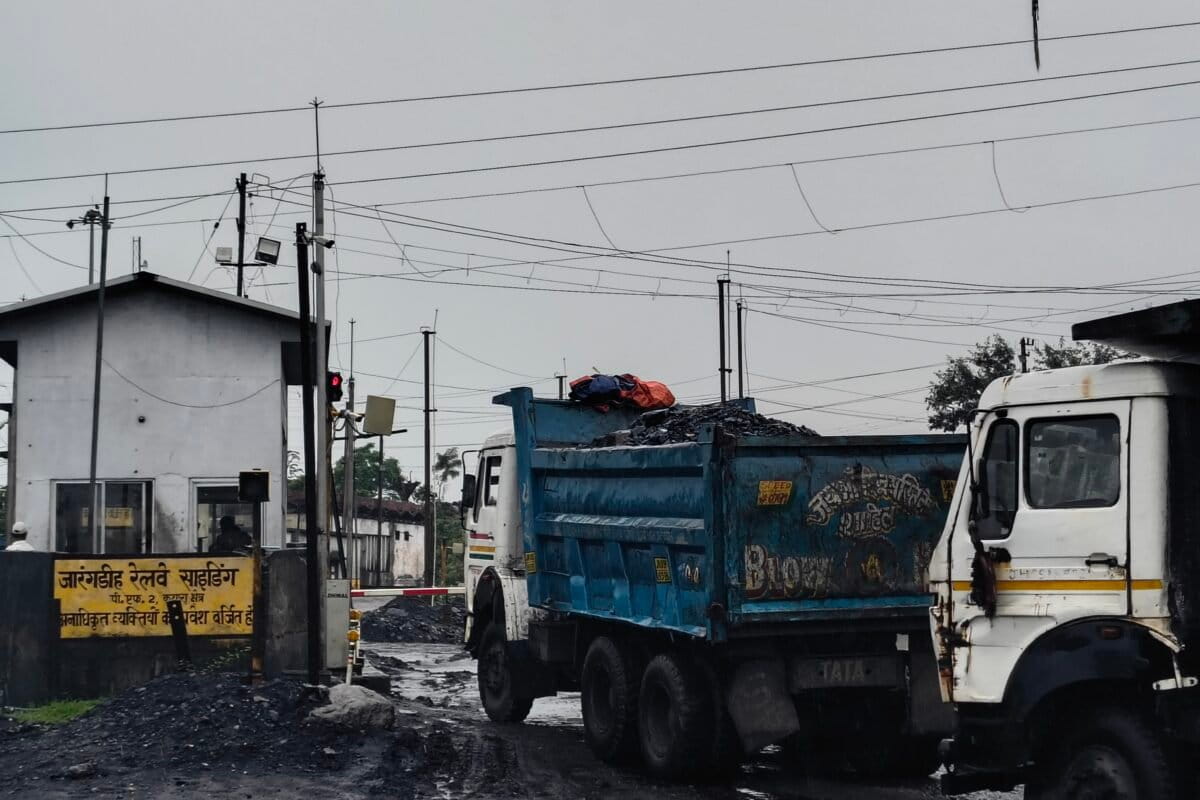
Of the 147 coal mines identified for time-bound closure, 42 had been scientifically closed by the end of March 2026, according to the Ministry of Coal’s first annual report on mine closure, Aaroh.
Yet at one such mine, the New Selected (NS) Dhori Underground Mine, signs of unresolved problems remain.
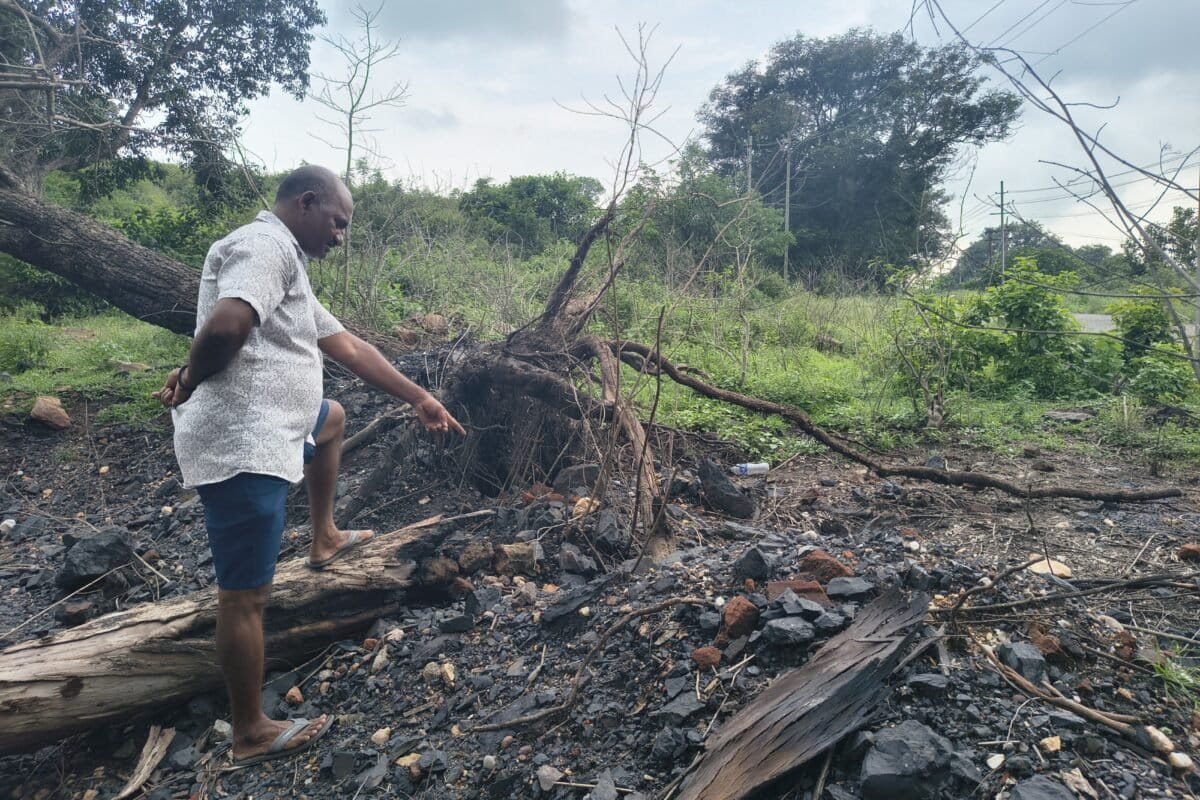
On July 24, barely 50 metres from the mine entrance, smoke was rising from the ground. Nearby trees were burnt and the area showed signs of recent work.
Mining at NS Dhori UG stopped around 15 years ago after about 1.8 million tonnes of coal had reportedly been extracted. However, it was formally listed as scientifically closed only on March 25, 2026.
Santosh Nonia, 35, who lives in nearby Makoli village, said smoke had been coming from the same spot for around three months. He described it as a foul-smelling gas that was followed by a major fire.
Senior officials visited the site and water was poured for three days to control the fire, he said. Villagers suggested digging up the area and filling it with sand, but their suggestion was not accepted.
“The smoke is still coming out. Very soon, it may become intense again,” Nonia said.
The incident came just two days after the release of Aaroh, which presents the government’s efforts to close and repurpose coal mines. It records activities such as sealing mine entrances, plantation, land restoration and environmental monitoring at NS Dhori and Jarangdih Underground Mine, another scientifically closed mine in Jharkhand.
But local residents say they have seen little evidence of these developments.
Sumant Singh, a former CCL employee who worked at NS Dhori, said he was unaware that the mine had been formally closed in 2026.
“When?” he asked when told about the official closure.
He said coal mining had stopped years ago, but people still extracted coal from the area. “Have you not seen the road that the vehicles still use?” he asked.
What does scientific closure mean for local people?
The government report says extensive restoration work has been carried out at Jarangdih, including plantation and landscaping. It records nearly three lakh saplings planted across 109 hectares and agroforestry activities on another 6.86 hectares. At NS Dhori, around 23,500 saplings were reportedly planted over 9.40 hectares of reclaimed land.
Local people, however, said they were unaware of these activities.
Residents of Karipani village laughed when asked about recent developments. They said they had not been approached for consultation. Budhan Singh, one of the villagers, said neither CCL nor other officials had discussed the closure process with them.
Ajay Singh, a local trade union leader, said workers and residents were also unaware of any recent developments. According to him, workers were transferred around 2017-18 and the mine was considered loss-making.
Environmental activist Gulab Chandra said he had not noticed any significant new activity at the mines.
The lack of consultation raises a larger question about what “scientific closure” should mean. Biswajit Paul, a professor at IIT (ISM) Dhanbad, said closure should involve much more than stopping mining operations.
Underground voids left after coal extraction must be identified and dealt with, including by filling them where necessary. But technology such as ground-penetrating radar may not be able to detect voids at greater depths.
Paul also argued that mine closure should be planned across an entire coalfield and connected to district-level development plans. Local communities should be asked what they need from the land after mining ends.
“There should also be a public hearing to understand what local people want,” he said.
Planning for life after coal
India produced about 1,047 million tonnes of coal in 2024-25 and remains the world’s second-largest coal producer. As the country faces pressure to reduce its dependence on coal, the question of what happens to mining communities after closure is becoming increasingly important.
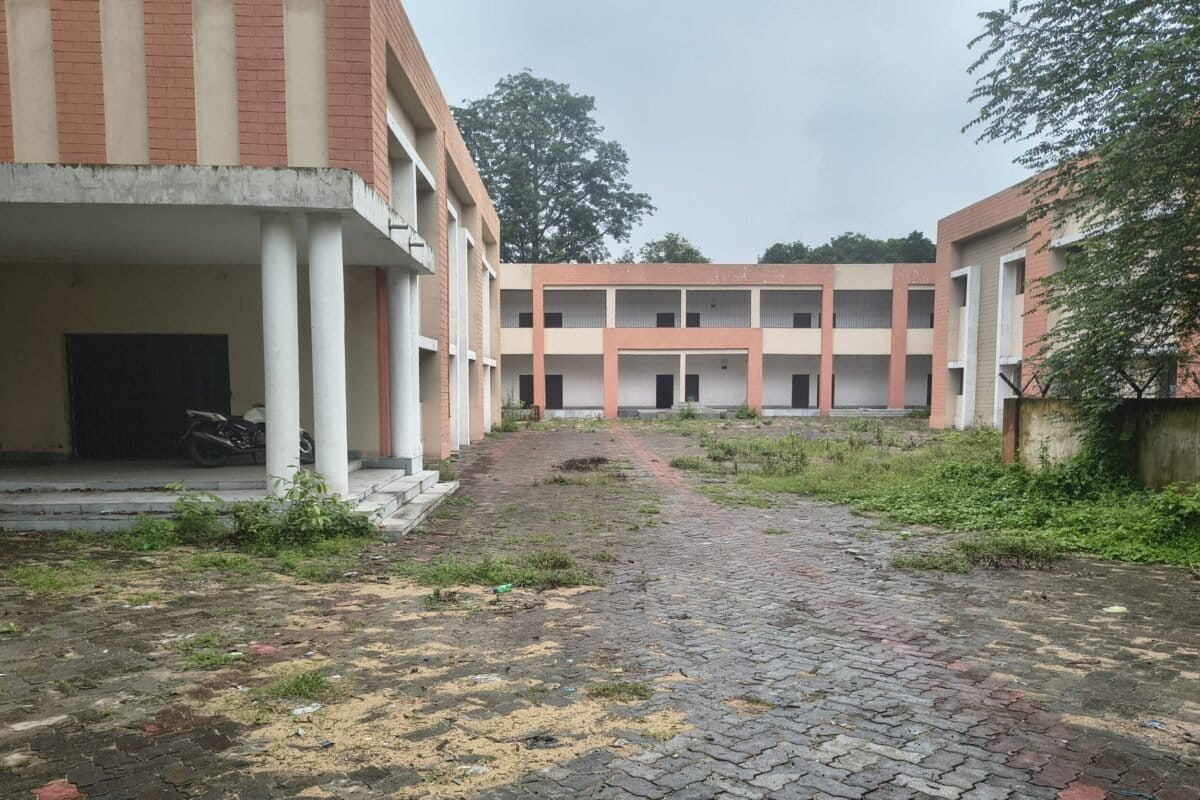
Mine closures can cause serious economic and social problems. A 2025 study noted limited evidence of environmental restoration in many areas affected by mine closures since 2008. In places including Jharkhand, Assam and Madhya Pradesh, closures have been linked to livelihood losses, illegal mining and economic hardship.
India’s mine-closure policy has developed considerably since the first formal guidelines were introduced in 2009. Rules were revised in 2013, 2019, 2020 and 2022. The 2025 guidelines expanded the focus further to include community development, livelihoods and post-mining land use.
Under the latest framework, at least 25% of the money set aside for mine closure must be used for community and livelihood activities, while 10% of the final closure cost is earmarked for Just Transformation.
But experts say policies alone are not enough.
“If there is a mine and there is a 10-kilometre buffer zone around it, then while closing the mine, the companies should visit the villages that are dependent on that coal mine,” Paul said.
He stressed that the impact of an underground mine can extend far beyond its lease area through falling water tables and pollution.
“You have to walk around the village to know about it from the people’s mouths,” he said.
For communities that have depended on coal for generations, the transition will also require new skills and livelihoods. Simply transferring formal employees may not be enough to protect others whose incomes depend indirectly on mining.
“We have to provide them with technical skills,” Paul said.
His larger point is that mine closure cannot be treated as a one-time administrative exercise.
“So, closure is not a one-day affair. It has to continue even five or ten years after the mine has been closed. The mine was running for the last 100 years, how can you stop it in one day?”