‘Deeper Nefarious Purpose Behind Census 2027 Caste Data Method’
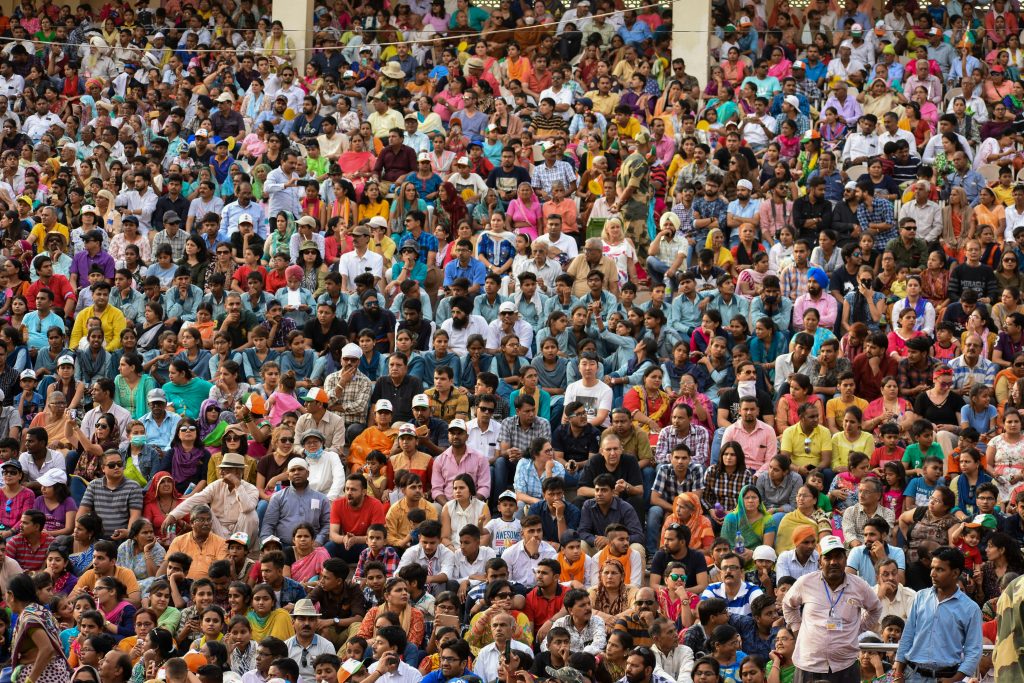
Census 2027 questionnaire includes several detailed questions about religion, date of birth and place of birth of a person’s parents. Such questions have not been part of earlier censuses (Photo by Neelakshi Singh)
The Congress has stepped up its criticism of the Centre over the way caste data will be collected in Census 2027, alleging that the process has been “deliberately flawed” and suggesting that there could be a “deeper nefarious purpose” behind the questions being asked.
Congress general secretary in charge of communications Jairam Ramesh said the Census 2027 questionnaire includes several detailed questions about religion, date of birth and place of birth of a person’s parents. He claimed that such questions have not been part of earlier censuses.
Ramesh shared a media report on X that said the census would ask respondents about the religion, date of birth and place of birth of both their father and mother. The report said the place of birth could be recorded up to the village level.
According to the report, people answering the caste question would also have several choices. They could enter their caste in an open field, choose “does not want to declare caste” or select “no caste”.
Questioning the need for these details, Ramesh said: “The methodology of asking Qs on caste in Census 2027 is deliberately flawed. The micro Qs on religion, date of birth, place of birth of parents have never been asked before.”
He further alleged: “The census is confidential. Clearly, Census 27 has a deeper nefarious purpose.”
The Congress had raised similar concerns a day earlier, accusing the Modi government of trying to weaken the caste census. The party particularly questioned why the Census 2027 questionnaire does not appear to have a standardised drop-down menu for selecting castes.
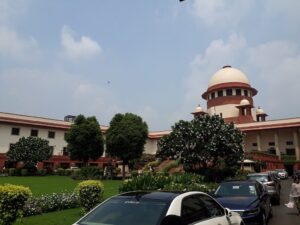
The Opposition has linked its criticism to an affidavit the Centre filed in the Supreme Court in September 2021. In that affidavit, the government had opposed a plea seeking a caste census. However, Ramesh has drawn attention to paragraph 12(d), which discussed the difficulties in collecting caste data.
According to Ramesh, the government had said that there was no registry of castes before the 2011 Census and had acknowledged that creating a caste registry with a drop-down menu would have been “ideal” for producing consistent and reliable data.
Ramesh is now asking why the same approach has not been used in Census 2027.
The Congress has also accused Prime Minister Narendra Modi of making a “complete U-turn” on the caste census. Modi announced in April 2025 that caste enumeration would be included in the census. Since then, the Congress has argued that the government is now taking another step back from that position.
Ramesh described this as a “U-turn on his earlier U-turn”.
At the heart of the dispute is not simply whether caste will be counted, but how the information will be collected and classified. The Census 2027 exercise is expected to produce a large amount of demographic data. For such data to be useful, the Congress argues, the method of collecting caste information must be clear and standardised.
The absence of a fixed list or drop-down system is particularly important in this context. Different people may use different names or spellings for the same caste, while some communities may have multiple names. The Congress believes that allowing people to enter caste information freely could make the final data less consistent.
Ramesh is therefore asking the Centre to explain why it has not adopted the mechanism it itself described as “ideal” in its 2021 Supreme Court affidavit.
The controversy adds to the wider political debate over caste enumeration in India. While the government prepares for Census 2027, the Opposition is increasingly focusing on the details of the exercise, arguing that the credibility of the final caste data will depend heavily on the questions asked and the way responses are recorded.
For the Congress, the central issue is simple: if the government wants reliable caste data, it must explain how the information will be collected, classified and verified. The party is now demanding clarity on why the Census 2027 methodology differs from the approach the Centre itself had discussed before the Supreme Court in 2021.