Dangers Of Poor Housing In Remote, Off-Grid Communities
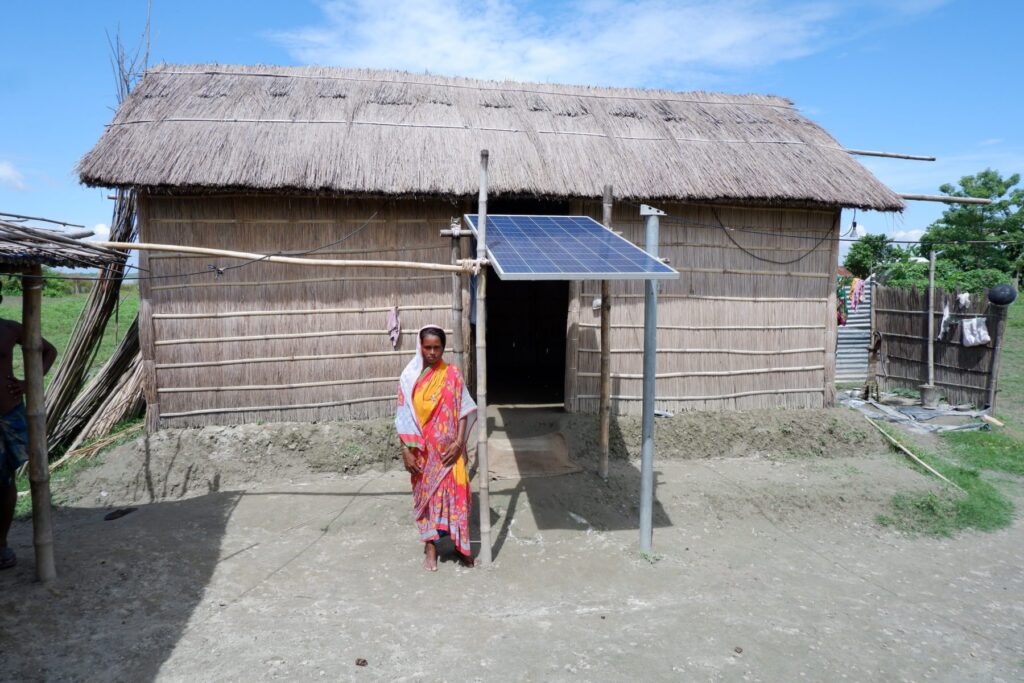
Residents in remote areas struggle with access to clean and reliable energy, despite being in areas with abundant sunshine ripe for solar power generation (Image: Chandrani Sinha)
At first glance, remote communities in Outback Australia and villages in India don’t have much in common. Look closer, however, and there are striking similarities.
As we get closer to global warming above two degrees, many off-grid, rural and remote communities in these two regions – separated by thousands of kilometres – have much in common.
The residents struggle with access to clean and reliable energy, despite being in areas with abundant sunshine ripe for solar power generation.
Making the switch from the commonly used diesel power generators or solid fuels in these communities has become an urgent priority from a health, environmental, social and economic perspective.
Diesel is costly, difficult and dangerous to transport, and contributes to greenhouse gas emissions and air pollution. In Australia, access to diesel power is also often dependent on government subsidies for remote communities which have high populations of Indigenous people. First Nations people in Australia already suffer extreme social and health inequities, and need self-determination in the clean energy transition rather than policies which only further harm their health and that of the planet.
Before the onset of climate change, Indigenous communities across the world have successfully survived in harsh landscapes for thousands of years, drawing upon specialised environmental knowledge, agricultural and farming practices and myriad other skills for coping with weather extremes and scarce resources.
In Australia, Aboriginal and Torres Strait Islander people have survived and flourished, using their knowledge, traditional environmental practices and Connection to Country to access water, food, and shelter from weather extremes. In India, farmers have traditionally made shifts in planting and harvesting schedules and adopted climate tolerant crop varieties in response to changes in temperature and rainfall patterns.
With the world expected to experience at least two degrees of warming, many rural and remote communities are now at significant risk. Heatwaves are intensifying, becoming more frequent, more prolonged and more severe. But housing in these areas is often inadequate to protect people.
Heatwaves are among the most dangerous natural hazards for human health, but the full extent of their impact can be hard to estimate and can depend on the severity of the heatwave, availability of climate-resilient housing, and the resilience and preparedness of health services and populations.
People living in Australia and India’s tropical and sub-tropical areas are particularly vulnerable to the impacts of extreme heat, which can be amplified by high humidity in certain regions. Health impacts can include exhaustion and heat stroke, dehydration, increased risk of stroke, exacerbation of existing health conditions such as diabetes, kidney and heart disease, and death.
Research has shown that in Australia, over 36,000 deaths associated with heat occurred between 2006 and 2017 (around 2 per cent of total deaths in the country for that period).
There are specific problems with home construction which increases the vulnerability of communities during heatwaves; such as poor orientation, a lack of insulation, little shading, and a lack of active cooling systems such as fans and air conditioning.
In Australia for example, construction of Aboriginal housing in remote regions has been plagued by design that is unsuitable for specific climate zones and the cultural requirements of the residents. They are usually built from cheap, substandard materials and there is inconsistent maintenance.
In combination with poor energy security prevalent in remote Aboriginal communities, substandard housing reduces people’s ability to control indoor temperatures, and can lead to poor sleep, cardiovascular and respiratory illness, and poor mental health. In rural India, rural houses appear to be inadequate for protecting people from heat stress. For example, poorer houses with tin roofs have higher indoor temperatures compared to cement-roofed houses.
Lack of affordable, secure and appropriate housing can further compound the social injustices and inequities experienced by many rural and remote people. The combined issues of a lack of affordable, reliable, clean energy and poor housing construction bring many risks to the health and wellbeing of marginalised remote and rural communities in Australia and India, while also compounding extreme social and economic inequities.
A recent report by the Australian Council of Social Service found that Australians on the lowest incomes experienced the worst and most enduring impacts from heatwaves, with a lack of access to energy efficient homes a key factor. The report recommended governments invest to improve the energy efficiency of low income, public and community housing, and switch to solar or other forms of renewable energy.
However, some experts argue retrofitting existing housing and building new housing in line with current building standards will not meet the infrastructure challenges brought on by climate change. Instead, construction policies and practices need to be updated. This may include improved insulation, ventilation and shading, as well as controlling emissions from cooking and other domestic activities.
While there are clear challenges for the provision of safe and healthy housing in a plus-2 degree world, transitioning to renewable energy remains an urgent priority for Indigenous and other remote and rural communities worldwide. To help address this need, a research team within the HEAL Network involving collaborators in Australia and India are working to enhance understanding of the challenges to implementing renewable energy solutions in remote and rural communities in the two countries.
The project, Clean Energy for Healthy Environments and Lives (CE4HEAL), is concerned not just with the technological, logistical and economic barriers to transitioning to renewable energy, but the social and cultural dimensions of energy use among Indigenous, and other rural and remote communities.
The project aims to support Indigenous leadership that can drive better policy and energy service provision in their communities. It places Indigenous community members’ knowledge, experiences, cultural traditions and needs at its centre. This approach helps to ensure these communities have greater self-determination in their response to climate change, which has been brought on by forces outside of their control, yet often causes them to pay the highest price in relation to health, social, cultural, environmental and economic impacts.