India’s Waste-Climate Opportunity Begins Before Disposal
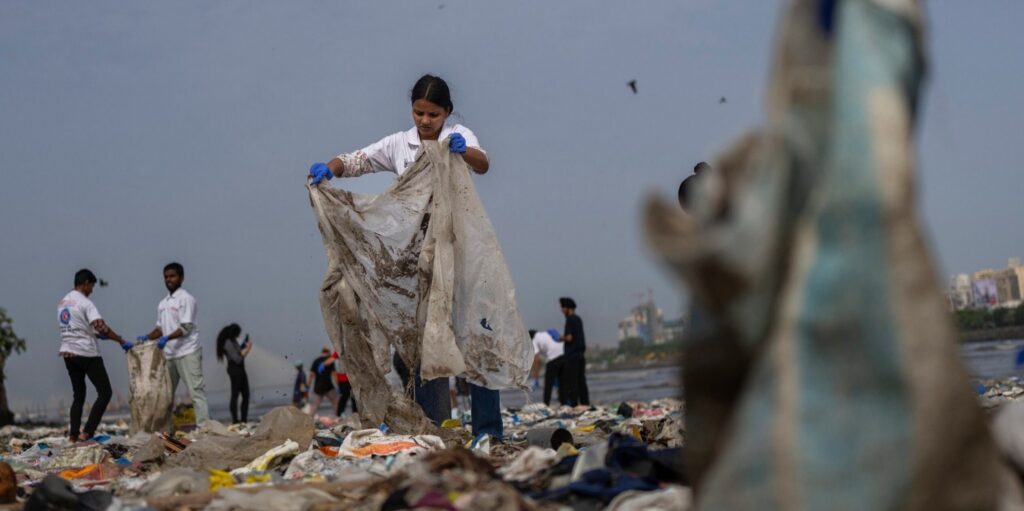
Volunteers clean up plastic and other waste materials on a beach in Mumbai (AP Photo/Rafiq Maqbool)
- India does not need to wait for a new generation of climate technologies to begin reducing emissions from waste.
- A major part of the solution is from existing actions such as segregating waste at source and processing wet waste.
- Climate-aligned waste contracts should link payments not only to collection and processing, but also to source segregation, organic waste diversion, compost or biogas use, and reduction of fresh mixed waste disposal.
Waste is often seen as a local service issue. It is collected by municipalities, handled by sanitation workers, discussed in ward meetings, and noticed most visibly when drains clog, bins overflow, or dumpsites catch fire. Yet this everyday urban challenge is also a climate challenge. For India, the waste sector offers one of the most practical city level pathways for climate compatible development.
Globally, solid waste management contributes around 5% of greenhouse gas emissions. In India, the waste sector accounted for 75.64 million tonnes of carbon dioxide equivalent in 2020, or 2.56% of the country’s total emissions. This may appear modest when compared with energy, industry, or transport, but the direction of travel matters. India’s waste sector emissions have increased more than three times between 1994 and 2020. As cities grow, consumption rises, municipal solid waste volumes expand, this share will become harder to ignore.
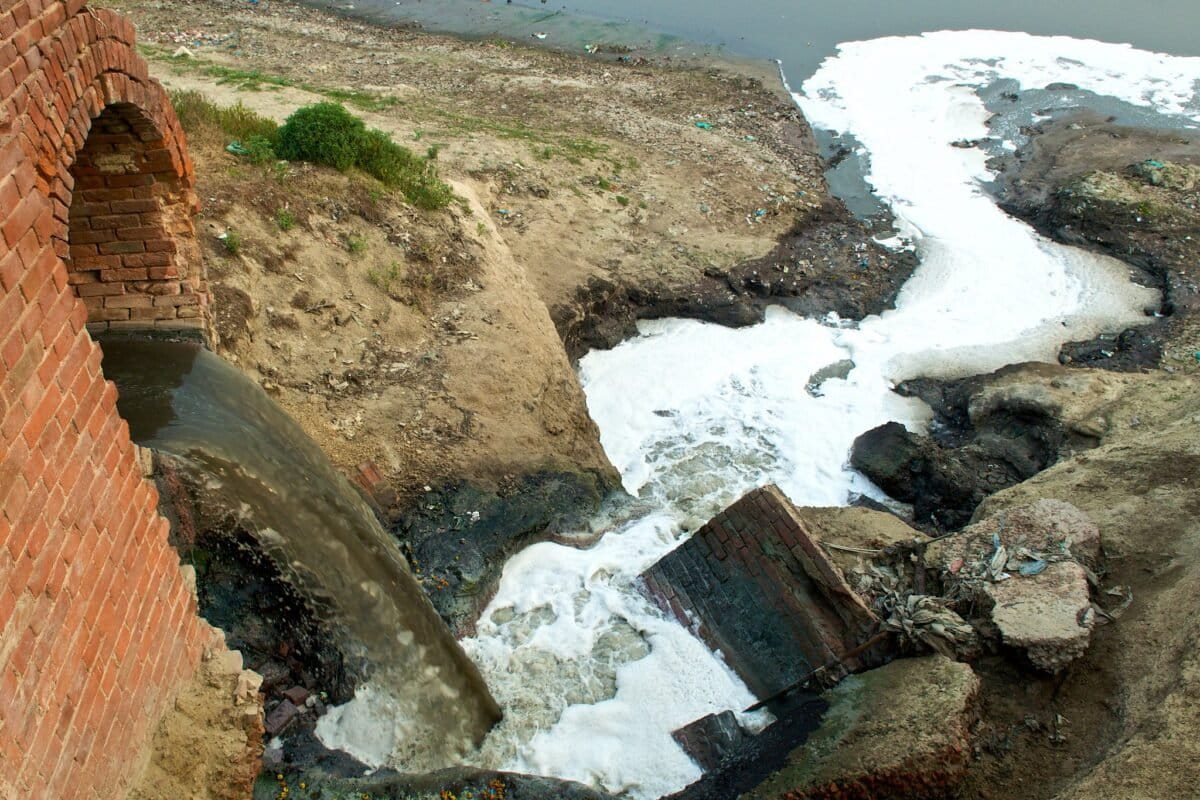
The climate relevance of waste lies in how everyday sanitation and waste-management systems influence greenhouse gas emissions. Methane is central to this connection. It has a much stronger warming effect than carbon dioxide in the near term and has about 28 times the warming potential of carbon dioxide over a 100-year period. Because methane is also shorter-lived in the atmosphere than carbon dioxide, reducing methane emissions can deliver relatively fast climate benefits. In India’s waste sector, methane is the dominant greenhouse gas, accounting for more than 75% of the waste sector’s emissions in 2020. NITI Aayog’s assessment suggests that solid waste management contributed around 26% of India’s waste-sector emissions, over 19 million tonnes of carbon dioxide equivalent in 2020. These figures show why waste and sanitation should be seen not only as urban-service priorities, but also as practical entry points for climate-compatible development.
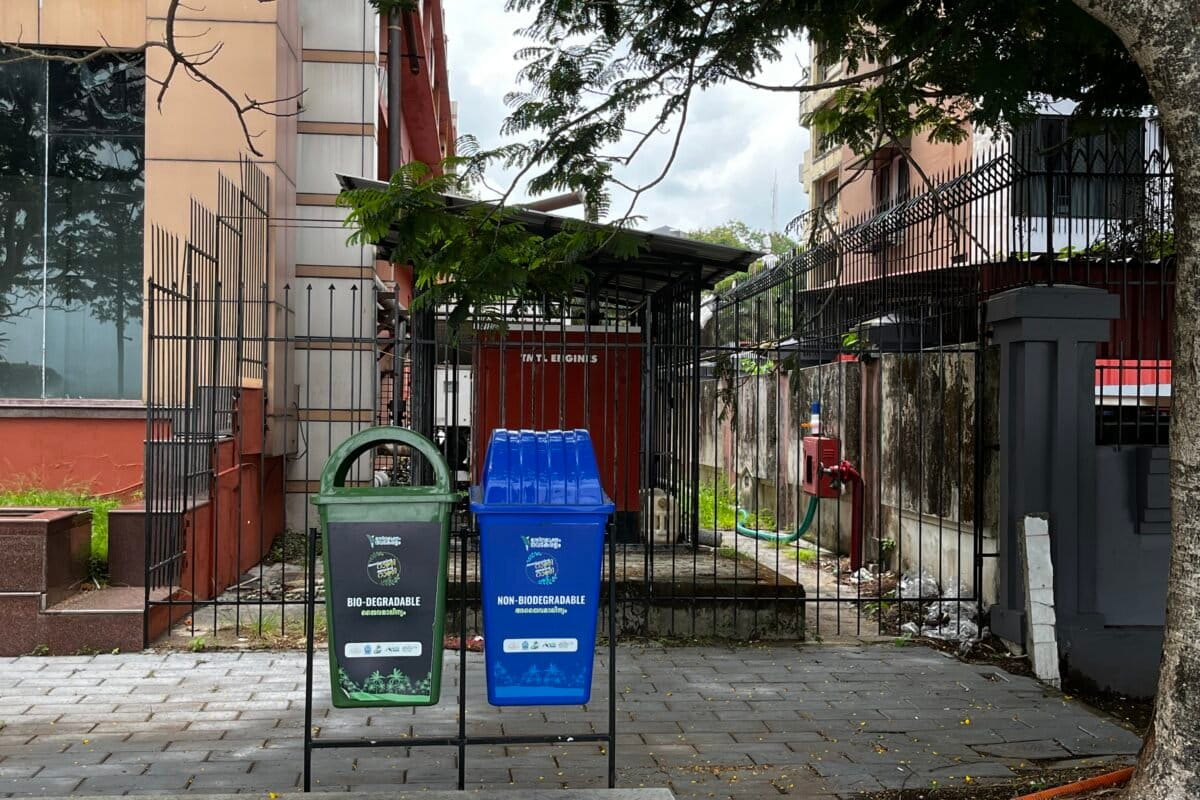
The largest opportunity, however, does not begin at the dumpsite. It begins much earlier, in the household, market, institution, hotel, bulk waste generator premises, and ward collection system. When wet waste is mixed with dry waste, transported long distances, and dumped in open sites, it decomposes in oxygen poor conditions and releases methane. Once mixed waste reaches a dumpsite, the system is already trying to manage a problem that could have been prevented upstream.
For Indian cities, this means source segregation is not only a sanitation measure. It is a methane mitigation strategy. Wet waste processing is not only a municipal service. It is climate action. Composting, biomethanation, decentralised processing, material recovery, and improved wastewater treatment are not futuristic technologies waiting to be discovered. They are known solutions waiting to be deployed with discipline, finance, and accountability.
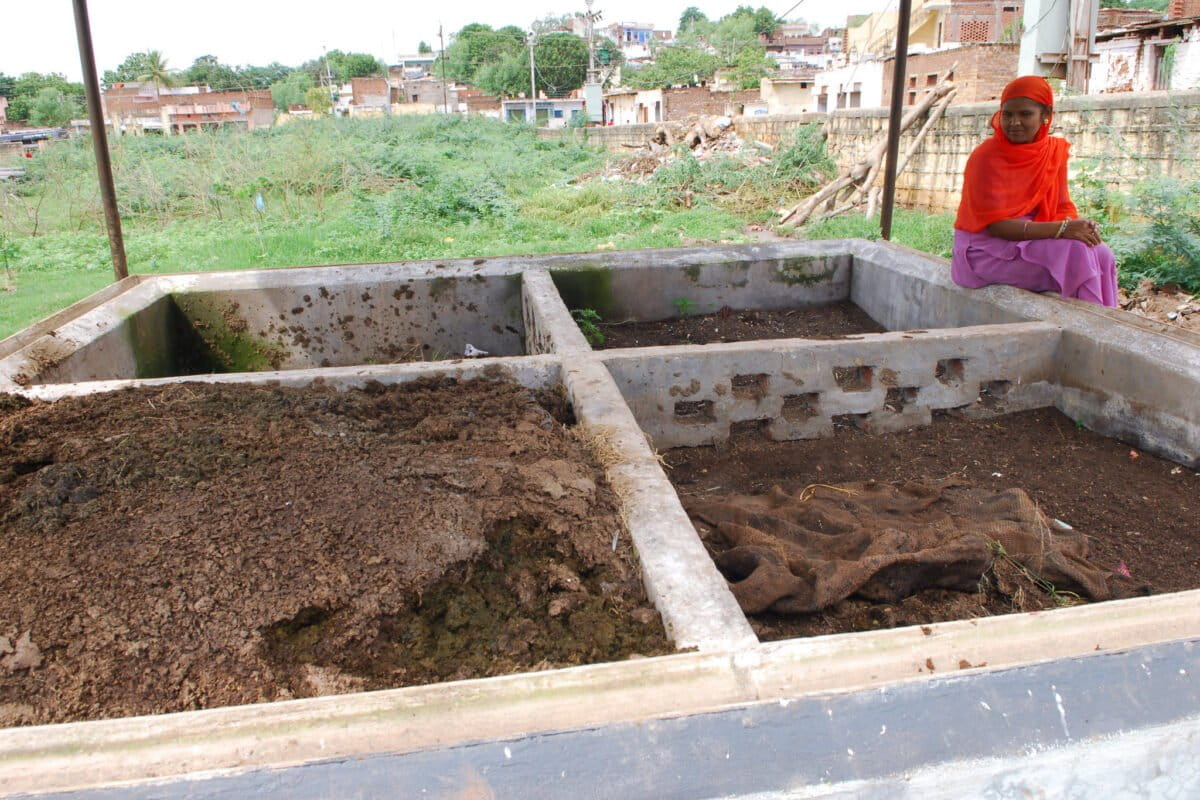
India does not need to wait for a new generation of climate technologies to begin reducing emissions from waste. A major part of the solution is already known: segregate waste at source, keep organic waste out of dumpsites, recover materials before they are contaminated, process wet waste through composting or biomethanation, and remediate legacy dumpsites in ways that prevent fresh waste from recreating the same problem.
The policy framework is also moving in this direction. The Solid Waste Management Rules, 2016 placed responsibility on waste generators, local bodies and bulk waste generators to segregate waste and process biodegradable waste through composting or biomethanation as far as possible. The Solid Waste Management Rules, 2026 strengthen this further through Extended Bulk Waste Generator Responsibility. This is significant because bulk waste generators are estimated to contribute nearly 30 to 40% of daily waste in cities. If large residential complexes, hotels, markets, institutions and commercial establishments manage wet waste in situ, or ensure its separate collection and processing, they can substantially reduce the organic load entering municipal systems and dumpsites. In climate terms, this is where methane prevention begins.
This matters because India’s waste challenge is not only about building more processing capacity. It is about ensuring that the right kind of waste reaches the right kind of facility. A composting plant cannot function well if it receives mixed waste. A biomethanation plant cannot deliver reliable gas output if the feedstock is contaminated. A material recovery facility cannot extract full value if recyclables are soaked in food waste. A landfill remediation project cannot be sustained if fresh mixed waste continues to arrive every day.
The challenge is not that cities do not know what needs to be done. The challenge is that these basic systems are difficult to implement at scale. Segregation requires daily behaviour change, reliable collection routes, trained workers, separate transport, processing capacity, and enforcement that is fair and consistent. Composting requires markets for compost, quality assurance, and confidence among farmers and users. Biomethanation requires assured feedstock quality, technical maintenance, offtake arrangements for gas or electricity, and viable business models.
There are examples that show what is possible when cities focus on systems, not isolated projects. Indore’s relevance lies not only in cleanliness rankings, but in the operational chain behind them: source segregation, door to door collection, route monitoring, processing, treatment and legacy waste management. The lesson is not that every city should copy Indore, but that climate outcomes from waste depend on the reliability of the full chain. If segregation, collection, processing or enforcement breaks down, the methane mitigation value weakens.
Alappuzha offers a second lesson through decentralised waste management. By emphasising segregation at source and local processing, the city has shown how organic waste can be managed closer to where it is generated, reducing dependence on landfill-based disposal. For Indian cities, where wet waste forms a large share of municipal solid waste, such decentralised systems can reduce transport costs, contamination and the organic load reaching dumpsites.
Ambikapur adds a third lesson: waste systems are not only technical systems, but social systems. Its experience with women’s self-help groups in collection and resource management shows that segregation and processing depend on people, not infrastructure alone. A climate aligned waste system must therefore invest in workers, community participation and day to day operational discipline.
States have also taken steps to demonstrate more integrated and institutionalised approaches to waste management. Tamil Nadu’s Thooimai Mission points to the value of a state level mission approach, bringing together resource recovery, empanelment of waste and recycling partners, data systems, monitoring, and partnerships across urban and rural areas. Similarly, Goa’s Waste Management Corporation (GWMC) shows how a dedicated state level SPV can support more coordinated planning and implementation of waste management systems. This structured approach is important because it enables city level action while aligning state systems to support ULBs with planning, technical capacity, monitoring and partnerships.
Together, these city and state level examples point to a larger policy issue. Waste management should not be assessed only by infrastructure created or tonnes processed. For methane mitigation, cities and states must also track whether organic waste is being separated, whether wet waste systems are functioning, whether compost or biogas is being used, and whether fresh mixed waste is still reaching dumpsites.
The way cities pay for waste services also matters. Many municipal solid waste PPP contracts use a tipping fee model, where the concessionaire is paid for the quantum of waste handled. This can support service delivery, but if poorly designed, it may reward tonnes moved rather than tonnes avoided, segregated or diverted. A contract that pays the same for mixed waste and segregated waste weakens the incentive to reduce the wet waste load reaching dumpsites. Climate aligned waste contracts should therefore link payments not only to collection and processing, but also to source segregation, organic waste diversion, compost or biogas use, and reduction of fresh mixed waste disposal.
This also calls for a more careful approach to climate finance. Waste sector finance should not be limited to large end of pipe projects. It should support the systems that prevent methane generation in the first place. This includes ward level segregation infrastructure, decentralized wet waste processing, biomethanation plants of appropriate scale, compost quality systems, market development for compost, landfill gas capture where technically relevant, scientific remediation of legacy dumpsites, improved wastewater systems, and municipal capacity.
Financing must also recognise that many waste interventions create public value but weak direct revenue. Cleaner neighbourhoods, fewer dumpsite fires, reduced disease risks, improved working conditions, lower methane emissions and better material recovery are real benefits, but they do not always translate into predictable cash flows. This is why derisking is essential. Cities need clearer contracts, reliable payment mechanisms, transparent performance indicators and support for compost and biogas markets. Private participation will be stronger when waste composition is predictable, segregation is enforced, payments are timely and offtake arrangements are clear.
There is also a need to avoid a narrow technology first approach. Waste to energy, landfill gas capture and large centralised infrastructure may have a role in specific contexts, depending on waste composition, segregation quality and environmental safeguards. But they should not crowd out upstream solutions. If mixed waste continues to be generated at scale, cities will remain locked into expensive downstream management. The priority should be to reduce the organic load reaching dumpsites and landfills, improve material recovery, and build systems that are easier to operate over time.
The next phase of India’s waste management transition should therefore move from infrastructure creation to performance, accountability, and climate alignment. It should ask not only whether waste is collected, but whether it is segregated. Not only whether a processing plant exists, but whether it receives the right feedstock and operates consistently. Not only whether legacy waste is being cleared, but whether fresh organic waste is being prevented from entering dumpsites.
India’s waste and climate opportunity is practical, local, and immediate. It starts before the landfill, before methane is produced, and before mixed waste becomes expensive to manage. If cities can keep organics out of dumpsites, and make proven technologies work at scale, waste management can become one of India’s most visible climate co benefit stories. It may not be the largest emissions sector, but it is one of the sectors where climate action can be felt most directly by citizens.
(Published under Creative Commons from Mongabay-India)