Airlines In India Sound Alarm Over Fuel Costs, Seek Urgent Govt Relief
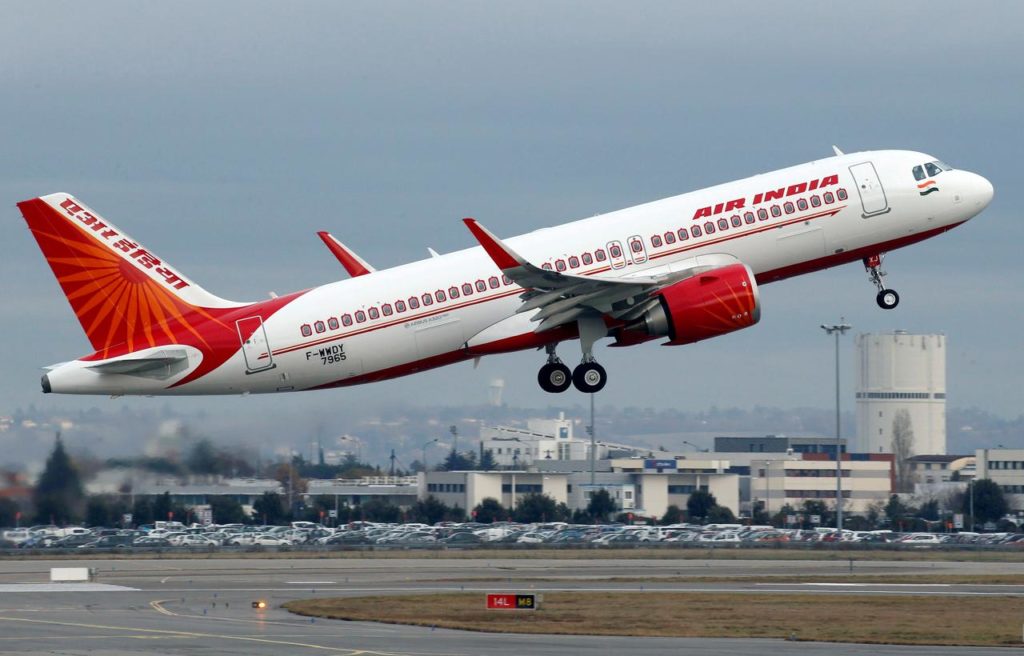
FILE PHOTO: The Federation of Indian Airlines has said the industry is under “extreme stress” and may be forced to scale down operations without immediate government intervention, amid the West Asia crisis (Representational Image)
India’s leading airlines — Air India, IndiGo and SpiceJet — have issued a stark warning about a deepening financial crisis in the aviation sector, driven by soaring jet fuel prices and ongoing geopolitical disruptions. In a joint appeal to the Ministry of Civil Aviation, the Federation of Indian Airlines (FIA), representing the three carriers, said the industry is under “extreme stress” and may be forced to scale down operations without immediate government intervention.
The letter, dated April 26, paints a troubling picture of an industry struggling to cope with rapidly rising operational costs and shrinking margins. “The airline industry in India is under extreme stress and is on the verge of closing down or of stopping its operations,” the federation said, underscoring the urgency of the situation.
Airlines warned that without timely relief measures, they could be compelled to ground aircraft and cancel flights, which would have widespread implications for connectivity, trade, and passenger mobility. “Any ad hoc pricing (domestic vs international) and/or irrational increase in the price of ATF will result in unsurmountable losses for airlines and will lead to grounding of aircraft, resulting in cancellation of flights,” the FIA stated.
The crisis has been exacerbated by a combination of factors, including a surge in crude oil prices, depreciation of the Indian rupee, and longer international flight routes caused by airspace restrictions linked to the ongoing conflict in West Asia. Together, these challenges have significantly increased the cost of running airline operations.
Fuel Costs and Route Disruptions Push Operations to the Brink
Aviation turbine fuel (ATF) has emerged as the single largest cost component for airlines, now accounting for nearly 40 per cent of their total operating expenses. The FIA highlighted that the sharp rise in fuel prices has severely strained the financial viability of both domestic and international operations.
“Jet fuel prices have grown considerably and differential between crude and ATF is challenging the operation of airlines in totality,” the federation said. The increase in global crude oil prices — partly driven by tensions surrounding the Iran conflict — has directly impacted ATF rates, pushing them to levels that airlines say are unsustainable.
Compounding the problem are restrictions on key international airspace corridors, which have forced airlines to take longer, more circuitous routes. These diversions not only increase flight duration but also lead to significantly higher fuel consumption.
“As a result of restricted airspace, airlines are being forced to operate longer routes, leading to higher fuel burn and increased operational costs,” an industry official explained. “This has made international operations particularly challenging.”
The federation described international services as “completely unviable” under current conditions, while noting that domestic routes are also facing mounting financial pressure. The imbalance between rising costs and limited fare flexibility is putting airline networks at risk.
Adding to the strain is the disparity in fuel pricing. The FIA pointed out that while the government capped the increase in domestic ATF prices at Rs 15 per litre last month, prices for international operations rose sharply by Rs 73 per litre. This uneven pricing structure has further complicated cost management for airlines operating across both segments.
“The current pricing environment is creating an unsustainable situation for airlines, particularly those with significant international exposure,” the federation noted.
Industry Urges Tax Relief and Immediate Government Support
In response to the escalating crisis, the FIA has called for urgent fiscal intervention, including the temporary suspension of the 11 per cent excise duty on aviation turbine fuel. The federation argued that the tax burden has increased disproportionately due to rising fuel prices and currency depreciation.
“With the abnormal increase in ATF prices from the pre-crisis period, adding rupee depreciation to the increased prices, the 11 per cent excise duty also increases manifold for the airlines,” the letter stated. Airlines believe that reducing this tax burden could provide immediate relief and help stabilize operations.
The federation also raised concerns about high state-level value-added tax (VAT) on jet fuel, which varies significantly across regions and adds to cost pressures. Delhi, for instance, imposes a VAT of 25 per cent on ATF, while Tamil Nadu charges as much as 29 per cent. Other major aviation hubs such as Mumbai, Bengaluru, Hyderabad, and Kolkata levy VAT rates ranging from 16 to 20 per cent.
“These high and inconsistent VAT rates across states are adding to the financial strain on airlines and impacting overall cost efficiency,” an industry representative said.
The airlines have urged the government to provide “immediate and meaningful financial support” to help the sector navigate the current crisis. Without such intervention, they warn that the consequences could include reduced connectivity, job losses, and broader economic disruption.
The challenges facing Indian carriers are part of a larger global trend. The aviation industry worldwide has been grappling with rising energy costs, particularly following disruptions in the Strait of Hormuz — a critical route for global oil supplies. However, Indian airlines are uniquely exposed due to their extensive networks across West Asia, Europe, and North America.
“The combination of rising fuel costs and geopolitical disruptions has created a perfect storm for the aviation sector,” the FIA said. “Indian carriers, given their operational footprint, are among the hardest hit.”
As the situation continues to evolve, the industry’s appeal highlights the need for coordinated policy action to ensure the sustainability of airline operations. Without swift measures, what is currently a financial strain could escalate into a full-blown crisis for one of the country’s most vital sectors.
“The need of the hour is immediate intervention,” the federation emphasized. “Without it, the viability of airline operations in India could be seriously compromised.”