Scorcher! 95 Out Of The World’s 100 Hottest Cities Are In India
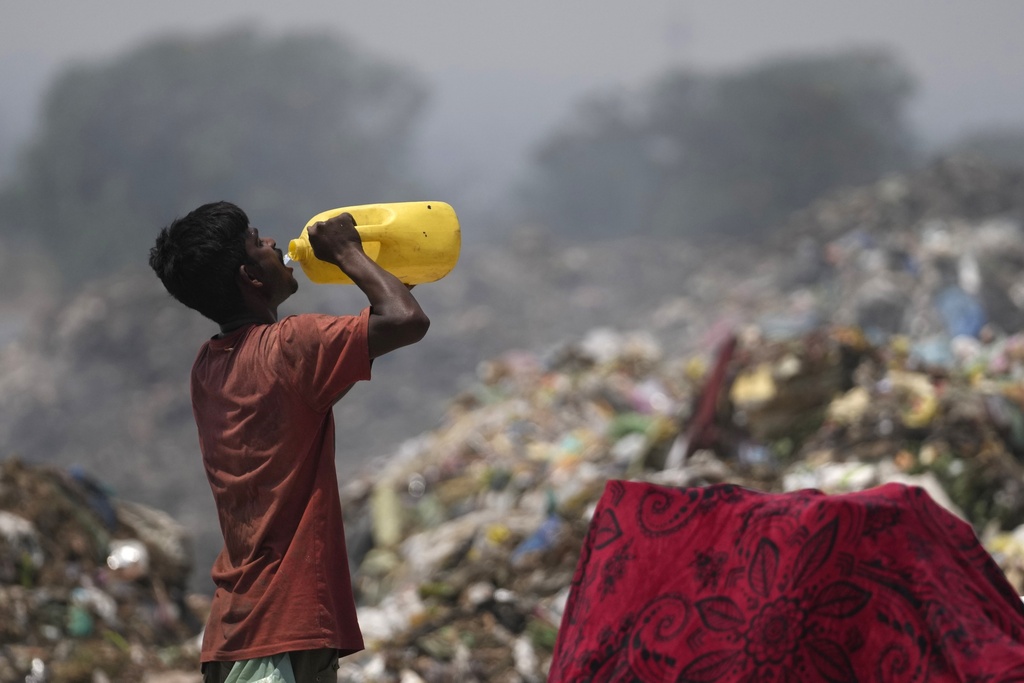
FILE PHOTO: A waste picker drinks water while working during a heat wave at a garbage dump on the outskirts of Jammu (AP Photo/Channi Anand)
India has emerged as the epicentre of an intense global heat surge, with a staggering 95 of the world’s 100 hottest cities currently located within its borders. Real-time temperature rankings compiled by AQI.in at 5:00 pm on April 24 reveal the sheer scale of the crisis, as vast swathes of the country continue to endure dangerously high temperatures.
Across central India and the Indo-Gangetic plains, thermometers have soared past 40°C in dozens of cities, with some areas inching close to the alarming 45°C mark. States such as Maharashtra, Telangana, Madhya Pradesh, Uttar Pradesh, and Odisha dominate the global top 100 list, highlighting how widespread and severe the heatwave has become.
“This is not a localized phenomenon,” one weather analyst noted. “What we are witnessing is a simultaneous spike in temperatures across multiple regions, which is why such a large number of Indian cities are appearing in global extreme heat rankings at the same time.”
Unlike isolated heat events of the past, the current situation reflects a broader and more synchronized climatic pattern. The result is an unprecedented clustering of extreme temperatures, placing millions at risk and straining infrastructure across urban and rural areas alike.
Meteorological Drivers Behind the Extreme Heat
Experts point to a combination of meteorological factors driving the surge. Persistent dry winds, cloudless skies, and a noticeable delay in pre-monsoon activity have created the perfect conditions for heat to intensify.
“The absence of cloud cover allows solar radiation to directly heat the land surface throughout the day,” explained a meteorologist. “At the same time, dry winds prevent any moisture buildup that could otherwise moderate temperatures.”
Adding to the challenge are unusually warm nights, which offer little relief after scorching days. “When nighttime temperatures remain elevated, the body doesn’t get a chance to recover from daytime heat stress,” an environmental health expert said. “This significantly increases the overall impact on human health.”
The India Meteorological Department (IMD) has already issued heatwave warnings for several regions, cautioning that high temperatures are likely to persist in the coming days. “We expect these conditions to continue in the near term,” an IMD official stated. “There may be minor fluctuations, but a significant drop in temperatures is unlikely without stronger weather systems.”
This combination of persistent heat and limited nighttime cooling is intensifying the cumulative effects of the heatwave, making it particularly dangerous compared to short-lived spikes in temperature.
Health Risks, Urban Pressures, and Limited Relief
The prolonged nature of the heatwave is raising serious concerns about public health, especially among vulnerable populations. The elderly, children, and those who work outdoors face the highest risk of heat-related illnesses such as dehydration, heat exhaustion, and heatstroke.
“Extended exposure to extreme heat can be life-threatening,” warned a public health specialist. “We are especially concerned about people who lack access to adequate cooling, hydration, or shelter.”
Urban areas are experiencing additional stress due to the “urban heat island” effect, where concrete structures, reduced green cover, and dense infrastructure trap heat and push temperatures even higher than surrounding rural areas.
“Cities are heating up faster and retaining that heat longer,” said an urban climate researcher. “Factors like shrinking green spaces and increased construction are amplifying the severity of heatwaves.”
While there is some hope for temporary relief, it remains limited and region-specific. Weather forecasts indicate the possibility of thunderstorms and gusty winds in parts of eastern and northeastern India, which could bring short-term cooling.
“These systems may provide brief respite,” a meteorologist explained, “but they are unlikely to significantly alter the overall temperature trend across the country.”
A more sustained drop in temperatures is expected only with the arrival of stronger pre-monsoon systems or the advancement of the monsoon itself. Until then, most regions will continue to grapple with intense heat.
The ongoing heatwave also underscores a broader and more concerning trend. Scientists increasingly link such extreme weather events to long-term climate change and rising baseline temperatures.
“What we are seeing is consistent with global patterns of warming,” a climate scientist observed. “Heatwaves are becoming more frequent, more intense, and more widespread.”
For now, India’s overwhelming presence in global heat rankings serves as a stark reminder of the immediacy of the crisis. As temperatures remain elevated and relief remains uncertain, the situation highlights the urgent need for both immediate adaptive measures and long-term strategies to address a warming climate.
“This is a wake-up call,” the scientist added. “We need to rethink how we design our cities, manage resources, and prepare for a future where extreme heat is no longer an exception, but a norm.”