“BJP Gets ‘Double Failure’ On Fuel And Fertiliser Security In India”
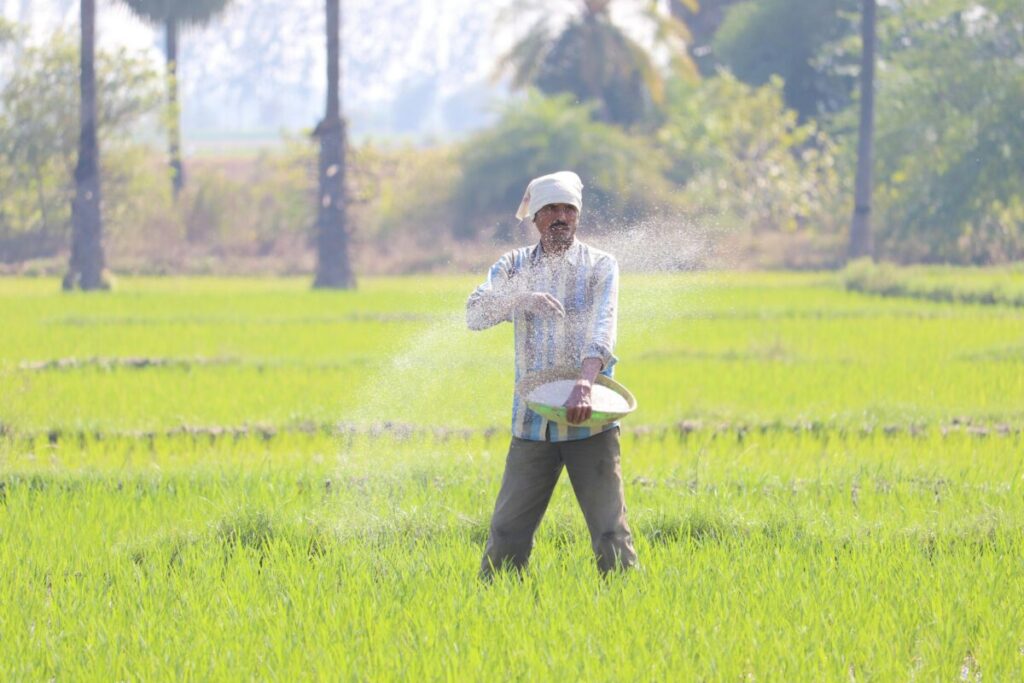
Congress chief Mallikarjun Kharge alleged that instead of addressing farmer distress, and fuel and fertiliser security, the Union government was attempting to “divert public attention through delimitation theatrics” (Image by Vinay Kumar Bairi via Public Domain)
Congress president Mallikarjun Kharge on Thursday launched a sharp and sustained attack on the Union government, accusing it of presiding over what he described as a “double failure” in ensuring both fuel and fertiliser security. In a strongly worded statement, Kharge alleged that instead of addressing mounting economic and supply-side concerns, the Centre was attempting to “divert public attention through delimitation theatrics.”
“The government has utterly failed in safeguarding India’s fuel security,” Kharge said, adding that “this is not a temporary lapse but a sustained decline over more than a decade.” He pointed to official data trends to argue that India’s crude oil production has been “falling continuously for 11 straight years,” culminating in yet another decline in 2025–26. According to him, “since 2014–15, domestic crude output has shrunk significantly, exposing the country to rising import dependence.”
Kharge further alleged that natural gas production has followed a similar trajectory. “Natural gas output, which should have been a pillar of India’s transition strategy, has instead contracted sharply over the past decade,” he said. “This raises serious questions about planning, investment, and execution.”
Taking aim at the government’s foreign energy strategy, Kharge dismissed claims of successful diversification. “The Centre speaks of diversifying imports, but the reality on the ground tells a different story,” he argued. “Reports indicate that Indian-flagged vessels are facing difficulties navigating critical global chokepoints like the Strait of Hormuz. Several ships have reportedly remained stranded for weeks. This is not just a logistical issue—it is a strategic vulnerability.”
He added that such disruptions could have cascading effects. “If supply chains are compromised, it directly impacts prices, availability, and ultimately the common citizen,” Kharge said.
On domestic access to fuel, Kharge alleged that the situation has worsened for ordinary households, particularly in rural India. “There are increasing complaints about delays in LPG cylinder deliveries,” he claimed. “In many regions, people are forced to wait for weeks. There are also reports of black marketing, which only adds to public hardship.”
“The promise of affordable and accessible cooking fuel is being undermined,” he continued. “Instead of relief, people are facing uncertainty and inflated costs.”
Fertiliser Shortages and Policy Gaps
Shifting focus to agriculture, Kharge accused the government of mishandling fertiliser supply, arguing that the crisis predates recent global disruptions. “The shortages we are witnessing today did not begin yesterday,” he said. “Farmers have been reporting supply constraints across multiple cropping seasons over the past few years.”
He stressed that these shortages have had tangible consequences. “When fertilisers are not available on time, crop yields suffer. This directly impacts farmers’ incomes and food security,” Kharge noted. “It is the farmer who ultimately pays the price for policy failures.”
Citing production figures, Kharge claimed that fertiliser output had dropped significantly. “In March 2026, production fell to a five-year low, with a sharp year-on-year decline,” he said. “This is deeply concerning and reflects a lack of preparedness.”
He also criticised the government’s approach to imports. “Despite clear signals from global markets, including export restrictions by countries like China and Russia, the Centre has failed to adequately diversify its sourcing strategy,” Kharge alleged. “This lack of foresight has compounded the crisis.”
According to him, the combined effect of domestic production decline and import dependency has created a precarious situation. “We are now in a position where both availability and affordability are under threat,” he said.
Kharge also used the opportunity to broaden his critique of the government’s priorities, taking an indirect swipe at Prime Minister Narendra Modi. Referring to recent remarks by senior BJP leader Murli Manohar Joshi, he said, “Even voices within the ruling ecosystem are beginning to question grand narratives like ‘Vishwaguru.’”
“When your own people are raising questions, it is time to introspect,” Kharge remarked. “Symbolism and slogans cannot replace governance.”
He argued that the government’s emphasis on issues like delimitation was misplaced in the current context. “At a time when the country is grappling with real economic and agricultural challenges, the focus should be on solutions, not distractions,” he said. “People want relief, not rhetoric.”
Concluding his statement, Kharge reiterated that accountability was essential. “The government must answer for these failures,” he said. “Fuel security and fertiliser availability are not optional—they are fundamental to economic stability and national well-being.”
“The priority should be clear,” he added. “Address the crisis facing citizens and farmers, instead of shifting the narrative.”