Tehelka Founder Tarun Tejpal Surrenders, To Begin 10-Yr Jail Term
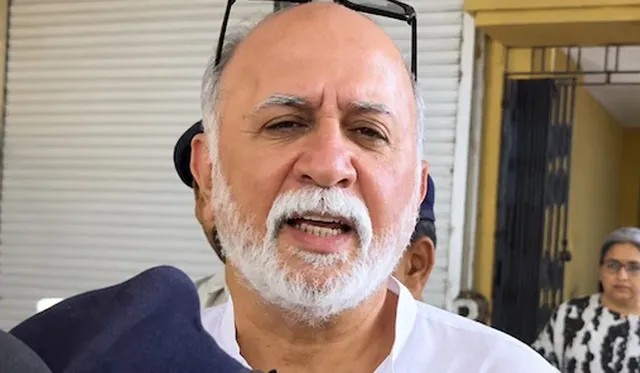
Tehelka founder-editor Tarun Tejpal has surrendered before a Goa court after an order by the Supreme Court in a 2013 sexual assault case involving a junior colleague
Former Tehelka editor-in-chief and founder Tarun Tejpal surrendered before a Goa court on Monday, September 14, 2026, to begin serving a 10-year rigorous imprisonment sentence in connection with the 2013 sexual assault case involving a junior colleague. His surrender followed the Supreme Court’s refusal to exempt him from surrender while considering his challenge to the Bombay High Court’s conviction.
The case, which has stretched across nearly 13 years, has moved through sharply contrasting judicial findings. Tejpal was acquitted by a Goa sessions court in 2021, but that verdict was overturned by the Bombay High Court in August 2026. The High Court convicted him and imposed a 10-year sentence, prompting Tejpal to approach the Supreme Court.
What happened in 2013?
The case dates back to November 2013, when a woman journalist working with Tehelka accused Tejpal of sexually assaulting her inside a hotel lift in Goa during the magazine’s THiNK festival. The allegations quickly became a national controversy, coming at a time when questions about sexual harassment, workplace power structures and accountability were receiving unprecedented public attention.
Tejpal denied the allegations. He stepped down as Tehelka’s editor-in-chief after the allegations emerged and was arrested by Goa Police on November 30, 2013, after his anticipatory bail plea was rejected. The Goa Crime Branch subsequently filed a chargesheet running into thousands of pages. He was granted bail by the Supreme Court in July 2014.
The prosecution case relied on the complainant’s testimony as well as statements from colleagues and electronic evidence, including CCTV footage, emails and WhatsApp messages. The trial was conducted in camera to protect the privacy and dignity of those involved.
Why did the legal findings change?
In May 2021, the Mapusa sessions court acquitted Tejpal of all charges, giving him the benefit of doubt. The trial court questioned aspects of the complainant’s testimony and pointed to contradictions, omissions and what it considered shortcomings in the investigation. Tejpal welcomed the judgment and maintained that he had been falsely accused.
The Goa government appealed against the acquittal. In August 2026, the Bombay High Court’s Goa Bench took a different view of the evidence and overturned the trial court judgment. The High Court convicted Tejpal and sentenced him to 10 years in prison.
The reversal is significant because it demonstrates how two courts examining substantially the same evidentiary record reached fundamentally different conclusions about the credibility of the prosecution case and the proper interpretation of the evidence.
Why did Tejpal surrender now?
After the High Court conviction, Tejpal challenged the decision before the Supreme Court. His lawyers sought relief from the requirement that he surrender while his appeal was being pursued. The Supreme Court rejected that request and directed him to surrender within two weeks.
Tejpal consequently appeared before the Goa court on September 14 and was taken into custody. His surrender does not end the legal proceedings: his challenge to the conviction remains before the Supreme Court, where the merits of his appeal are yet to be considered.
The Goa government, meanwhile, has also sought a more severe punishment, according to reports, meaning the final sentencing question could remain part of the continuing litigation.
A case larger than one courtroom
The Tejpal case has also become part of the wider debate over sexual harassment and power in newsrooms. It raised difficult questions about the vulnerability of junior employees, the responsibilities of senior editors and the ability of institutions to deal with allegations involving their own leadership.
Its long duration has also highlighted the costs of prolonged criminal litigation for everyone involved. The complainant has had to repeatedly revisit the allegations through investigations, trial and appeals, while Tejpal has spent years defending himself in a case that fundamentally altered his professional and public life.
The case is therefore not simply about a surrender or a 10-year sentence. It is a reminder of how complicated sexual-assault prosecutions can become when questions of evidence, credibility, institutional power and competing judicial interpretations intersect.
For now, the latest chapter is Tejpal’s entry into custody. But with his appeal before the Supreme Court, the case is not yet legally over.