Some Reasons Why India’s Food Diversity Matters More Than Ever
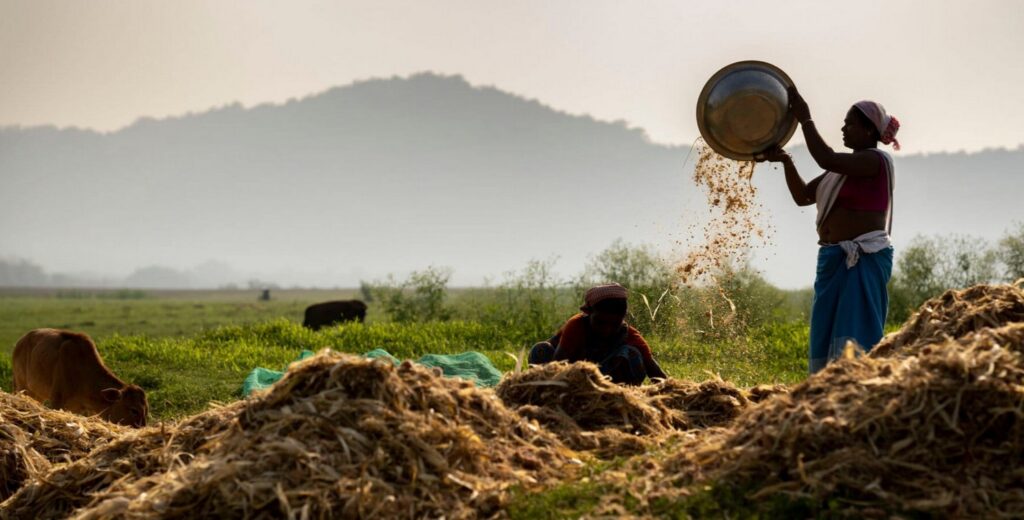
A farmer cleans maize seeds near a paddy field on the outskirts of Guwahati, Assam (Representative image; AP Photo/Anupam Nath)
The story begins with a mango tree in a family courtyard in Kerala. It was not just a tree but a living repository of memory, food traditions and biodiversity. Planted in the 1970s after a government employee retired and returned home to Thrissur, the sprawling native mango tree produced abundant fruit every year.
When the mangoes were small, tender and clustered in bunches, they were plucked for pickle; as the fruits ripened, they were transformed into a sweet curry that became a staple accompaniment to family meals.
Yet the tree’s fate reflected a larger story unfolding across India. Though rooted within the family compound, it gradually came to be treated as public property by local residents. Youngsters frequently hurled stones to knock down the fruit. More often than not, the stones missed their target and shattered roof tiles instead. Eventually, the family made a difficult decision: the tree had to be cut down.
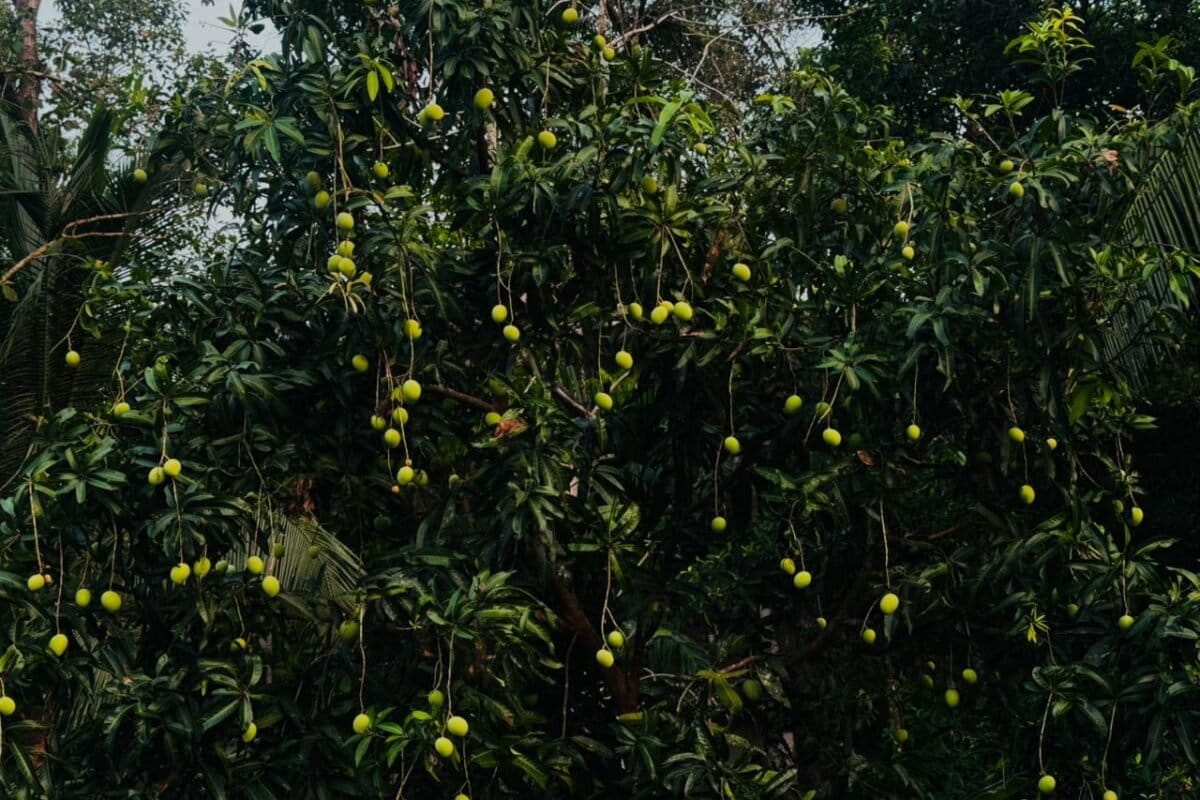
The memory of that mango tree raises questions about the fate of countless traditional crop varieties that once flourished across India. Native mangoes with names such as “Tholikayappan”—literally meaning “bitter mango skin”—were once common in homestead gardens throughout Kerala. Today, many have disappeared or become increasingly rare.
The story that many elderly would mention is that many of these varieties are disappearing or have disappeared from homestead gardens. In their place have come commercially popular varieties developed through agricultural research programmes.
The disappearance of native mangoes mirrors a broader transformation that has affected nearly every agricultural crop since the Green Revolution. In the decades following the Second World War, governments and research institutions focused on increasing food production to feed rapidly growing populations. Scientists selected specific crop varieties that could be improved through breeding programmes to boost yields, resist pests and withstand diseases.
This strategy proved remarkably successful. International institutions such as the International Maize and Wheat Improvement Center in Mexico and the International Rice Research Institute in the Philippines pioneered crop improvement efforts that helped transform global food production. Their achievements were recognised when wheat scientist Norman Borlaug received the Nobel Peace Prize in 1970.
India adopted these improved varieties during the Green Revolution of the 1960s, enabling the country to move from food shortages to self-sufficiency. However, there was an unintended consequence. While a few varieties were repeatedly used for breeding and cultivation, thousands of traditional varieties gradually fell out of use.
The global race to preserve seeds and traditional knowledge
Scientists understood the value of preserving genetic diversity even as farming systems became increasingly dependent on a narrower range of crops. Rather than discarding neglected varieties, research institutions stored their seeds in specialised facilities known as genebanks.
Even though the neglected varieties were not propagated or promoted, the research establishment did not throw their seeds away. Instead, seeds were frozen at temperatures of minus 20 degrees Celsius and carefully preserved for future use.
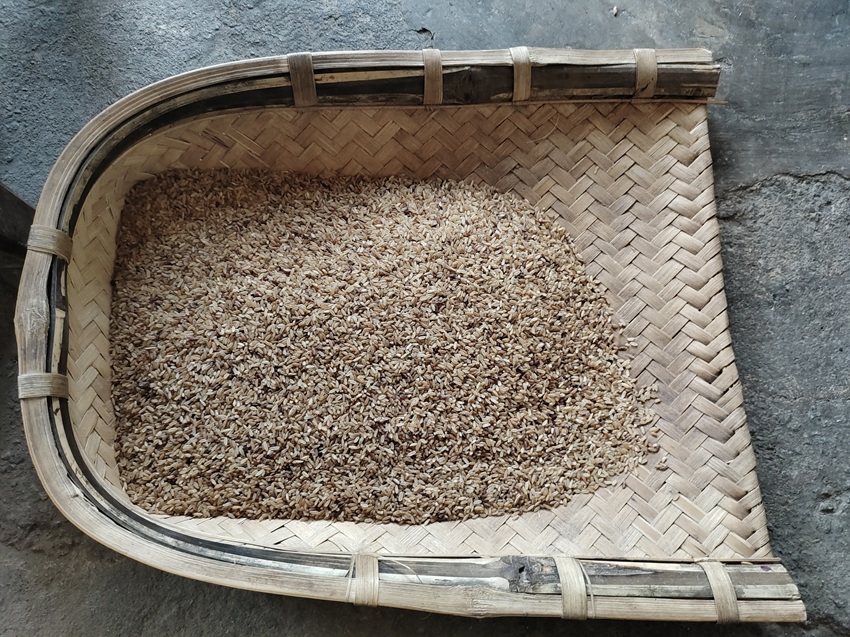
National agricultural systems built their own repositories, while international research organisations amassed some of the world’s largest collections. For decades, plant genetic resources were regarded as a global commons, allowing researchers to collect and exchange seeds freely across borders.
That changed in 1992 with the adoption of the United Nations Convention on Biological Diversity. The agreement recognised biological resources as sovereign assets belonging to individual nations. Countries gained rights over native species and varieties found within their borders, fundamentally altering how genetic resources could be accessed and shared.
To address concerns about fairness and access, governments later negotiated the International Treaty on Plant Genetic Resources for Food and Agriculture. Under this arrangement, hundreds of thousands of seed samples held by international institutions are maintained as global public goods while recognising the need for equitable benefit-sharing.
Preserving these collections, however, presents its own challenges. The vulnerability of genebanks became apparent during the Syrian civil war, when the genebank operated by the International Center for Agricultural Research in the Dry Areas in Aleppo suffered severe damage. Fortunately, duplicate collections had been stored in the Global Seed Vault in Svalbard, Norway.
Known popularly as the “Doomsday Vault,” the facility was established deep within the Arctic permafrost to provide secure long-term storage for the world’s agricultural heritage. Yet even this symbol of resilience has not escaped climate change. In 2017, melting permafrost caused flooding at the facility, highlighting the growing environmental uncertainties facing conservation efforts worldwide.
Why communities hold the key to biodiversity conservation
While genebanks play an important role, experts increasingly recognise that true conservation happens in farmers’ fields and village kitchens rather than in frozen storage facilities alone.
Biological diversity without associated traditional knowledge of its use is of no utilitarian value. A seed stored in a vault may preserve genetic material, but it does not preserve knowledge about cultivation, preparation or medicinal uses.
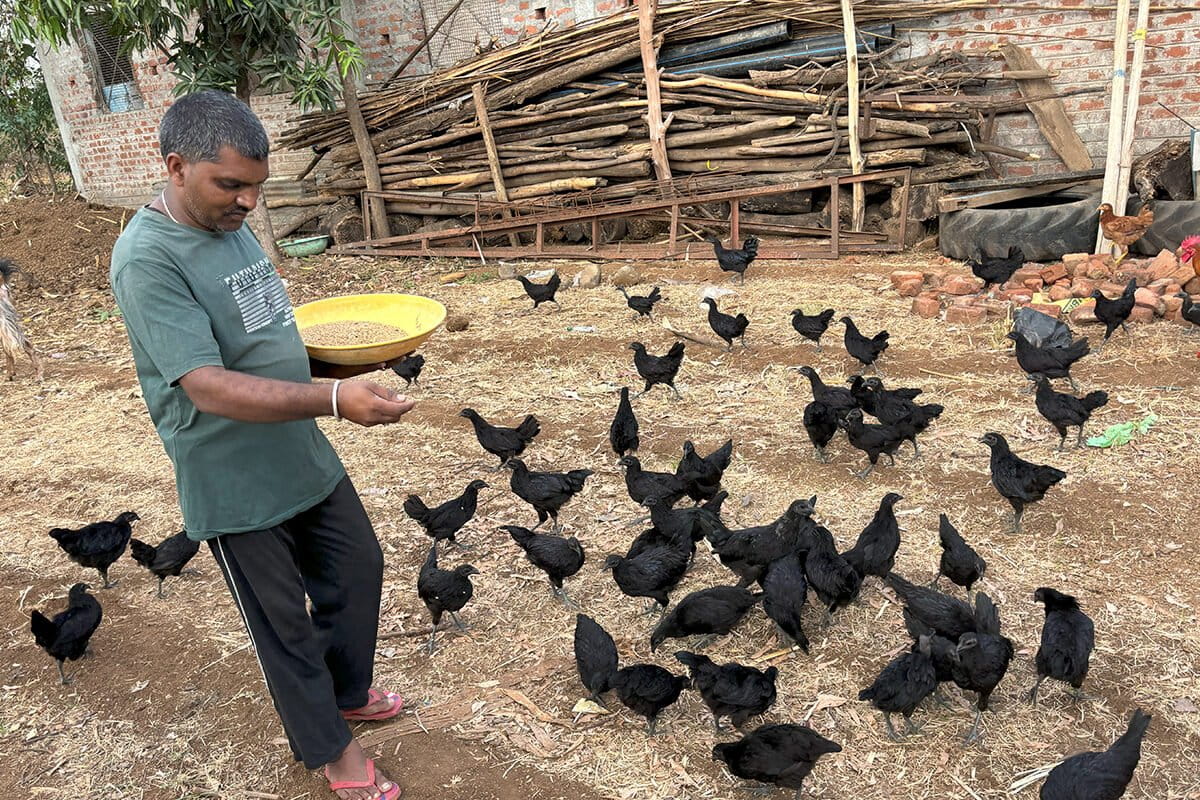
This connection between biodiversity and traditional knowledge is illustrated by the work of Karya, a group that combines artificial intelligence research with community-based documentation efforts. While studying lesser-known languages across eastern and northeastern India, researchers encountered rich food traditions linked to Indigenous communities.
Working with speakers of languages such as Sadri, Santhali, Ho, Mundari, Khasi and Bodo, the team documented recipes, cooking techniques and local ingredients. Rather than recreating dishes in urban studios, they recorded people preparing food in their own homes and communities.
The resulting publication, “From Hands that Feed,” features 314 contributors and documents an extraordinary range of agricultural diversity, including traditional rice varieties, pulses, millets, vegetables, fruits, flowers and even edible red ants. Every recipe is credited to the individual who shared it, and contributors are promised a share of proceeds from book sales.
The project highlights a critical issue in biodiversity conservation: equitable benefit-sharing. Conservation efforts often emphasise protecting species and promoting sustainable use, but communities that have preserved biodiversity for generations frequently receive limited recognition or compensation.
The challenge lies in finding fair economic value for both biological resources and the traditional knowledge associated with them. If resources are undervalued, communities may overexploit them to earn sufficient income. If they are overvalued, demand can drive unsustainable harvesting.
As climate change creates increasingly unpredictable conditions for agriculture, preserving diversity has become more important than ever. Rainfall patterns, temperature cycles and seasonal rhythms are becoming less reliable, forcing farmers to adapt continuously.
Scientists may develop improved crop varieties, but agricultural research often struggles to keep pace with rapidly changing conditions.
In such a future, the answer may lie not only in laboratories and breeding programmes but also in the vast reservoir of traditional diversity maintained by farmers and communities. Forgotten mango varieties such as Chandrakaran or Tholikayappan could one day possess traits that help crops survive emerging environmental stresses.
The growing involvement of young professionals, chefs, entrepreneurs and citizen groups offers hope that India’s agricultural heritage will not disappear unnoticed. By documenting traditional foods, promoting local varieties and creating economic opportunities around biodiversity, they are helping ensure that conservation remains a living practice rather than merely an archival exercise.
After all, preserving biodiversity is not just about saving seeds. It is about protecting the knowledge, cultures and communities that give those seeds meaning.