Banning Telegram Will Not Stop Paper Leaks, Says Arvind Kejriwal
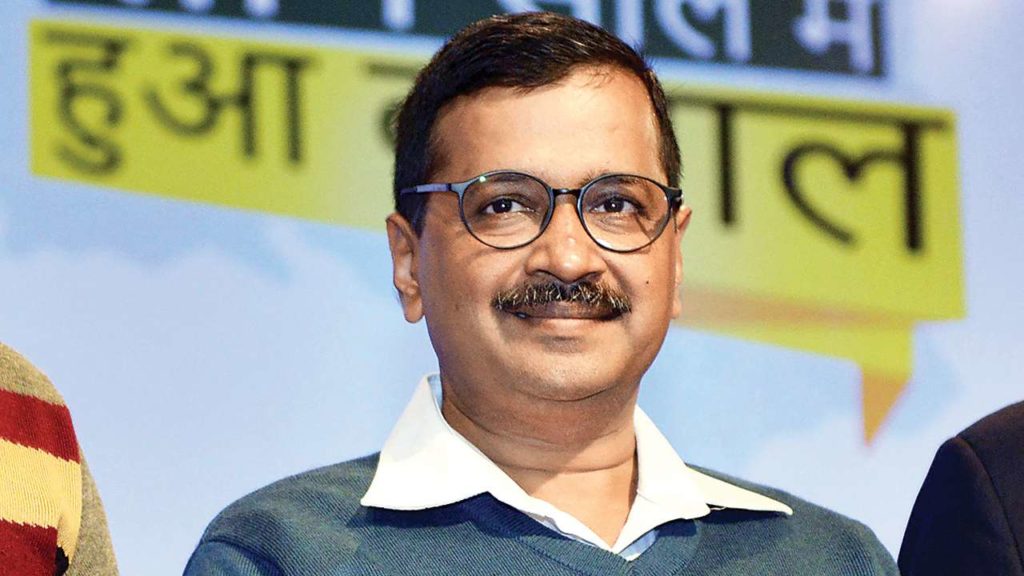
AAP national convener Arvind Kejriwal Kejriwal said that meaningful reform, rather than platform bans, is the only lasting solution to a crisis that has affected lakhs of aspirants across the country
Aam Aadmi Party (AAP) national convener Arvind Kejriwal on Thursday sharply criticised the government’s decision to temporarily ban messaging platform Telegram in an effort to curb examination paper leaks, arguing that the move addresses only the surface of a much deeper problem.
In a video message shared on social media platform X, the former Delhi chief minister said the government was focusing on technological platforms instead of dismantling the organised networks allegedly responsible for recurring examination scandals. According to Kejriwal, the issue of paper leaks cannot be solved by restricting access to a single app.
“Banning Telegram is not the solution,” he said, questioning how blocking one platform would eliminate a system that has repeatedly compromised the integrity of major competitive examinations across the country.
‘Paper leak network has become a massive industry’
Kejriwal alleged that paper leaks have evolved into a highly profitable underground business operating on a large scale. He claimed that the racket generates enormous sums of money and continues to flourish because powerful individuals benefit from it.
“The business of paper leaks is worth billions of rupees,” Kejriwal said. He further alleged that the money earned through these illegal activities ultimately reaches influential people who help sustain the network.
The AAP leader argued that repeated incidents of examination leaks have caused immense hardship for students and their families. Competitive examinations are often the result of years of preparation, financial sacrifice and intense effort. When question papers are leaked, he said, the dreams of countless aspirants are put at risk.
According to Kejriwal, the government’s decision to target Telegram creates the impression of action while leaving the alleged masterminds behind the leaks untouched. He suggested that authorities should focus on identifying and prosecuting those involved in obtaining, distributing and profiting from leaked examination papers rather than restricting access to communication platforms.
“Unless the people behind these leaks are caught and punished, the problem will continue,” he said, adding that technological restrictions alone cannot dismantle a deeply entrenched system.
Call for accountability and structural reforms
Expanding his criticism, Kejriwal alleged that money generated through paper leak operations is being used for political purposes. Without naming any individuals or organisations, he claimed that funds flowing through such networks contribute to a larger ecosystem of corruption.
“The money from these rackets is used in many ways, including influencing politics,” he said. He further alleged that such financial resources are sometimes used to engineer political defections and secure support from legislators.
Kejriwal argued that recurring examination scandals point to systemic failures rather than isolated incidents. In his view, every new leak exposes weaknesses in the current system and highlights the need for comprehensive reforms.
“The whole system will have to change,” he asserted, maintaining that temporary measures and reactive decisions will not restore public confidence in the examination process.
The AAP chief called upon students, parents and citizens to demand greater accountability from authorities. He said the integrity of public examinations can only be protected through transparent processes, stricter oversight and decisive action against those responsible for manipulating recruitment and admission systems.
His remarks come amid intensifying political debate over repeated paper leak incidents and the effectiveness of government measures aimed at preventing them. Opposition parties have increasingly accused authorities of failing to act against the networks allegedly orchestrating these leaks, while also questioning whether current responses are sufficient to deter future violations.
As concerns continue to grow among students preparing for competitive examinations, the controversy has once again brought the issue of examination security and institutional accountability to the forefront of national political discourse. Kejriwal maintained that meaningful reform, rather than platform bans, is the only lasting solution to a crisis that has affected lakhs of aspirants across the country.