CG Mining Project Overlaps Wildlife Corridor, Ignites Debate
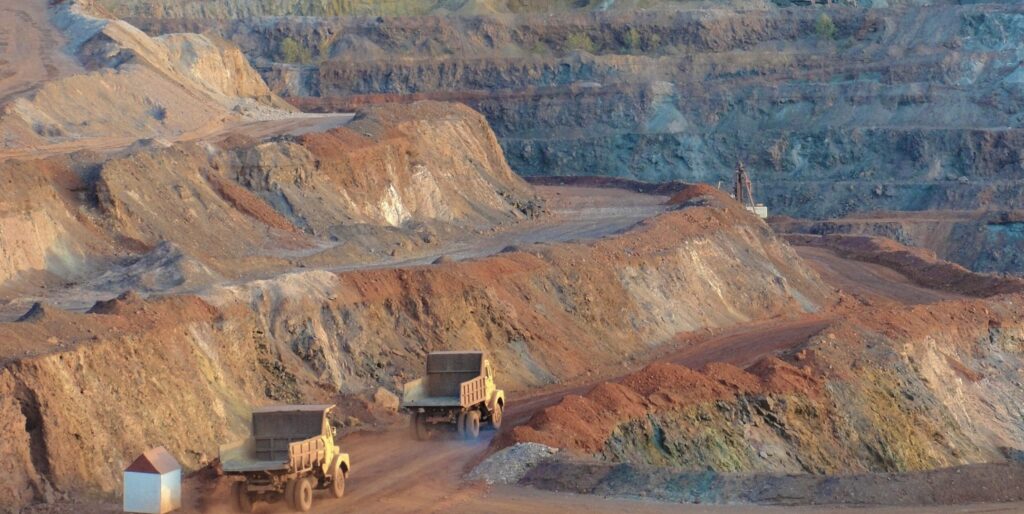
An iron ore mine in Chhattisgarh (Representative image by India Water Portal via Flickr)
A proposed iron ore mining and processing project in Maharashtra’s Gadchiroli district has ignited a fresh debate over the future of one of central India’s most important forest landscapes. At the heart of the controversy is a plan that would require the diversion of approximately 9.37 square kilometres of forest land, raising concerns among conservationists about the impact on wildlife habitats, ecological connectivity and the region’s biodiversity.
The project, promoted as part of a broader industrialisation drive in the district, has drawn scrutiny because of its location in an ecologically sensitive area. Environmental groups and wildlife experts argue that the forest land earmarked for diversion plays a significant role in maintaining connectivity between major forest tracts in Maharashtra and neighbouring Chhattisgarh. The issue has become a focal point in the ongoing discussion about how India should balance economic development with environmental conservation.
For decades, Gadchiroli remained relatively untouched by large-scale industrial expansion due to the influence of Maoist insurgency in the region. While other parts of Maharashtra witnessed rapid urbanisation and industrial growth, the district’s dense forests and remote terrain acted as a natural barrier to extensive development activities. As a result, vast stretches of forest survived largely intact, preserving wildlife habitats and ecological corridors that are increasingly rare elsewhere.
Today, however, the situation is changing. With improvements in security and governance, the state government has identified Gadchiroli as a key destination for industrial investment. Authorities believe that mining, steel manufacturing and associated infrastructure projects can help generate employment, improve connectivity and stimulate economic growth in a district that has historically lagged behind in development indicators.
Concerns Over Wildlife Corridors and Ecological Connectivity
The mining proposal has attracted particular attention because of reports suggesting that the project area overlaps with a wildlife corridor associated with the Tadoba-Andhari landscape. Wildlife corridors are critical for maintaining connectivity between fragmented habitats, allowing animals to move in search of food, mates and suitable breeding grounds. Such movement is essential for maintaining healthy populations of large mammals, especially species that require extensive territories.
Questions emerged after maps linked to the project reportedly indicated overlap with a corridor identified in conservation planning documents connected to the Tadoba-Andhari Tiger Reserve. Environmental advocates argue that any disruption to such corridors could have long-term consequences for wildlife populations across the region.
The issue became more contentious when state authorities determined that the proposed site did not fall within an officially recognised tiger corridor and therefore did not require additional wildlife clearance. While this decision cleared an important regulatory hurdle for the project, critics contend that ecological realities on the ground may not always align neatly with administrative classifications.
Wildlife experts point out that forests in Gadchiroli serve as movement pathways for a variety of species beyond tigers. According to conservationists working in central India, the area forms part of an active elephant movement route and is used by several large mammals that depend on uninterrupted forest cover. These corridors help animals navigate between different habitats and maintain genetic exchange among populations spread across large landscapes.
Researchers also note that the ecological significance of Gadchiroli remains underexplored. Due to years of restricted access caused by insurgency-related security concerns, scientific studies in many parts of the district have been limited. As a result, there is relatively little comprehensive information about the full range of species and ecosystems that could be affected by future industrial activities.
This lack of ecological data has become a major concern for conservation groups. They argue that decisions involving large-scale land-use changes should be informed by detailed assessments of biodiversity and wildlife movement patterns. Without a clear understanding of what exists within these forests, evaluating the true environmental costs of development projects becomes difficult.
Economic Aspirations Meet Conservation Challenges
Supporters of industrial expansion argue that Gadchiroli stands at a crucial stage in its development journey. Despite its rich natural resources, the district continues to face economic challenges, including limited industrial activity, lower employment opportunities and inadequate infrastructure in many areas. State policymakers view investments in mining and related industries as a means to unlock the region’s economic potential.
Recent announcements by the Maharashtra government signal a broader strategy aimed at transforming Gadchiroli into an industrial hub. Mining projects, steel plants and infrastructure improvements are expected to attract investment and create jobs, potentially benefiting local communities that have long struggled with economic marginalisation.
Proponents believe that responsible industrial development can coexist with environmental safeguards if projects are implemented under strict regulatory oversight. They argue that economic growth is necessary to improve living standards and provide opportunities for younger generations in a district that has remained on the periphery of Maharashtra’s development story.
However, critics caution that the cumulative impact of multiple projects could significantly alter the district’s ecological character. Unlike isolated developments, a series of mining operations, roads, industrial facilities and associated infrastructure could fragment forests, increase human activity and create long-term pressures on wildlife habitats.
The debate surrounding the mining proposal therefore extends beyond a single project. It reflects larger questions about the future of forest-rich regions across India. As governments seek to accelerate economic growth and resource extraction, they are increasingly confronted with demands to protect biodiversity, maintain ecosystem services and preserve ecological connectivity.
Gadchiroli now finds itself at the centre of this national conversation. The district’s forests represent both an economic resource and an environmental asset, making decisions about land use particularly complex. While industrialisation promises employment and investment, conservationists warn that once critical habitats and wildlife corridors are disrupted, restoring them may prove difficult or impossible.
The challenge for policymakers will be finding a path that addresses development needs without undermining the ecological foundations that make the region unique. As proposals for mining and industrial projects continue to emerge, the choices made in Gadchiroli may serve as an important test case for how India navigates the competing demands of economic progress and environmental stewardship in the years ahead.