Why The Pranit More Row Raises Questions About Gen Z Role Models
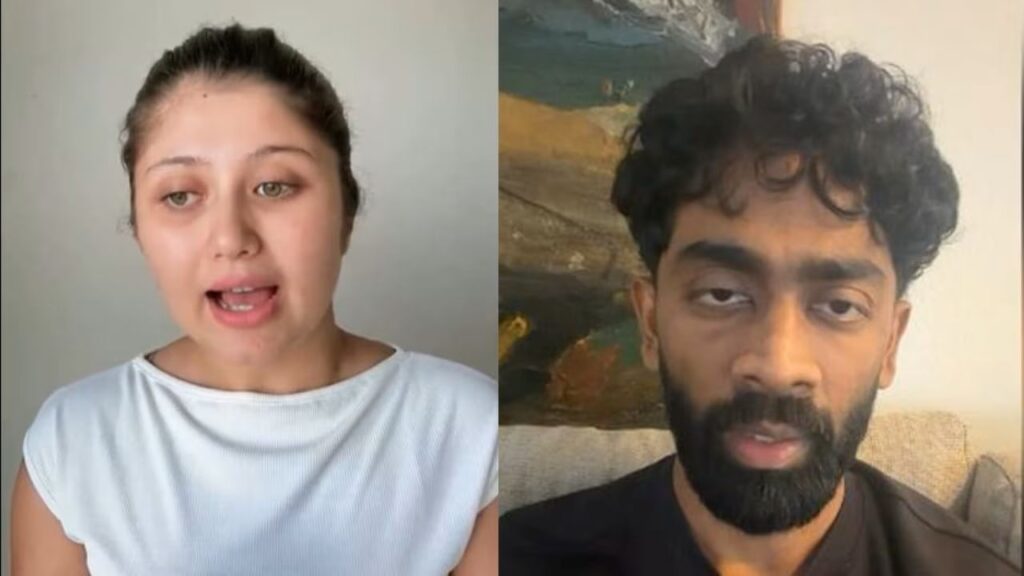
The Pranit More–Sejal Pawar controversy is about more than a viral clip. It reflects a larger cultural moment in which society is reassessing the boundaries of entertainment and asking what values should guide public discourse
The recent controversy involving stand-up comedian Pranit More and medical student Sejal Pawar has sparked a nationwide debate about the limits of comedy, the responsibilities of public figures, and the kind of role models that young Indians should look up to. What began as a seemingly casual interaction during a comedy show quickly escalated into a major public controversy, leading to investigations, social media outrage, and discussions about ethics, decency, and accountability.
The controversy erupted after clips from one of Pranit More’s crowd-work comedy shows went viral online. During an interaction with the audience, Sejal Pawar, an MBBS student associated with Mumbai’s KEM Hospital and Seth G.S. Medical College, made remarks about male cadavers used in medical education. The comments were widely criticised by doctors, medical students, and members of the public, who described them as insensitive and disrespectful toward body donors whose contributions are essential to medical training.
The backlash was swift. KEM Hospital initiated an inquiry, placed Pawar on compulsory leave, and reportedly barred her from campus pending further review. Medical organisations condemned the remarks, arguing that cadavers are treated as “first teachers” in medical education and deserve the highest degree of respect. Pawar later issued an apology, acknowledging that her comments had caused hurt and controversy.
The problem with shock humour and viral comedy
While Sejal Pawar’s remarks drew criticism, many observers also questioned the role played by Pranit More and the broader culture of online comedy. Critics argued that crowd-work comedy often encourages participants to make increasingly outrageous statements for laughs and social media attention. In this case, the controversial remarks were not only made on stage but were also amplified through viral clips that reached millions online.
The Maharashtra Cyber Police subsequently registered cases against Pranit More and others linked to the controversial content, while the state government ordered a review of More’s social media material.
This episode is part of a larger trend that has become increasingly visible in India’s digital entertainment space. Several comedians, podcasters, and internet personalities have built massive followings by relying on edgy humour, vulgar language, sexual references, and controversial remarks. Figures such as Samay Raina and Ranveer Allahbadia have frequently found themselves at the centre of debates about whether online content is crossing the line between humour and offensiveness.
Defenders of such content argue that comedy is meant to challenge norms and push boundaries. Critics counter that there is a difference between intelligent satire and content that depends on vulgarity, shock value, or humiliation for engagement. The Pranit More controversy has once again highlighted this tension. It raises an important question: when controversial content becomes the primary route to online fame, what message does that send to young audiences?
The concern is not merely about offensive jokes. It is about a growing culture in which controversy itself becomes a business model. Viral outrage generates clicks, views, followers, and revenue. In such an environment, the incentive to remain respectful or responsible can often take a back seat to the pursuit of engagement.
Choosing better role models for Gen Z
At a time when social media heavily influences aspirations and behaviour, the debate extends beyond comedy. It is also about who young Indians choose to admire.
Consider the example of R Praggnanandhaa, who has earned global recognition through extraordinary discipline, intelligence, and perseverance. His victories against some of the world’s greatest chess players have inspired millions without a single controversy or publicity stunt.
Similarly, Vaibhav Suryavanshi has emerged as one of the most exciting young talents in Indian cricket. His achievements reflect years of dedication, hard work, and commitment to excellence. Young people looking at his journey can learn valuable lessons about focus, resilience, and self-improvement.
The contrast is striking. On one side are young achievers who earn admiration through skill, discipline, and achievement. On the other are internet personalities who often rely on sensationalism, vulgar jokes, and controversy to maintain relevance.
This does not mean comedians should be censored or that humour has no place in society. Comedy is an important form of expression and social commentary. However, public figures also have influence, and influence comes with responsibility. When jokes target human dignity, promote disrespect, or trivialise serious issues, criticism becomes inevitable.
The Pranit More–Sejal Pawar controversy is therefore about more than a viral clip. It reflects a larger cultural moment in which society is reassessing the boundaries of entertainment and asking what values should guide public discourse. As Gen Z becomes India’s most influential generation, the choices it makes about who deserves admiration will shape the country’s cultural future.
The real challenge is not deciding whether controversial jokes should exist. It is deciding whether shock value and vulgarity deserve to be celebrated more than talent, integrity, and genuine achievement. For many, the answer is becoming increasingly clear.