Why India Must Put Public Health At The Heart Of Heat Response
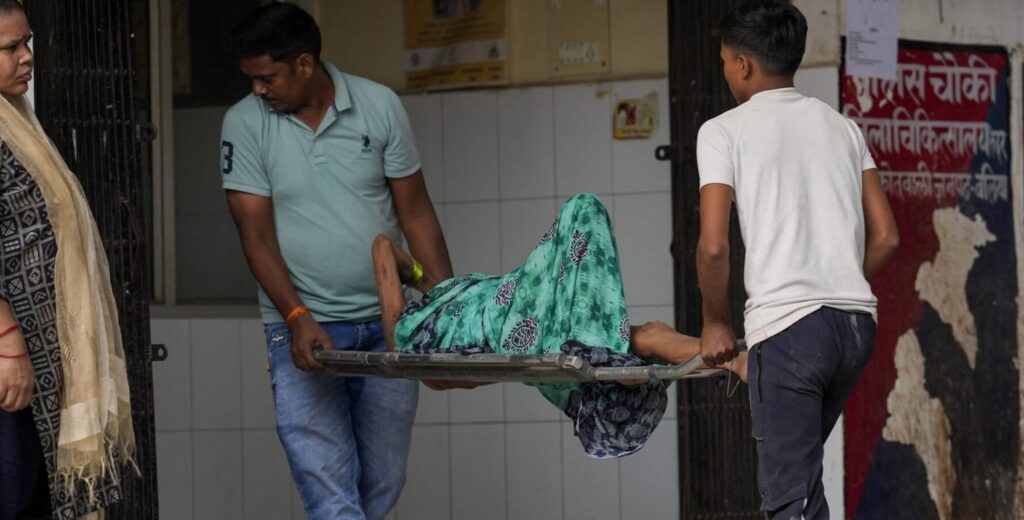
An elderly woman suffering from a heat-related illness is brought to an overcrowded government district hospital in Ballia, Uttar Pradesh (AP Photo/Rajesh Kumar Singh)
- As temperatures rise, India must place public health at the centre of how heat impact is measured, understood, and acted upon.
- This will help deliver effective, equitable, and evidence-based responses at scale.
- Heat action plans respond to heat that is already here but do little to address the drivers of warming or the heat yet to come.
Every summer, India activates Heat Action Plans (HAPs), authorities issue heatwave warnings, concerns over labour productivity dominate headlines, and debates emerge over heat-related deaths. Yet, despite recurring crises, one critical question continues to receive insufficient attention: Are current measures truly protecting public health?
The challenge is not a lack of scientific evidence. Rather, it is the failure to translate public health knowledge into policies that can effectively reduce illness, prevent deaths, and strengthen health systems.

As one public health expert observes, “Heat exposure may be shaped by climate, labour, urban planning and energy systems, but its consequences ultimately manifest in human health.” That reality should place health at the centre of India’s heat governance rather than treating it as one among many sectors.
One of the biggest misconceptions lies in how heat-related illnesses are measured. Public health surveillance is often expected to account for every heat-related illness before governments act. However, surveillance systems are not designed to produce a complete census. Instead, they function as early warning mechanisms by tracking serious and preventable conditions that signal when interventions are urgently required.
India’s National Heat-Related Illness and Death Surveillance (NHRIDS), for instance, focuses primarily on heatstroke—the most severe form of heat-related illness—to provide timely information. But structural limitations remain significant. Reporting continues to rely largely on manual data entry, making underreporting inevitable. Unlike infectious diseases such as malaria or tuberculosis, heat-related illnesses also lack definitive laboratory tests, making diagnosis dependent on clinical assessment.
Even advanced healthcare systems with electronic medical records continue to underestimate heat-related illnesses despite access to real-time syndromic surveillance. India’s digital health ecosystem is still evolving, making comprehensive real-time surveillance far more difficult.
Public health specialists argue that “the goal is situational awareness, not a census.” Consequently, simply expanding reporting requirements without strengthening digital infrastructure may increase administrative burden while yielding limited actionable evidence.
A more reliable way to understand heat’s health burden is through epidemiological approaches such as measuring excess hospital admissions and all-cause mortality during heat events. While NHRIDS captures some of these indicators, the absence of integrated digital systems limits real-time analysis.
The evidence gap extends beyond surveillance into research itself. Heat-related illnesses are clinical diagnoses requiring physicians to evaluate environmental exposure, physiological responses, symptoms and competing medical conditions. Yet many field studies increasingly classify headaches, fatigue, nausea or muscle pain reported during summer as heat-related illnesses solely because they occurred during hot weather.
Such approaches provide valuable insights into people’s lived experiences but cannot establish whether heat was the actual cause. Symptoms may equally result from infections, chronic diseases, medications or dehydration unrelated to extreme temperatures.
Researchers recommend adopting validated epidemiological tools such as HOTHAPS, alongside clinical verification, physiological measurements and comparative seasonal analyses to improve accuracy. Without such safeguards, studies risk inflating disease burden, generating misleading associations and ultimately influencing policy with weak evidence.
Similar inconsistencies exist in estimating heat-related deaths. Different agencies use different reporting systems and definitions. The National Crime Records Bureau records accidental deaths through police networks, while the India Meteorological Department has historically relied on media reports to compile heatwave mortality. Neither approach consistently applies clinical definitions of heatstroke.
Health departments, by contrast, are better positioned to investigate and classify heat-related deaths using medical protocols—but only for deaths reported within the healthcare system.
As experts note, “without a common case definition, differing mortality counts are inevitable.”
Instead of relying solely on reported heat deaths, analysing excess all-cause mortality through the Civil Registration System offers a more reliable picture of heat’s overall health impact, even though it is not designed for real-time surveillance.
Health must become the organising principle of heat policy
The health burden of rising temperatures extends well beyond heatstroke. Extreme heat aggravates cardiovascular disease, kidney disorders, respiratory illnesses, neurological conditions, maternal complications and mental health problems.
Yet India’s major health programmes—including non-communicable disease initiatives and disease surveillance systems—rarely integrate environmental exposure into routine monitoring. Consequently, a substantial proportion of heat-related illness remains statistically invisible despite being managed daily within healthcare facilities.
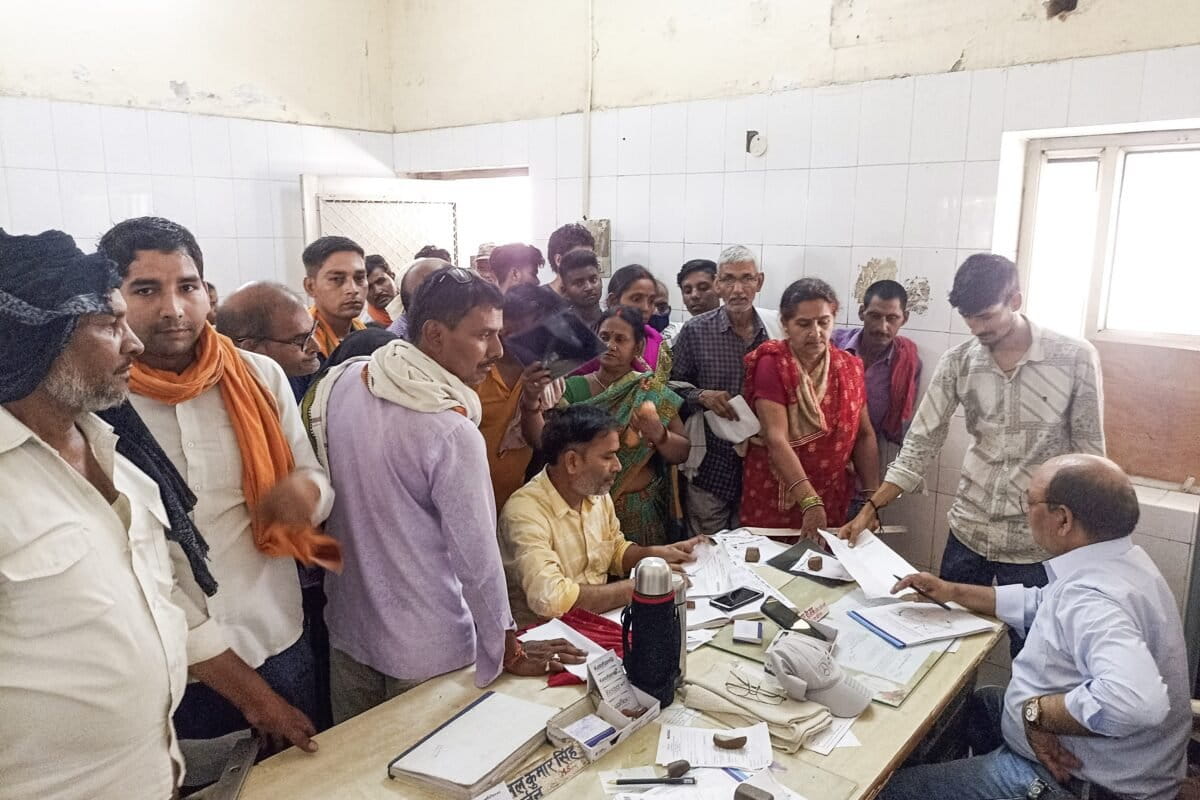
Public health experts argue that analysing long-term relationships between temperature trends and disease patterns would provide a far clearer understanding of heat’s true burden and support stronger policy interventions.
Another critical weakness lies in how heat risk is conceptualised. Most current policies emphasise predefined vulnerable groups. While protecting vulnerable populations remains essential, heat exposure itself is dynamic.
A teacher supervising outdoor examinations, a traffic police officer, a pilgrim walking long distances, an auto-rickshaw driver or a homeless individual may all experience dangerous heat stress comparable to formally recognised vulnerable workers.
As researchers point out, “Heat risk is determined not only by who people are, but also by the level of heat exposure and exertion they experience at a given time.”
This distinction has important policy implications. Cooling centres or interventions designed exclusively for specific occupational categories may unintentionally exclude others facing equally hazardous exposure. Universal protections—including access to shade, drinking water, rest breaks and cooling infrastructure—should therefore form the foundation of India’s heat response, while targeted measures should complement rather than replace them.
Heat Vulnerability Assessments (HVAs) also illustrate the gap between research and implementation. Although useful for identifying relatively high-risk areas, many assessments suffer from inconsistent methodologies, subjective indicator selection and limited validation.
Different studies often generate conflicting vulnerability maps for the same location. More importantly, these maps rarely translate into clearly defined long-term interventions. Without standardised methods and explicit response frameworks, HVAs risk becoming mapping exercises rather than practical governance tools.
Perhaps the largest policy disconnect lies between adaptation and climate mitigation. Heat Action Plans primarily focus on responding to existing heatwaves, while broader climate policies address emissions reduction. These systems often function independently despite being deeply interconnected.
This separation creates the possibility of maladaptation. Expanding air-conditioning powered by coal-based electricity, energy-intensive cooling strategies or water-intensive interventions may reduce immediate heat exposure while increasing greenhouse gas emissions or placing additional pressure on water and energy resources.
Meanwhile, the health sector remains marginal within both climate mitigation and adaptation frameworks. India’s Nationally Determined Contributions and major climate missions include few explicit targets for strengthening health systems against climate risks.
Ultimately, India’s response to rising temperatures requires more than seasonal emergency planning. It demands stronger surveillance, better epidemiological research, integrated health systems, evidence-based governance and closer alignment between adaptation and mitigation strategies.
As one expert concludes, “Unless public health outcomes become the organising principle of heat governance, rising temperatures will continue to expose the limits of our response.”