‘Wildlife Board Cleared Projects Without Due Ecological Scrutiny’
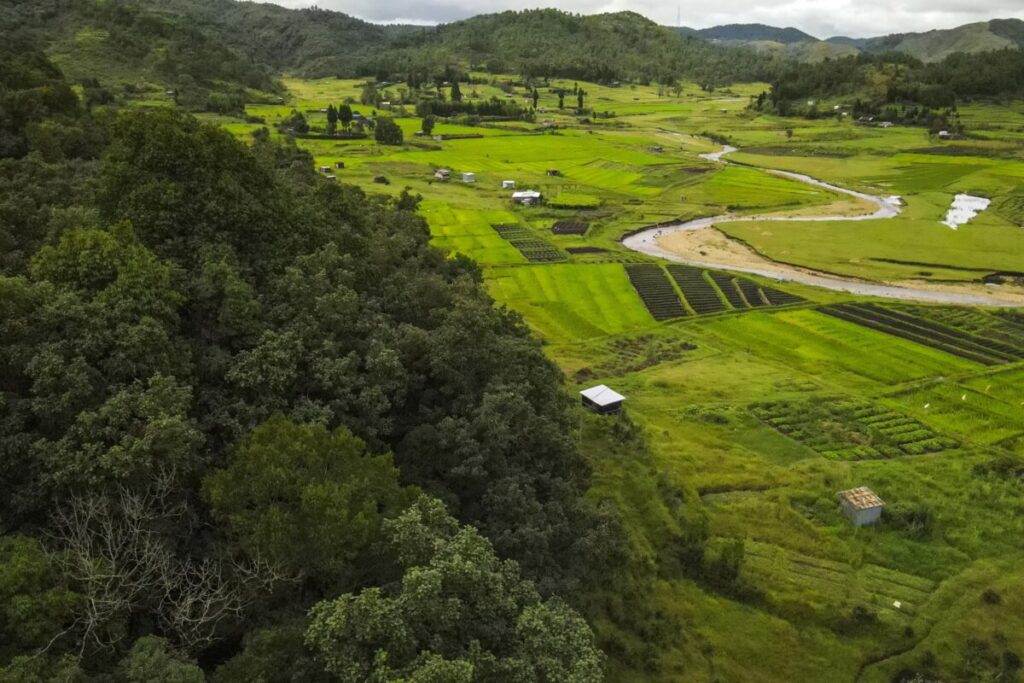
Agricultural fields alongisde a sacred forest in Meghalaya. A PIL filed in the Delhi High Court says the Standing Committee under the NBWL approved 97% of projects between 2014 and 2026, leading to the diversion of 95,724 hectares of forest land. Representative image. (AP Photo/Anupam Nath)
- A Delhi High Court petition alleges the National Board for Wildlife (NBWL) Standing Committee approved 97% of 2,186 project proposals between 2014–2026, diverting at least 95,724 hectares of forest land with little ecological scrutiny.
- Petitioners say the National Board for Wildlife has met only once between 2012 and 2025, leaving the Standing Committee to operate largely without oversight.
- The petition flags conflicts of interest and procedural irregularities which, it argues, violates the Wildlife Protection Act.
A group of retired forest officials, conservationists and researchers has moved the Delhi High Court, alleging that the National Board for Wildlife (NBWL) and its Standing Committee have routinely approved development projects inside protected areas without adequate ecological scrutiny or scientific evaluation.
The public interest litigation (PIL) has been filed by four retired Indian Forest Service (IFS) officers led by Prakriti Srivastava, along with noted conservationists including M.K. Ranjitsinh, who played a key role in drafting the Wildlife (Protection) Act, 1972.
The petition claims that the Standing Committee of the NBWL approved 97 per cent of 2,186 project proposals considered between 2014 and 2026, leading to the diversion of at least 95,724 hectares of forest land. According to the petitioners, the high approval rate reflects a lack of “processual rigour” and meaningful ecological assessment.
“The National Board for Wildlife and its Standing Committee acted with total disregard of their constitutional duties and in violation of the very intent and purpose for which they were statutorily created,” the petition states.
The challenge comes amid wider concerns over recent changes to environmental regulations aimed at improving the “ease of doing business.”
The NBWL, chaired by the Prime Minister, was constituted under the Wildlife (Protection) Act to advise governments on wildlife conservation, protected areas and the environmental impacts of development projects. Diversion of land within protected areas requires its approval.
However, the petition argues that the full Board has rarely met, leaving decision-making almost entirely to the Standing Committee, chaired by Union Environment Minister Bhupender Yadav. A representative of the minister declined to comment.
According to the petition, the NBWL met only once between 2012 and 2025, while its Standing Committee held 55 meetings between 2014 and 2026.
Independent environmental consultant Mridhu Tandon, a member of the IUCN World Commission on Protected Areas, said reviews of project records revealed little project-specific ecological analysis.
“The deliberations recorded for linear infrastructure proposals are strikingly similar across projects, even when they involve different protected areas with distinct ecological characteristics,” she said.
“This is largely because there is little discussion of the biodiversity values of the protected area or of the specific impacts that the project is likely to have on those values.”
The Standing Committee most recently met on July 9, when it considered more than 100 proposals.
Following the meeting, the Union Environment Ministry said the projects were evaluated based on “their ecological impacts, importance for public welfare and national development, and the adequacy of mitigation measures to ensure conservation of wildlife and their habitats.”
Concerns over protected areas, governance and accountability
The petition also questions several approvals granted by the Standing Committee.
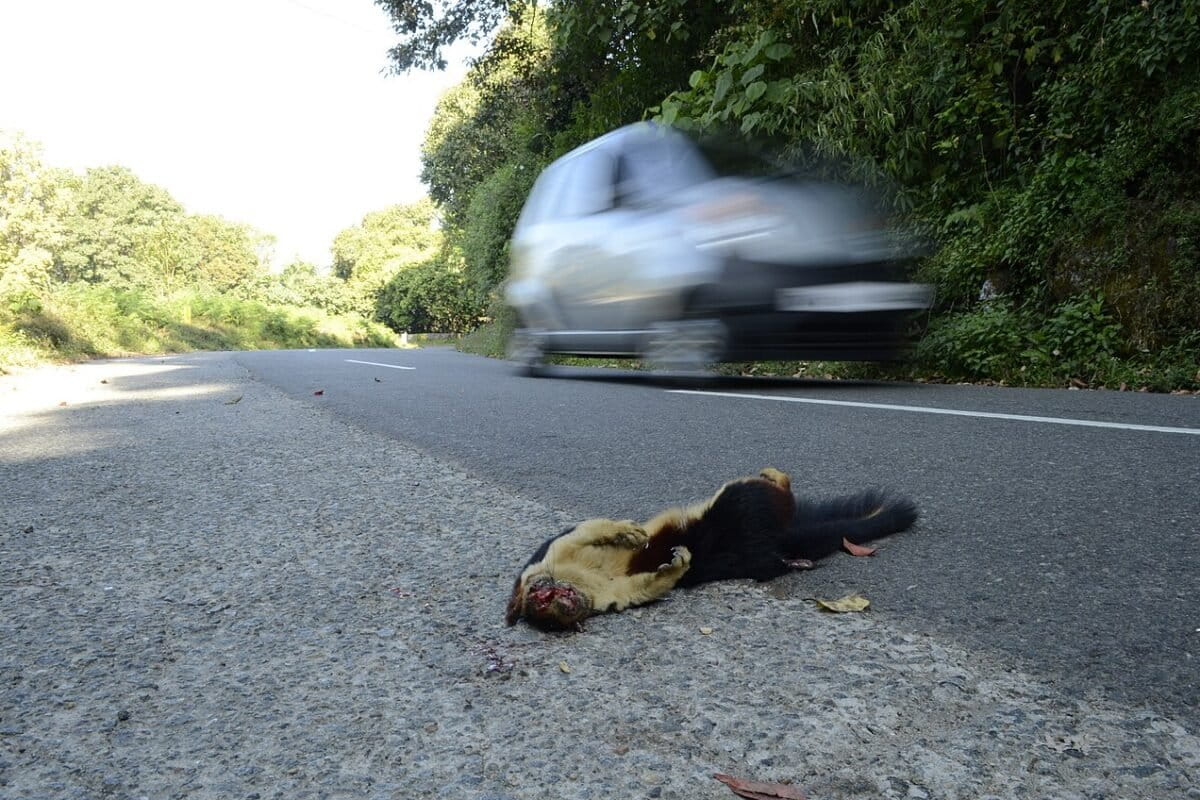
It cites the Ken-Betwa river-linking project, which is expected to submerge around 10 per cent of the Panna Tiger Reserve and National Park, despite objections from the park’s director. According to the petition, the committee approved the project while ignoring ecological concerns raised by experts.
The petition also refers to the approval for the denotification of Galathea Bay in Great Nicobar Island, a globally significant nesting site for leatherback sea turtles that has been cleared for a proposed transshipment port.
“Minutes recording the proceedings of the SC-NBWL’s meetings mostly do not even mention the impact that these denotifications and reductions will have upon wildlife and their habitats,” the petition says.
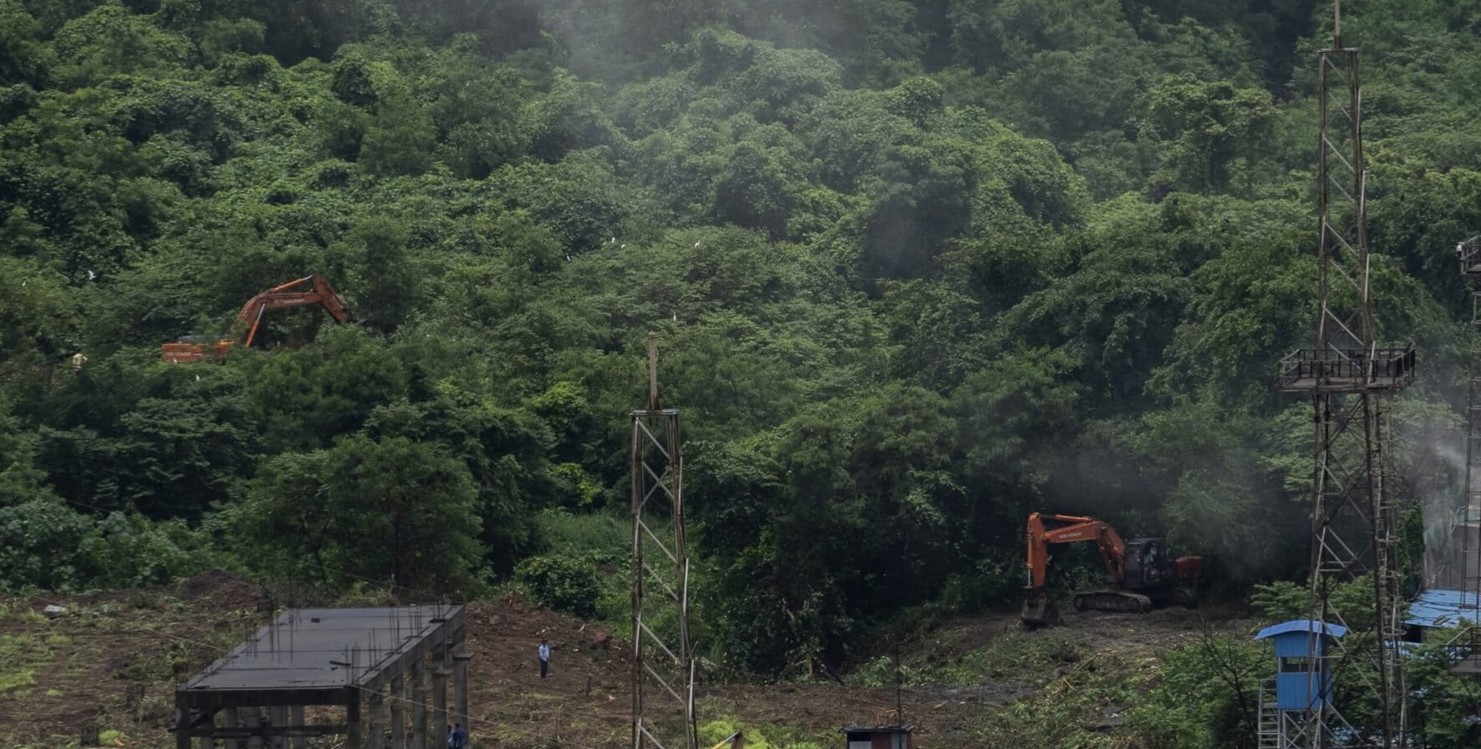
Tandon also pointed to a 2018 guidance document prepared by conservationist T.R. Shankar Raman, which recommended avoiding linear infrastructure through protected areas wherever possible, considering route realignment before relying on mitigation measures.
“Despite providing a strong scientific basis for decision-making, the study appears to receive little consideration during deliberations on linear infrastructure proposals,” she said.
The petition further alleges that the committee lacks adequate independent representation.
While the full NBWL includes several conservation experts and non-governmental organisations, the Standing Committee includes only one NGO representative, alongside government officials and retired forest officers.
“There is no voting on matters, and often the chairperson makes unilateral decisions, thus rendering the expertise and diversity of views within the committee redundant,” the petition alleges.
It also argues that the present Standing Committee was constituted directly by the Union Environment Ministry instead of the NBWL itself, as required under the Wildlife (Protection) Act.
“This shift to a nomination by the Central Government is not only illegal, but also shows that the SC-NBWL lacks autonomy,” the petition states.
Rather than seeking cancellation of previous approvals, the petitioners have asked the court to strengthen the decision-making framework governing wildlife clearances.
They have urged that every proposal involving diversion, denotification or rationalisation of protected areas should include written justification explaining how it benefits wildlife management and complies with the Wildlife (Protection) Act. The petition also seeks mandatory independent ecological impact assessments for projects affecting protected areas.
“The committee’s deliberations should explicitly consider the ecological significance of the protected area proposed for diversion, and assess how the project may affect its biodiversity values,” Tandon said.
She added that projects affecting internationally recognised conservation sites should also be evaluated in light of India’s commitments under global environmental conventions.
The Delhi High Court has sought responses from the Union Environment Ministry and other respondents within four weeks. The matter is scheduled to be heard on September 18.