Migration Is Not A Crisis Or A Cure-All. It Just Needs To Be Managed
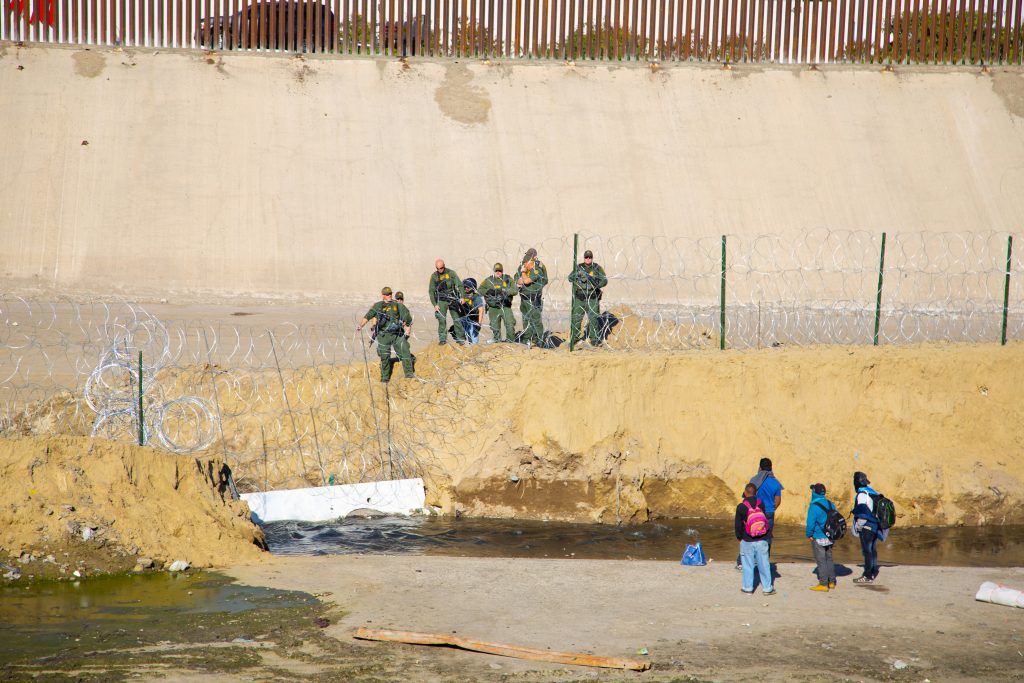
Managing migration requires safe, orderly and regular movement, governed by institutions capable of balancing individual freedom with economic needs and social cohesion (Photo by Humberto Chávez/Unsplash)
- Migration can transform lives and enrich societies. It can also generate genuine pressures and vulnerabilities. The question is not whether migration is “good” or “bad”, but how it can be managed well
Migration is one of the defining forces of the 21st century. It changes economies, reshapes communities, separates families and, for millions of people, offers the possibility of a better life. Yet political debates about migration are often reduced to one blunt question: are you for it or against it?
That is the wrong question.
People have always moved. They move to find jobs, join family members, pursue an education, escape danger or simply look for a better future. Some settle permanently in a new country. Others move several times, maintain close ties with home or eventually return. Migration is not a single experience, and treating it as one only makes public debate more divisive.
The reasons people migrate are also more complicated than a search for higher wages. Family ties matter. So do friends, communities and established migrant networks. A person is more likely to move to a place where someone they know can help them find accommodation or employment. Recruiters, universities and employers can also actively encourage international mobility.
History matters too. Shared languages, old trade routes, colonial relationships and cultural connections have created migration corridors that continue to shape where people move today.
For migrants themselves, the rewards can be enormous. Moving from a poorer economy to a wealthier one can significantly increase a person’s earning potential. Migration can also open doors to better education, healthcare, safer communities and greater personal or political freedoms. For many families, migration is not simply an economic decision; it is a long-term investment in their future.
But the story does not end there.
Migration can expose people to serious risks, particularly when legal protections are weak. Migrant workers may face exploitation by employers, dishonest recruitment agents, smugglers or traffickers. Temporary workers can be especially vulnerable when their right to remain in a country depends on a particular employer. Losing a job in such circumstances can mean losing legal status as well.
The impact of migration is felt just as strongly in the countries people leave behind. Developing countries can lose doctors, nurses, engineers, teachers and other skilled professionals. Smaller towns and rural areas may lose working-age residents, while families can spend years apart.
Yet migration also sends substantial benefits home. Migrants transfer money to relatives, support education and healthcare, invest in businesses and share skills and knowledge. Remittances have become a crucial source of income for millions of households in developing countries. Diaspora communities can also build trade links, create investment opportunities and connect businesses across borders.
In other words, migration creates winners and losers, opportunities and risks. Any serious migration policy has to acknowledge both.
What good migration policy should look like
The starting point should be simple: governments need clear rules and reliable information. Labour migrants should be protected from exploitation, recruitment systems should be properly regulated and overseas qualifications should be recognised efficiently. Temporary migration programmes should also have clear arrangements for returning home or, where appropriate, moving towards longer-term legal status.
Migration policy cannot operate in isolation. If a country welcomes workers but fails to plan for additional demand on housing, schools, transport and healthcare, the resulting pressures will affect migrants and existing residents alike. Good migration management therefore requires coordination with labour-market, housing and infrastructure policies.
There is also no purely national solution to migration. Countries of origin, transit and destination are part of the same system. Cooperation is essential to tackle trafficking, protect workers, improve recruitment practices and create safer, more orderly routes for people who need or want to move.
The answer is not necessarily completely open borders, nor is it completely closed borders. A workable approach lies somewhere between the extremes: safe, orderly and regular migration governed by institutions that can balance individual freedom with economic needs and social cohesion.
Migration will continue to shape the world, whether governments are prepared for it or not. The debate should therefore move beyond slogans and political camps.
The sensible question is not whether migration is good or bad.
It is whether we are managing it well.