Haryana’s Narrow Redefinition Of Aravalli Hills Sparks Conservation Alarm
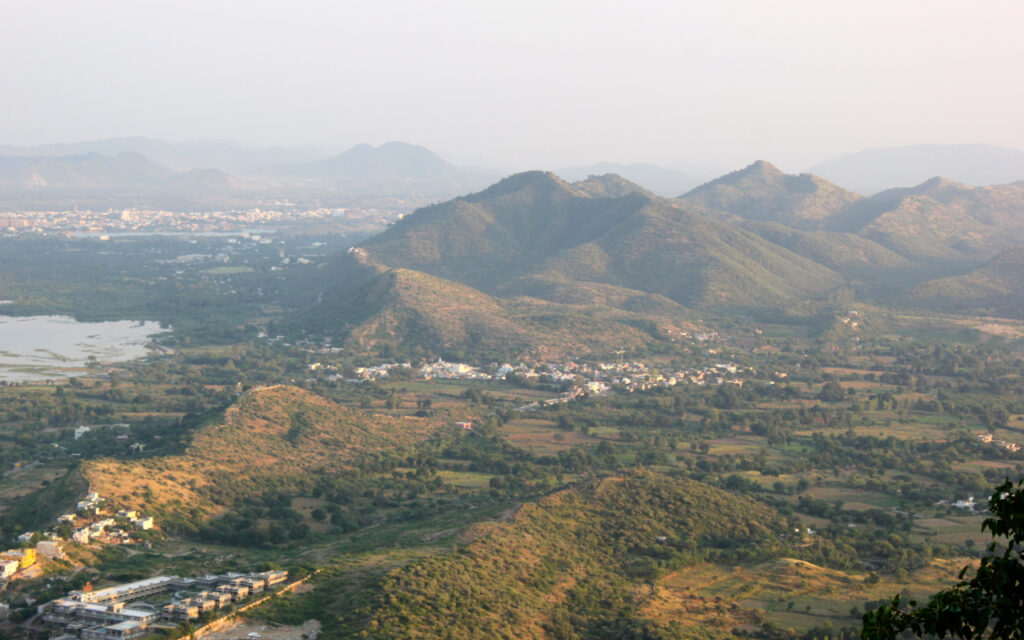
FILE PHOTO: At the heart of the dispute is the government's claim that mining leases cover just 0.19 percent of the Aravalli region
On October 4, the Haryana government quietly revised the official definition of the Aravalli Hills, imposing stringent geological and elevation criteria that environmentalists and forestry experts warn could strip protections from vast ecologically vital areas. The move, notified by the department of geology and mines, limits “Aravalli Hills” to formations rising at least 100 meters above surrounding terrain and composed of rocks at least a billion years old.
This restrictive standard, ostensibly guided by the Geological Survey of India (GSI), exceeds the GSI’s recommendations and mirrors Rajasthan’s mining-oriented criteria—though Haryana claims it’s for conservation. Critics argue it excludes low-elevation ridges and scrub forests crucial to the ecosystem, potentially opening them to real estate and infrastructure development.
The Aravallis, an ancient fold mountain range stretching from Gujarat to Delhi, form a critical green lung for the National Capital Region (NCR). In Haryana, much of the notified forest area in districts like Gurgaon, Faridabad, and Nuh, features undulating terrain below 100 meters. These zones, including spurs of higher ridges, support biodiversity, recharge groundwater, and act as barriers against Thar Desert encroachment.
M.D. Sinha, former conservator of forests in south Haryana, decried the policy as shortsighted. “This change overlooks the importance of the living landscape—the forests, ridges, and wildlife—that depend on this ecosystem for survival, which cannot be evaluated just by the geological age or size of the rocks,” Sinha told reporters. He emphasized that these low-elevation areas prevent desertification and maintain ecological balance for millions in Delhi-NCR.
R.P. Balwan, retired Haryana forest conservator, echoed the alarm, warning of broader repercussions. “The change goes beyond a technical correction—it represents a significant policy shift that could undo decades of legal protections for the Aravalli and the benighted Delhi Ridge, whose vulnerability and denudation the Supreme Court took suo motu cognisance of, a matter still in court,” Balwan cautioned. He highlighted risks to the 1992 Aravalli Notification, which curbs mining and construction, and multiple court rulings safeguarding the range.
The revision’s timing raises suspicions. Haryana’s mines and geology department now solely enforces the definition, prompting conflict-of-interest concerns. Granite, comprising less than 3% of Haryana’s Aravalli terrain but prized for construction, could see expanded extraction if protections shrink. Environmentalists fear this aligns with urban pressures in booming NCR districts.
The Aravalli-Delhi fold belt, with its quartzites, schists, phyllites, dolomites, and marbles, underpins regional hydrology. Low-elevation forests filter water, reduce erosion, and sustain streams feeding the Yamuna and other rivers. Excluding them could exacerbate water scarcity and biodiversity loss in an already stressed landscape.
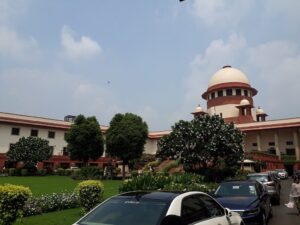
This comes amid Supreme Court directives. In August, the court urged Aravalli-sharing states—Haryana, Rajasthan, Gujarat, and Delhi—to collaborate with the Centre for a uniform definition and protection plan. Haryana’s unilateral step risks defying this, potentially inviting judicial rebuke.
Forestry experts like Sinha stress holistic conservation. “The Aravallis aren’t just rocks; they’re a lifeline for ecosystems and communities. Narrowing their definition ignores this reality and invites disaster,” he added.
As NCR’s urbanization intensifies, the revision could fragment habitats for leopards, hyenas, and birds, while accelerating desertification. Activists demand reversal, calling for inclusive criteria that prioritize ecological integrity over technicalities. With the Supreme Court monitoring, Haryana’s move tests the balance between development and preservation in India’s fragile semi-arid heartland.