26/11 At 18: The Wounds Remain & The Quest For Justice Is Unfinished
Eighteen years on, 26/11 is both a memorial to 166 lives lost and a warning about the price of complacency. Mumbai's courage in the face of terror should never become an excuse for the state to congratulate itself and move on
Eighteen years after ten Lashkar-e-Taiba terrorists turned Mumbai into the site of a 60-hour siege, the anniversary of 26/11 remains more than a day of remembrance. It is an occasion to measure what India has learnt about countering terrorism, how effectively it has strengthened its security institutions, and why accountability for those who planned and enabled the attacks remains elusive.
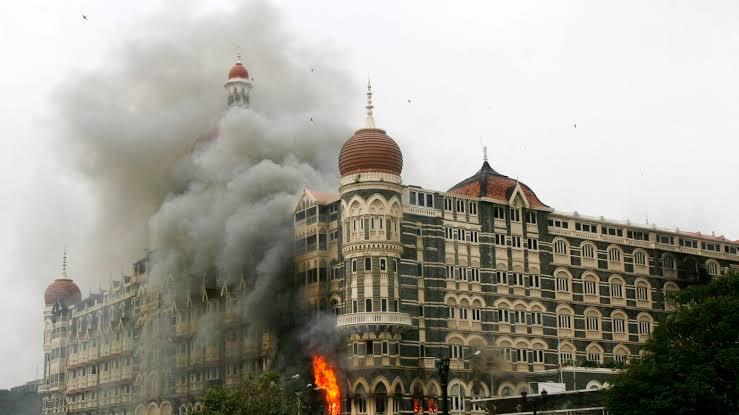
The assault, which began on November 26, 2008, killed 166 people and injured more than 300. Its targets — the Taj Mahal Palace and Oberoi hotels, Chhatrapati Shivaji Maharaj Terminus, Leopold Café, Nariman House and other public locations — were chosen to inflict mass casualties and attract international attention. The attackers arrived by sea, exploited gaps in coastal surveillance and intelligence coordination, and held the city hostage for days.
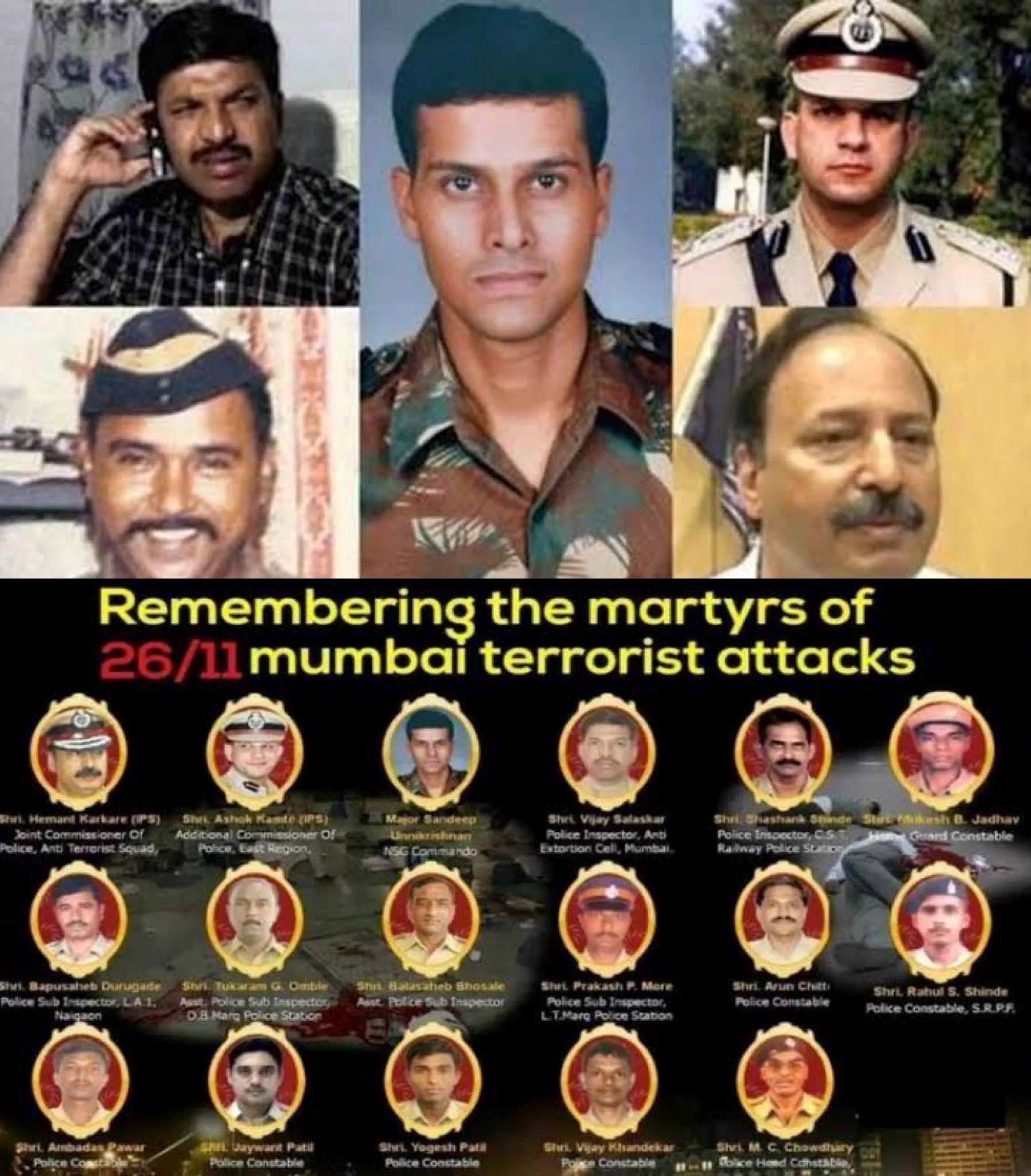
The courage of police officers, security personnel, hotel workers, medical staff and ordinary citizens remains central to the story of 26/11. So, too, does the failure of institutions that had warnings and vulnerabilities to address but did not prevent the attack.
The security architecture has changed, but vulnerabilities persist
The scale of the failure prompted significant changes. The National Investigation Agency was established, the Unlawful Activities (Prevention) Act was strengthened, and regional hubs of the National Security Guard were created to reduce the delays that had hampered the response in 2008. The Navy was made responsible for overall maritime security, while the Coast Guard was tasked with coordinating coastal security in territorial waters. Joint Operations Centres were established, and intelligence-sharing mechanisms were strengthened.

These were necessary reforms, but institutional restructuring is not the same as institutional readiness. Coastal security remains dependent on coordination among the Navy, Coast Guard, marine police, intelligence agencies, port authorities and state administrations. The challenge is not merely collecting intelligence but ensuring that warnings are acted upon, communicated quickly and translated into an effective response. Smaller fishing vessels, gaps in surveillance and uneven capacities among coastal police forces continue to complicate the task.
The human dimension of preparedness also deserves greater attention. The response in 2008 exposed the dangers faced by first responders who were inadequately equipped to confront heavily armed attackers. The creation of specialised forces such as Maharashtra’s Force One was an important step, but ordinary police stations remain the first point of response in most emergencies. Investment in their training, protective equipment, communications and mobility cannot be treated as secondary to elite counter-terrorism units.
Justice remains incomplete
Perhaps the most disturbing unfinished chapter is the pursuit of those who planned, financed and facilitated the attacks. Ajmal Kasab, the only attacker captured alive, was tried, convicted and executed in 2012. David Headley, who conducted reconnaissance of Mumbai before the assault, provided crucial testimony. Tahawwur Rana was extradited from the United States in 2025 to face proceedings in India. Yet several alleged masterminds and handlers remain beyond the country’s reach.
The trial against Zabiuddin Ansari, alias Abu Jundal, is continuing in Mumbai. Meanwhile, proclamation orders against six absconding accused, including Lashkar-e-Taiba founder Hafiz Saeed and commander Zaki-ur-Rehman Lakhvi, remain unserved. The prosecution has acknowledged that efforts to serve the orders through diplomatic channels have not produced a breakthrough.
On November 26, President Droupadi Murmu paid tribute to the victims and security personnel, describing the nation’s resilience as stronger than the violence inflicted upon it. Such remembrance matters, but it must lead to more than ritual assurances.