India Thought It Had Eliminated Kala-Azar Disease, However…
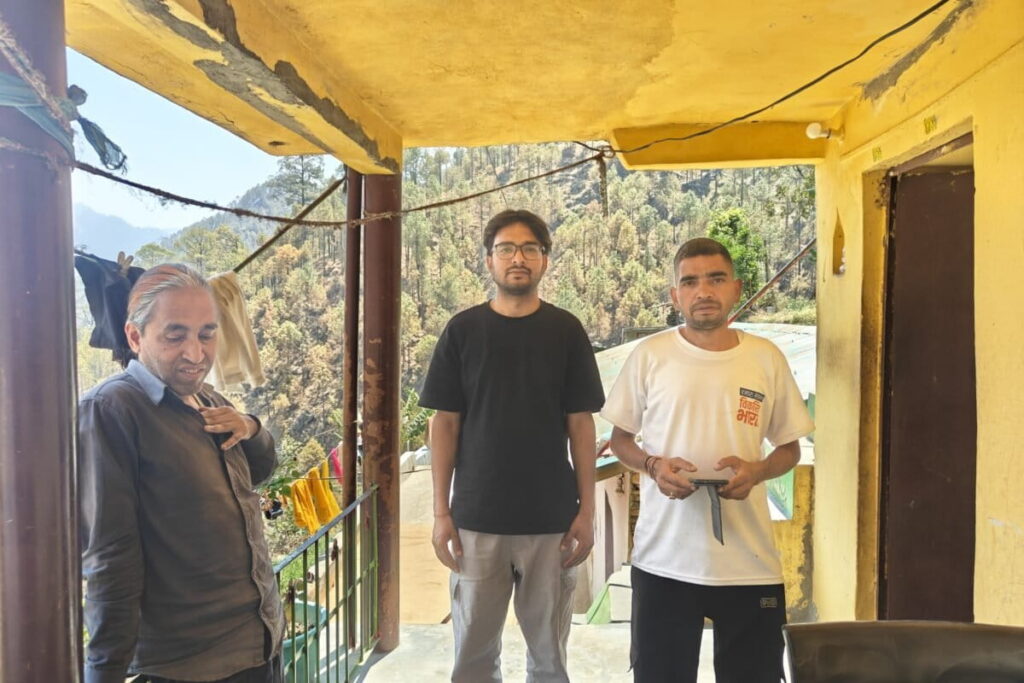
Bhupendra Chauhan (left) was 32 when he first contracted kala-azar in December 2013. Despite treatment, he relapsed six months later (Image by Aatreyee Dhar)
- Kala-azar is emerging in Uttarakhand, including among residents with no travel history to endemic areas, challenging the assumption that the vector-borne disease is confined to hot, humid lowlands.
- Gaps in disease surveillance mean cases diagnosed at hospitals outside Uttarakhand are missing from state records, obscuring the extent of local transmission.
- Changing environmental conditions, livestock as potential sandfly hosts and the spread of sandflies to higher elevations raise questions about how the disease is transmitted beyond endemic regions.
- Although India has made significant progress towards elimination, gaps in surveillance and vector control could undermine these gains, particularly in states not covered by dedicated elimination programmes.
For decades, kala-azar was considered a disease of India’s hot and humid plains, with the cold, dry Himalayan foothills believed to be largely safe. But cases among residents of Uttarakhand with no history of travel to endemic regions are challenging that assumption, raising concerns about changing disease patterns and inadequate surveillance.
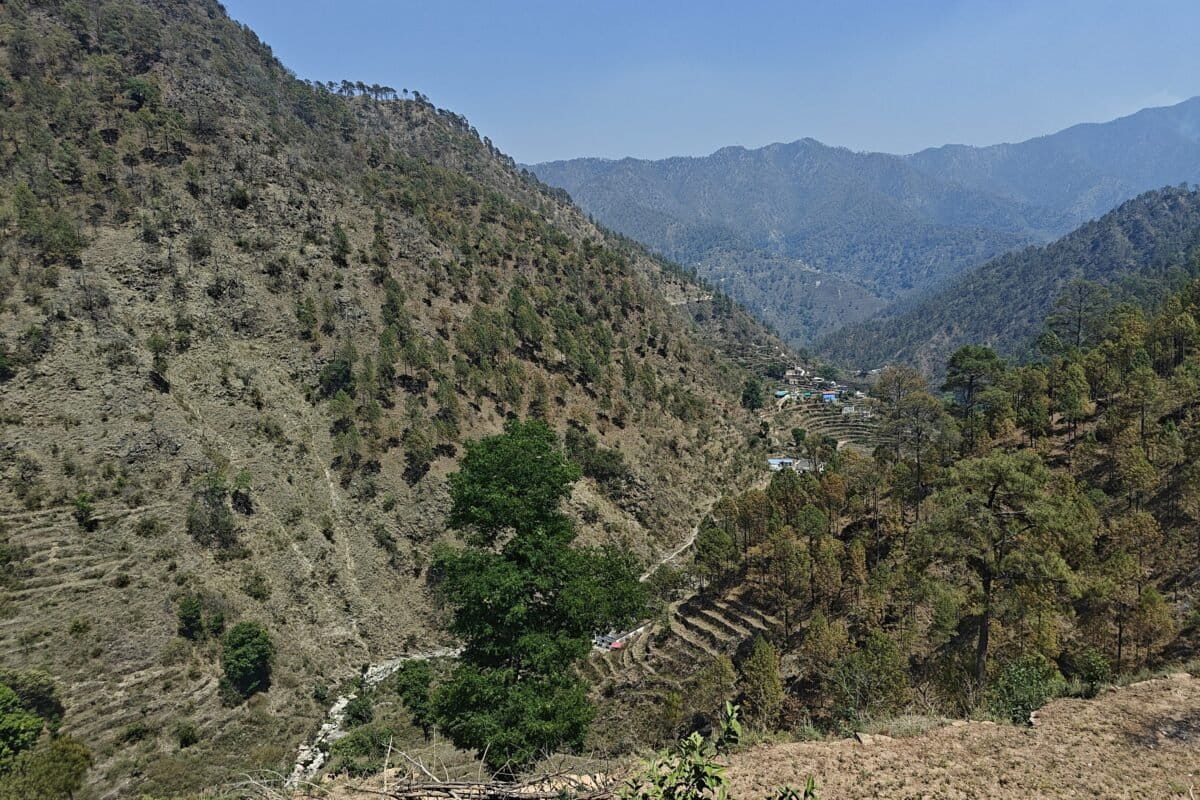
In Chair Talla, a village in Pauri district situated at an altitude of 1,100 metres, a case diagnosed nine years ago was initially believed to be the last known instance of the disease in the state. However, records obtained through a Right to Information (RTI) request reveal that the All India Institute of Medical Sciences (AIIMS), Delhi, treated 33 patients from Uttarakhand between 2016 and 2025.
The cases expose a significant gap in the state’s disease monitoring system. While Uttarakhand’s National Health Mission (NHM) collects information through frontline health workers and public hospitals, patients diagnosed outside the state may never enter its records.
Kala-azar, or visceral leishmaniasis, is caused by the parasite Leishmania donovani and transmitted through the bites of infected female sandflies. If untreated, it can be fatal. Its symptoms include prolonged fever, weight loss, anaemia and enlargement of the liver and spleen.
A changing disease geography
The first indication that kala-azar was appearing beyond its traditional geographical limits came in 2011, when doctors at Sushila Tiwari Hospital in Haldwani identified a case in Uttarakhand’s Kumaon region.
“The first case was an incidental finding,” says Dr. Prabhat Pant of the hospital’s microbiology department. Since the state was not considered endemic, doctors initially did not suspect the disease. A persistent fever prompted a bone marrow examination, which revealed the parasite.
Subsequent cases have made it increasingly difficult to attribute infections solely to migration from endemic regions. Doctors at AIIMS Rishikesh documented seven cases between 2017 and 2019 among residents of high-altitude areas who had not travelled to endemic districts. A 2014 clinical study had also reported infections among children born and raised in Garhwal.
“Last year, we had a case of a woman with no prior travel history,” says Dr. Paramjit Singh of Haldwani hospital’s community health department. “We are getting some cases like this almost every year now.”
Researchers point to rising temperatures and ecological changes as possible reasons for the disease’s spread. Road construction, dam reservoirs and other infrastructure projects may be altering local habitats, while warmer conditions could allow sandflies to survive at higher elevations.
In Nepal, researchers have found Phlebotomus argentipes at elevations of up to 1,764 metres, well above its previously assumed upper limit of around 600 metres.
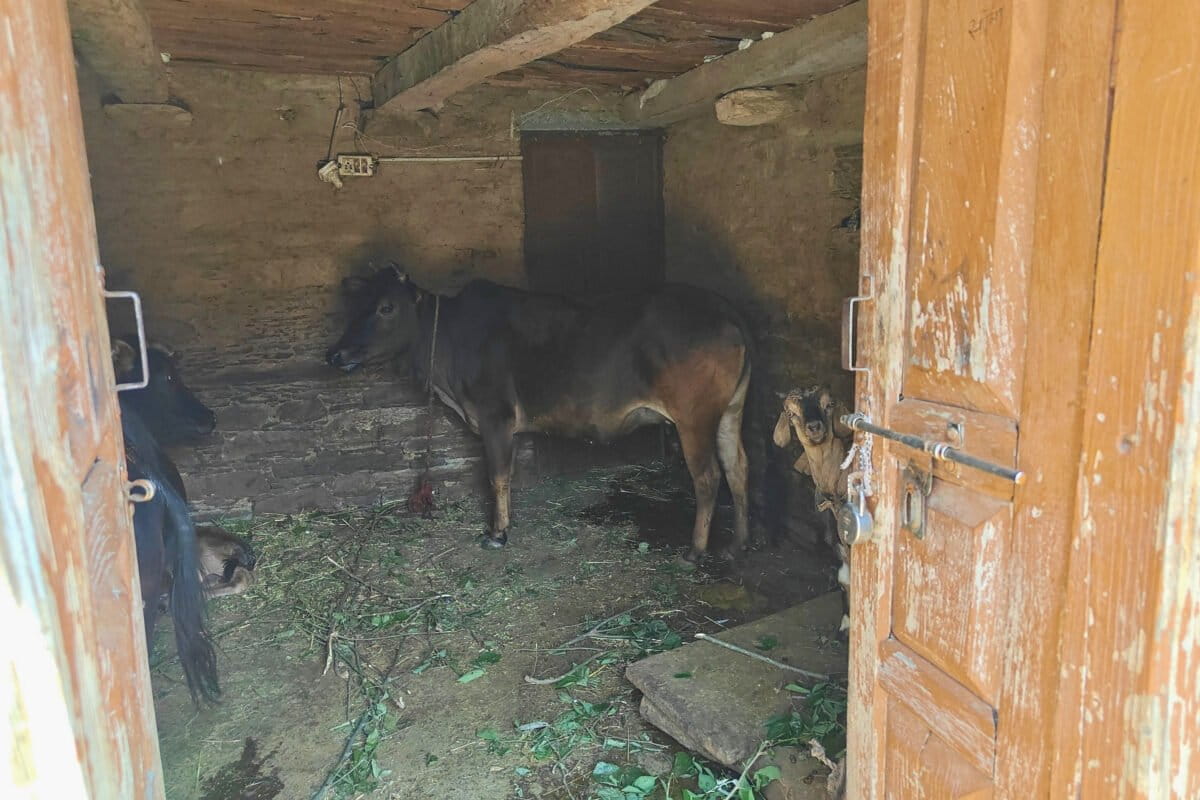
The possibility of animal reservoirs adds another dimension. A study involving researchers from India and the US Centers for Disease Control and Prevention found antibodies against Leishmania in 30% of dogs tested. Although their role in transmitting infection to humans remains uncertain, the study found that sandflies were strongly attracted to livestock and were often more abundant in cowsheds than inside homes.
Dr. Shyam Sundar, a leading kala-azar researcher, suspects animal reservoirs may help explain sporadic infections outside endemic regions. “I think there is a problem with the animal reservoir, and the cases are very sporadic,” he says.
Elimination requires stronger surveillance
The consequences of missed diagnoses are not merely statistical. In Chair Talla, Bhupendra Chauhan spent years visiting hospitals before a bone marrow examination confirmed kala-azar. His family says treatment cost more than ₹12 lakh. Another villager, Ramesh Singh, died in December 2022 after relapsing. Yet his confirmed infection did not appear in the state’s official records.
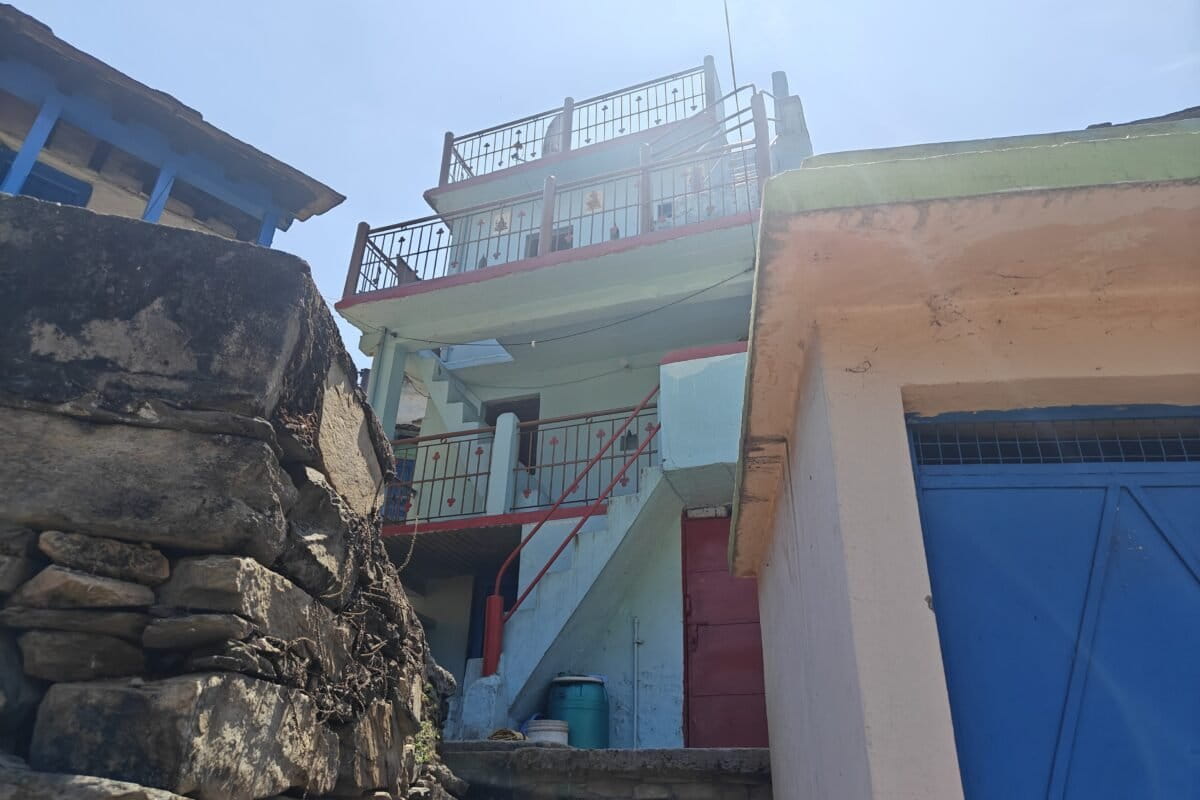
In Pithoragarh, five-year-old Kavita Bisht, who had never left her village, also died after being diagnosed with the disease in 2020. Her family had not known that sandflies could be found around cattle.
India has made progress against kala-azar. However, Uttarakhand is not covered by the dedicated National Kala-azar Elimination Programme. Its cases are handled through broader health structures, and the NHM reported no infections after 2017 despite diagnoses at hospitals outside the state.
Vector control also needs reconsideration. Indoor residual spraying remains central to prevention, but entomologists warn that it may push sandflies towards outdoor habitats and livestock shelters.
“India’s progress towards kala-azar elimination is a major public health achievement, but it is not the finish line,” says Dr. Sanjay Sarin of the Drugs for Neglected Diseases initiative. He stresses the need for integrated surveillance, timely diagnosis, treatment and improved vector control.
India’s elimination gains will remain vulnerable if surveillance stops at administrative boundaries. As kala-azar appears in unexpected locations, recognising local transmission, recording cases across institutions and adapting control measures must become national priorities.