Huang Is Back: When Corporate Power Bows To Political Influence
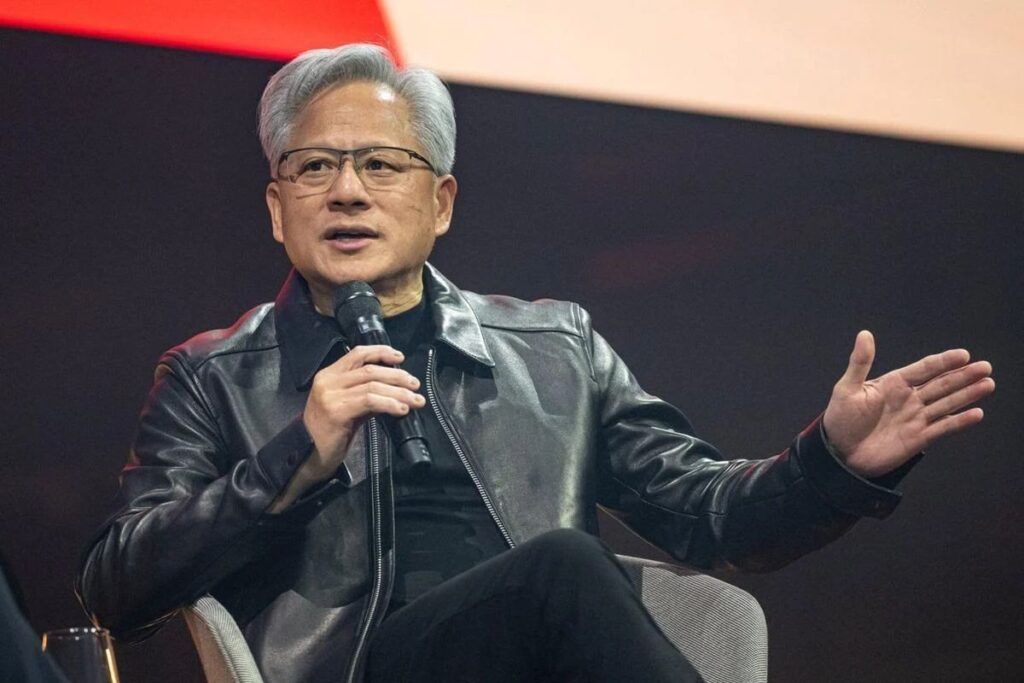
Nvidia's decision to reinstate Jensen Huang reveals a corporate culture comfortable with concentrating power in celebrated individuals, while political leaders intervene when business interests overlap with national ambition
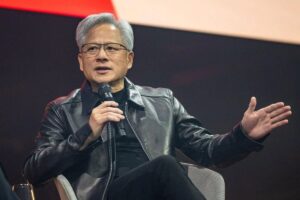
The reinstatement of Jensen Huang as president and chief executive of Nvidia, less than two weeks after his resignation, is more than a dramatic corporate reversal. It is a revealing episode in American capitalism, where the influence of a powerful executive, the interests of shareholders and the priorities of the political establishment can combine to override questions of corporate accountability.
On November 23, Nvidia announced that its board had unanimously reinstated Huang as CEO and board director. The decision followed sustained pressure from US President Donald Trump, who had publicly urged the company’s board to bring Huang back, describing him as indispensable to both Nvidia and the American economy. Trump subsequently acknowledged that he had spoken directly to board members and persuaded them to reconsider their position.
Huang had resigned on November 12 following reports of extramarital relationships, including one with an executive whom US officials reportedly suspect of having links to Chinese intelligence. The allegations raised concerns about national security, corporate governance and the potential vulnerability of a company that occupies a central position in the global artificial intelligence industry. These remain matters under investigation; no conclusion of wrongdoing by Huang has been established.
Yet the speed with which he returned raises an uncomfortable question: do the standards of accountability applied to ordinary corporate executives still matter when a leader becomes too valuable to lose?
The cult of the indispensable CEO
Nvidia is not an ordinary technology company. Its advanced processors power much of the global artificial intelligence boom, making it strategically important to American technological ambitions and economic competitiveness. Huang, who built the company into a dominant force in the semiconductor industry, has become closely identified with its extraordinary rise.
 That dependence on one individual is precisely what makes his reinstatement troubling. A company whose future is presented as inseparable from its chief executive risks allowing personal authority to overwhelm institutional safeguards. The board had initially resisted suggestions that Huang would return, but reversed course after pressure from the White House, investors and influential technology figures.
The market reaction demonstrated the financial stakes. Nvidia shares surged following the announcement, adding enormous value to the company and helping lift the wider US stock market. For investors, the return of a familiar leader appeared to restore confidence in the company’s direction. But a rising share price is not a substitute for sound corporate governance.
The episode reflects a broader feature of US corporate culture: the celebration of the exceptional founder or chief executive, often at the expense of institutional accountability. In Silicon Valley, the mythology of the visionary entrepreneur can become so powerful that scrutiny of personal conduct, conflicts of interest and governance failures is treated as an obstacle to innovation rather than an essential part of responsible leadership.
The return of Huang also invites comparisons with the reinstatement of OpenAI chief executive Sam Altman in 2023, when employee and investor pressure overturned a board decision to remove him. In both cases, the influence of a high-profile executive and the economic interests surrounding a technology company exposed the limitations of supposedly independent corporate oversight.
When the White House enters the boardroom
More concerning still is the direct involvement of the US president in a private company’s leadership decision. Trump did not merely express support for Huang; he acknowledged persuading Nvidia’s board to reinstate him. He argued that the executive’s expertise was vital to America’s technological competition with China and that losing him could benefit a rival country.
This argument places national economic interests above the independence of corporate decision-making. It also raises questions about the boundary between government responsibility and political influence over private businesses. The board’s statement said it had received input from senior levels of the US government and was satisfied that Huang’s return posed no national security risk. Yet the investigation into the circumstances surrounding his departure is continuing.
The apparent convergence of political influence and corporate interests deserves scrutiny. Trump has a publicly disclosed financial stake in Nvidia, while the company has contributed to a White House ballroom project. Although the administration says the president’s investments are independently managed, the circumstances make transparency particularly important.