Umar Khalid And Sharjeel Imam’s Long Wait For Bail…
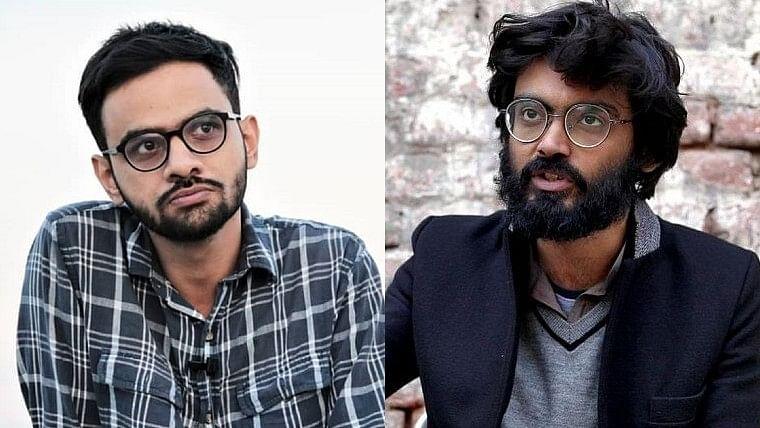
Umar Khalid (left) and Sharjeel Imam were arrested in 2020 for their alleged involvement in a conspiracy to orchestrate the communal violence that broke out in northeast Delhi during protests against the Citizenship (Amendment) Act, 2019
- Since 2021, Umar Khalid has made at least nine regular-bail filings and Sharjeel Imam at least six in the conspiracy case, counting trial-court applications and appeals separately
- Khalid’s lawyer said he had spent more than six years in custody. The Supreme Court said it would hear Delhi Police before considering interim bail for either activist
- A new three-judge bench will take up the pleas amid differing readings of a Supreme Court ruling on whether prolonged detention and trial delays can justify bail under the UAPA
The latest bail appeals of Umar Khalid and Sharjeel Imam in the alleged conspiracy behind the February 2020 Delhi riots have once again brought into focus a troubling question about the criminal justice system: how long can individuals remain imprisoned without trial reaching a meaningful conclusion? More than six years after their arrest, the two activists are still fighting for release, with the Supreme Court yet to decide whether their prolonged detention warrants interim relief.
On Wednesday, the Supreme Court asked the Delhi Police to respond to their appeals challenging the Delhi High Court’s refusal to grant regular bail. It deferred consideration of their requests for interim release and directed that the matter be placed before the Chief Justice of India for the constitution of a new three-judge bench.
The hearing before Chief Justice of India Surya Kant and Justices Joymalya Bagchi and V Mohana underscored the continuing legal uncertainty surrounding bail under the Unlawful Activities (Prevention) Act (UAPA), particularly when investigations and trials stretch over years.
Senior advocate Kapil Sibal, appearing for Khalid, told the bench that his client had spent “more than six years in custody”. He also drew attention to interim bail granted to a co-accused in the same case, arguing that Khalid should receive similar consideration. Senior advocate Siddharth Dave, representing Imam, also sought comparable relief, referring to the Supreme Court’s January ruling that had laid down conditions under which the two could renew their bail applications.
Solicitor General Tushar Mehta, appearing for Delhi Police, said the May reference concerning bail under the UAPA arose from the same FIR. The court chose to hear the police response before proceeding further.
The decision to constitute another three-judge bench is significant. It comes amid differing interpretations of the Supreme Court’s own jurisprudence on whether prolonged incarceration and delays in trial can override the stringent restrictions imposed by the UAPA.
Repeated bail pleas, but no resolution
The history of the two activists’ bail applications illustrates the length of the legal battle. Court records and published case histories indicate at least nine regular-bail filings by Khalid and six by Imam since 2021, counting trial-court applications and appeals separately. These figures relate to the conspiracy case, FIR 59/2020, and exclude interim-bail requests and proceedings in other cases.
Khalid first sought regular bail in 2021. His application was rejected by the trial court and the Delhi High Court in 2022. He withdrew his challenge before the Supreme Court in 2024, only to begin another round of proceedings that year. His subsequent applications were rejected by the lower courts, and the Supreme Court denied him bail in January 2026.
Imam’s first regular-bail application also dates to 2021. The trial court rejected it in April 2022, followed by the Delhi High Court in September 2025. The Supreme Court refused his appeal in January 2026. Both activists have since renewed their bids through the trial court, the High Court and the Supreme Court.
The repeated proceedings raise questions about the practical meaning of the right to liberty when a case remains unresolved for years. Bail hearings may provide periodic judicial scrutiny, but they cannot substitute for a timely trial.
The UAPA and the constitutional question of liberty
The latest appeals also revisit the Supreme Court’s January 5, 2026, decision. While granting bail to five co-accused, the court refused relief to Khalid and Imam, allowing them to apply again after the prosecution’s protected witnesses had been examined or after a year had passed, whichever came first.
The activists now argue that the examination of these witnesses is unlikely to be completed before January 5, 2027, and that their years in custody should be sufficient grounds for release.
At the heart of the dispute is the 2021 Supreme Court judgment in Union of India v K.A. Najeeb. It recognised that prolonged incarceration and unreasonable delays in trial could justify bail even under the UAPA, whose provisions impose formidable restrictions on the granting of relief. A two-judge bench referred the issue to a larger bench on May 22 after differences emerged over how this precedent should be applied.
The larger question goes beyond the individual cases. Anti-terror legislation may impose a high threshold for bail, but it cannot make incarceration without a timely trial an indefinite consequence of accusation. The presumption of innocence and the constitutional guarantee of personal liberty do not disappear simply because a prosecution invokes stringent security laws.
The Supreme Court must balance the seriousness of the allegations against the state’s obligation to prosecute cases without unreasonable delay. Asking the police to respond is procedurally necessary; allowing the matter to drift through repeated hearings would deepen the very concern the court is being asked to address.
For Khalid and Imam, another bench means another stage in a prolonged struggle for liberty. For the justice system, the case is a test of whether constitutional protections retain force when the state invokes extraordinary powers.