How Climate Change Is Threatening Sugarcane Yields Across Deccan
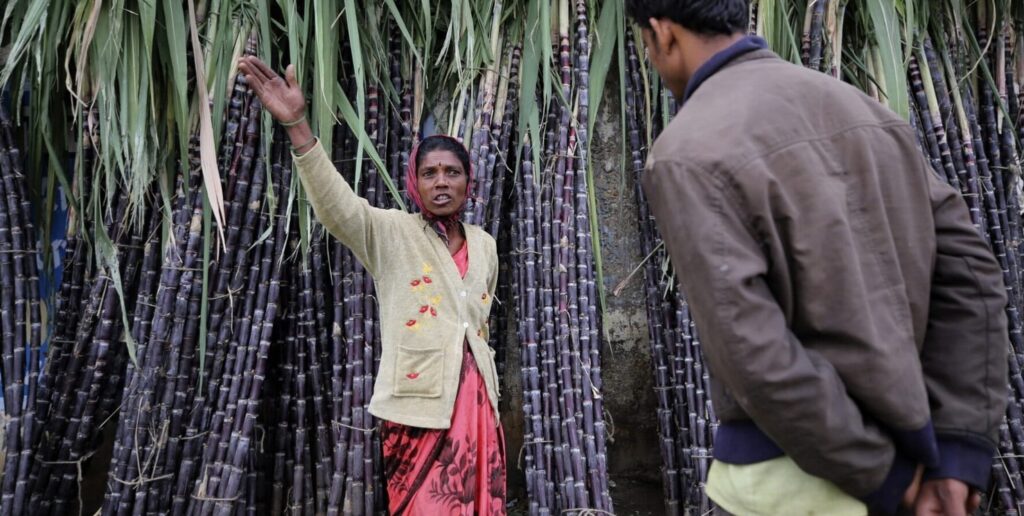
A buyer bargains with a sugarcane vendor in Maharashtra (AP Photo/Aijaz Rahi)
- A new study tracked sugarcane production trends across five districts in Maharashtra and Karnataka between 1999 and 2021, finding significant yield gains in Ahmednagar and Nashik.
- Researchers found that productivity growth was often driven more by yield improvements than expansion of cultivated area, suggesting a growing role for irrigation, crop management and technological interventions.
- The study also linked drought, moisture stress and heat exposure with poorer sugarcane yields, highlighting rising climate risks for water-intensive farming systems in semi-arid regions.
Sugarcane cultivation across India’s Deccan Plateau has become more productive over the past two decades, but the gains are increasingly being threatened by climate variability, according to a new long-term study that examined production trends across parts of Maharashtra and Karnataka.
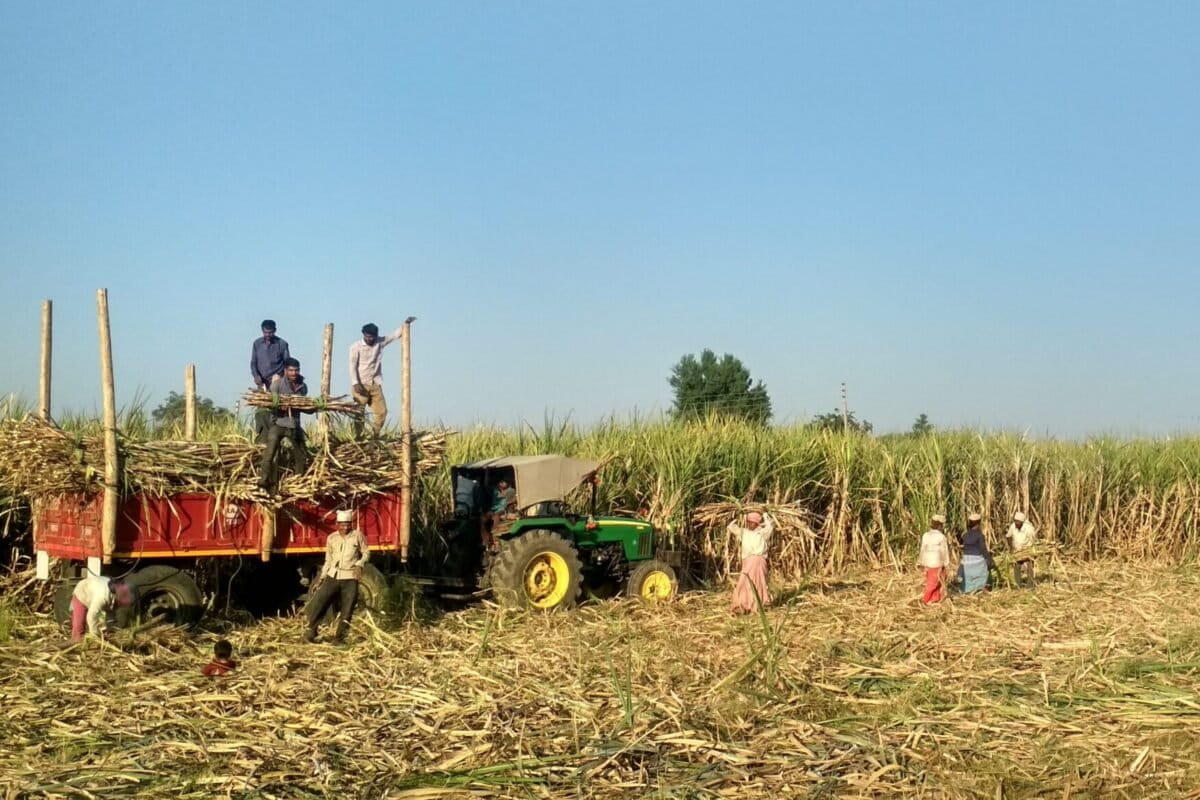
The research tracked sugarcane cultivation between 1999 and 2021 across five districts—Ahmednagar, Nashik and Solapur in Maharashtra, and Bellary and Dharwad in Karnataka—to understand how changing weather patterns have influenced crop yields, production and cultivation area over time. The findings suggest that while technological improvements and better farm management have helped increase productivity in several districts, rising temperatures, drought and moisture stress are making sugarcane cultivation increasingly vulnerable.
Sugarcane remains one of India’s most economically significant crops, supporting millions of farmers while supplying raw material for sugar production, ethanol blending and bioenergy. However, its heavy dependence on water has placed it at the centre of growing concerns over groundwater depletion and climate resilience, particularly in semi-arid regions.
“We noticed that sugarcane cultivation in Maharashtra and Karnataka was increasingly being affected by climatic variability, even though it remains one of the most important economic activities across the Deccan Plateau,” said Krishna Kumar from the Department of Applied Science and Humanities at MIT-ADT University, Pune, and one of the study’s researchers.
The researchers noted that although sugarcane production has been widely studied at national and state levels, detailed long-term district-level assessments incorporating weather variability have remained limited.
“The main concern was to pin down how climate variability impacts agricultural production in water-limited sugarcane systems,” Kumar said. “This kind of insight matters a lot for creating climate-resilient agricultural policies and planning better infrastructure.”
The five districts included in the study represent different agro-climatic zones of the Deccan Plateau. Bellary and Solapur are among the driest regions, receiving less than 780 millimetres and around 500 millimetres of annual rainfall, respectively. Ahmednagar and Nashik lie across scarcity and plains zones that receive between roughly 500 mm and 1,200 mm of rainfall annually, while Dharwad falls within a relatively wetter transition zone.
“State averages often mask major differences between districts,” Kumar said. “Sugarcane performance in semi-arid regions is highly location-specific.”
Researchers analysed three key indicators—cultivation area, total production and yield per hectare—using crop production data from the Directorate of Economics and Statistics and weather records from the India Meteorological Department. The 22-year analysis was divided into three phases: 1999-2006, 2007-2013 and 2014-2020, allowing researchers to identify long-term changes in productivity.
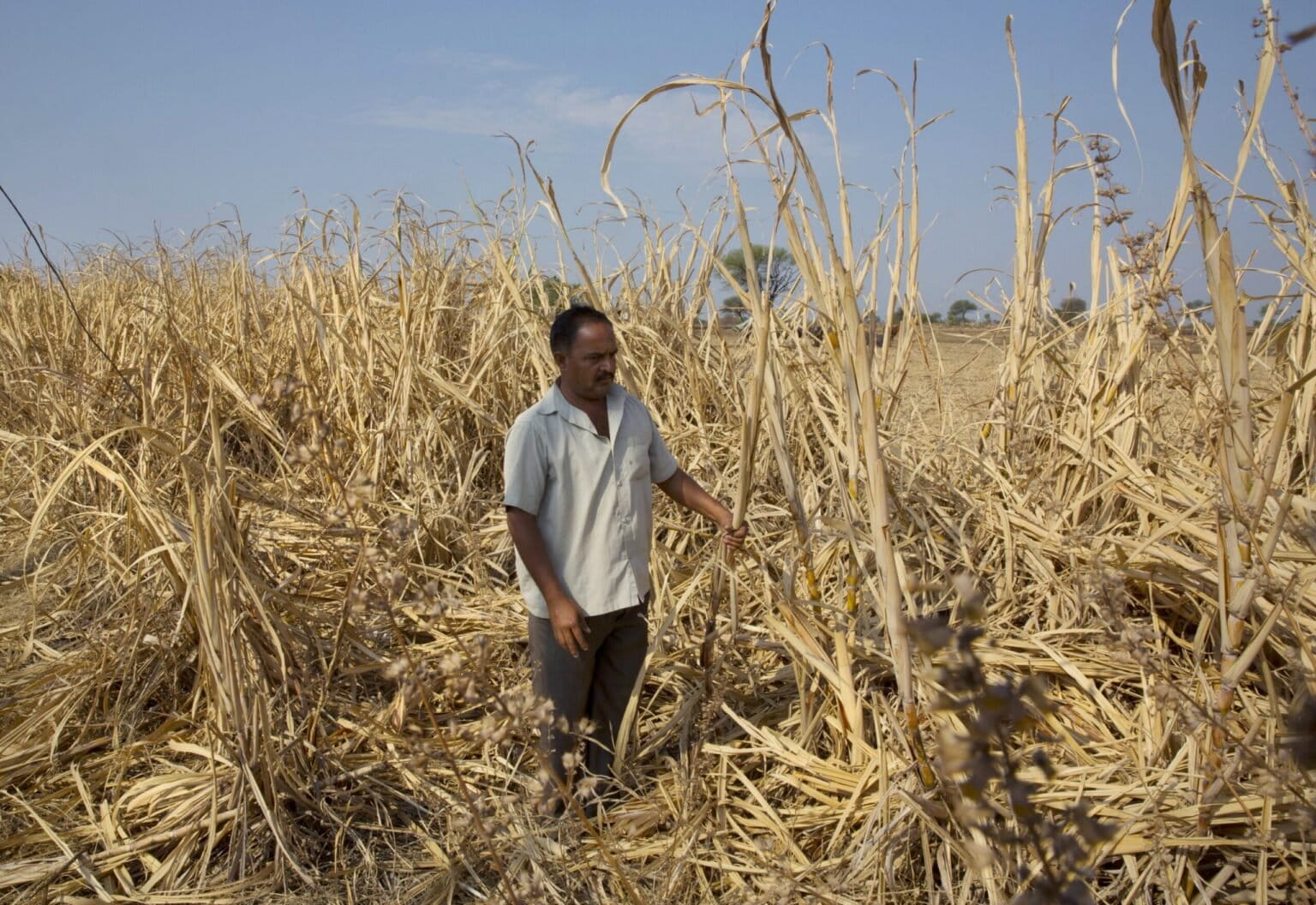
Among the districts studied, Solapur recorded the largest average cultivation area, covering nearly 117,000 hectares and producing about 10 million tonnes of sugarcane annually. Bellary registered the highest average yield at nearly 90 tonnes per hectare, while Dharwad recorded the lowest average yield of around 69 tonnes per hectare.
Some districts, however, showed particularly strong improvements in productivity. Ahmednagar registered an annual yield increase of approximately 1.12 tonnes per hectare, while Nashik recorded an annual increase of about 1.08 tonnes per hectare.
“The yield gains seen in Ahmednagar and Nashik seem to be driven by a mix of factors,” Kumar explained. “The trends may reflect improvements in irrigation, water management and farming practices over time.”
The improvements were especially visible when comparing different phases of the study. In Ahmednagar, average sugarcane yields rose from around 69 tonnes per hectare during 1999-2006 to nearly 87 tonnes per hectare between 2014 and 2020. Nashik experienced an even steeper increase, with yields climbing from about 69 tonnes per hectare to nearly 89 tonnes per hectare over the same period.
Bellary maintained consistently high productivity throughout much of the study period, although researchers did not observe a statistically significant upward trend. Dharwad, by contrast, displayed greater fluctuations, with yields declining during the middle phase before recovering later.
One notable finding was that sugarcane yields generally remained more stable than either cultivated area or total production. The researchers observed sharper fluctuations in cultivation area across several districts, suggesting that farmers may have adjusted planting decisions based on water availability and irrigation conditions.
“In several districts, production growth happened mainly because yields improved, rather than because more land was brought under cultivation,” Kumar said.
The researchers believe improved crop varieties, better fertiliser use and more efficient field management practices contributed significantly to the observed productivity gains.
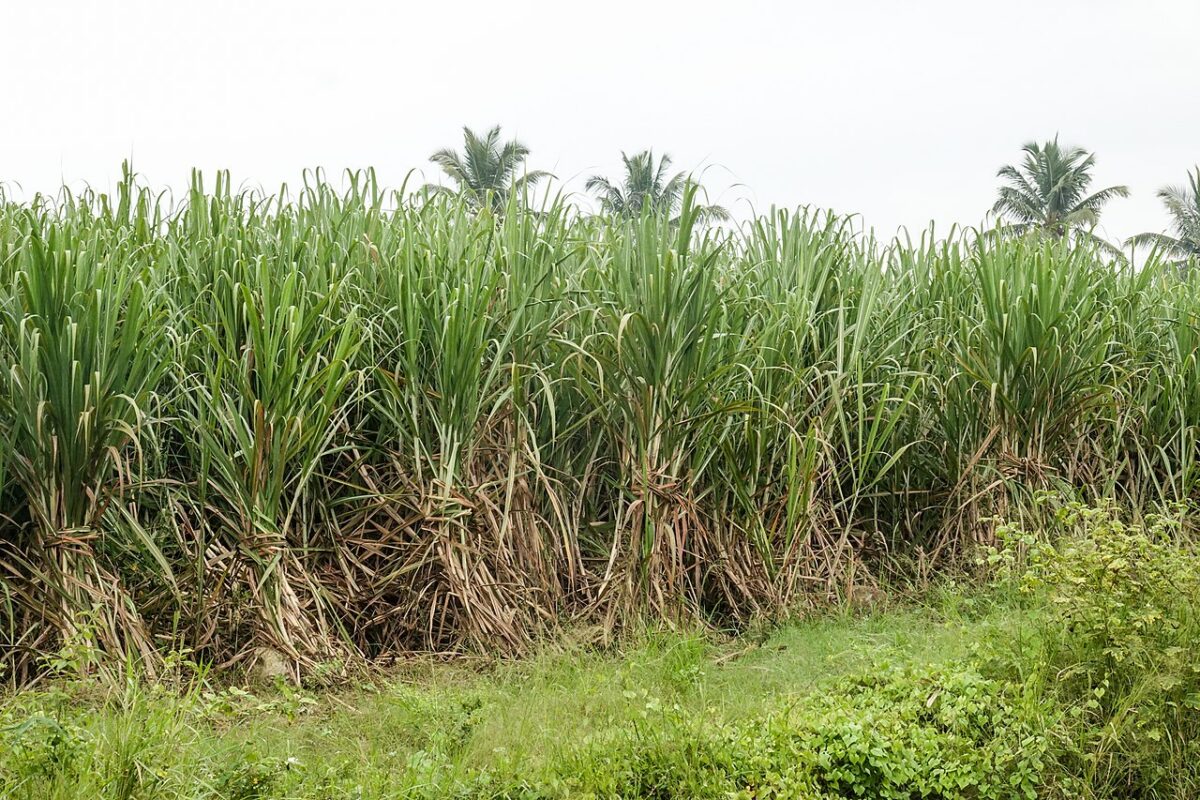
Despite these advances, climate-related risks remained a recurring factor across all study regions. Extreme weather events, including droughts and prolonged heatwaves, continued to produce sharp swings in sugarcane yields.
Ahmednagar illustrated this variability most clearly. The district recorded its lowest sugarcane yield—47 tonnes per hectare—in 2003-04 during a drought-affected year. By contrast, favourable weather conditions helped push yields to 108 tonnes per hectare in 2020-21.
The researchers found that years characterised by lower rainfall deficits and fewer heat-stress days generally produced stronger harvests, while drought conditions and extended periods of high temperatures were closely associated with lower productivity.
“The drought index, moisture adequacy index, and heat stress days are strongly related to sugarcane yields in the study districts,” Kumar said.
The study found that Ahmednagar experienced an average drought index of around -0.79 along with nearly 89 heat-stress days during each crop year. Solapur faced even harsher climatic conditions, recording approximately 127 heat-stress days annually.
According to the researchers, these trends suggest that sugarcane farming in water-limited regions faces moderate to high vulnerability as climate change intensifies.
“Warming temperatures are projected to push up crop water requirements and also increase the chance of yield losses under water-limited conditions,” Kumar warned.
Independent expert Priyanka Singh, senior scientific officer (chemistry) at the Uttar Pradesh Council of Sugarcane Research, said the findings broadly reflected trends already emerging across India’s major sugarcane-producing regions.
“There is increasing evidence that prolonged dry spells, erratic monsoon distribution, higher temperature episodes and water stress are affecting cane productivity,” Singh said.
However, she cautioned against interpreting the findings as a sign that sugarcane cultivation has become unviable.
“The broader national trend is not simply declining sugarcane productivity due to climate change, but increasing variability and increasing dependence on efficient management,” she said.
Singh noted that many sugarcane-growing regions have already begun adopting climate-smart interventions such as drip irrigation, fertigation, improved irrigation scheduling and stress-tolerant crop varieties to reduce climate risks. She also pointed out that meteorological data remained limited in some districts, particularly Bellary and Dharwad, which should be considered while interpreting the climate analysis.
Even with these limitations, researchers believe the study offers valuable guidance for agricultural planning in water-scarce regions. “The evidence supports that climate-smart agriculture practices, efficient irrigation systems, and drought contingency measures will matter more and more,” Kumar said.