Heat Plans Must Account For Age And Gender, Says UN Women Paper
The report calls for greater focus on protecting older adults (45 and above) from the impacts of extreme heat. Heat exposure is associated not only with mortality but also with serious cardiovascular outcomes
- A new report highlights the age and gender-differentiated impacts of heat stress.
- The paper calls for a greater understanding of how people across demographics bear the brunt of extreme heat.
- There is a need for more data from India on how vulnerable populations such as older adults, women and adolescents are impacted by heat.
India witnessed yet another record-breaking summer this year. As scorching temperatures become the new norm, a new technical paper calls for a more granular understanding of gender and age-specific risks of heat stress.
The paper, Gender-differentiated and age-specific risks of heat stress in a warming world: Implications for equality and resilience, by Venge Nyirongo, Deputy Chief of Economic Empowerment and Policy Advisor for Sustainable Development at United Nations (UN) Women, highlights that heat stress affects men, women, children, adults and older people differently.
Nyirongo explains that biological responses vary between men and women. While men have higher sweat rates than women, mortality from heat stroke and heat-related cardiac events is significantly higher among men.
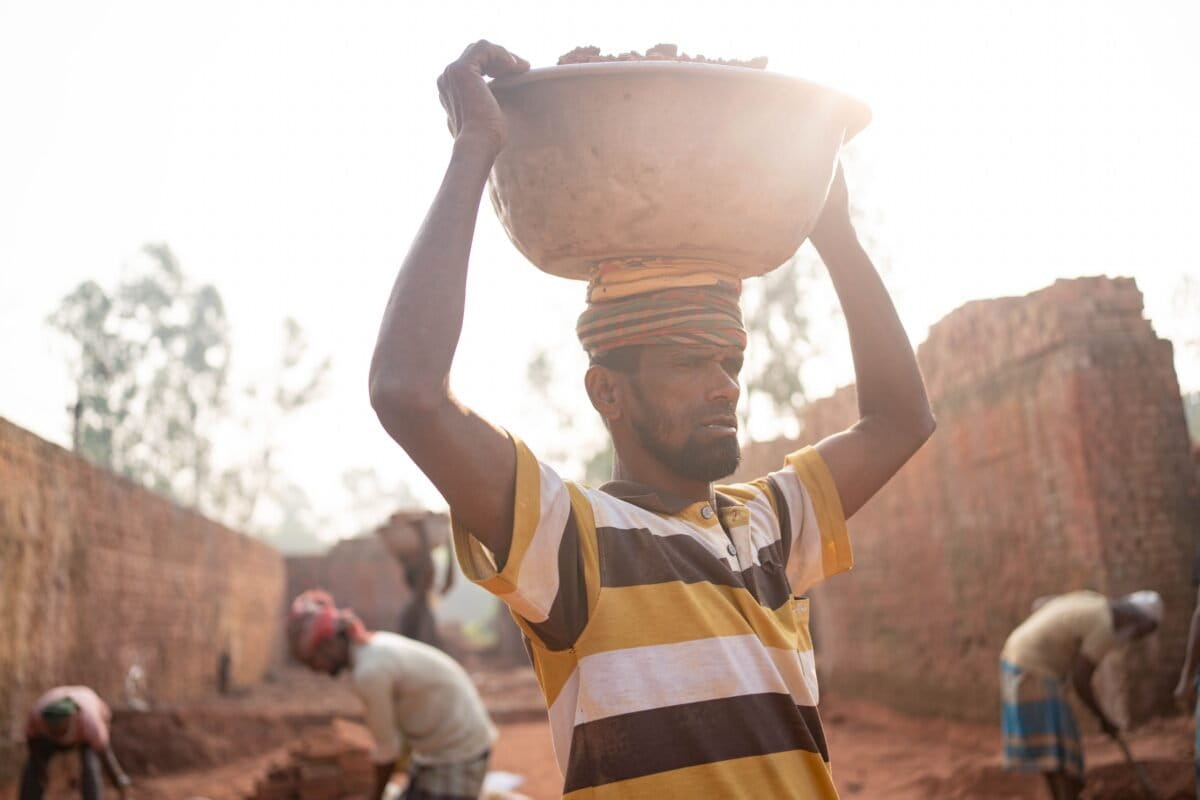
Heat impacts also emerge from the interaction of biological differences and gendered social roles, notes the paper. Strenuous physical work performed outdoors, primarily by men, raises internal body temperatures, placing them at greater risk of heat-related illnesses.
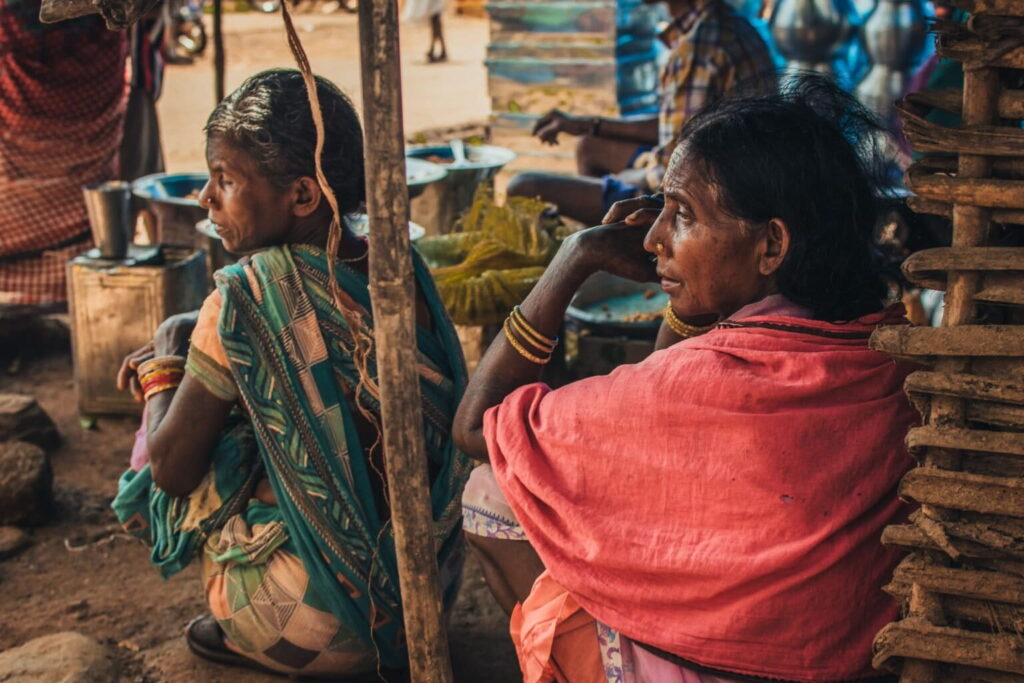
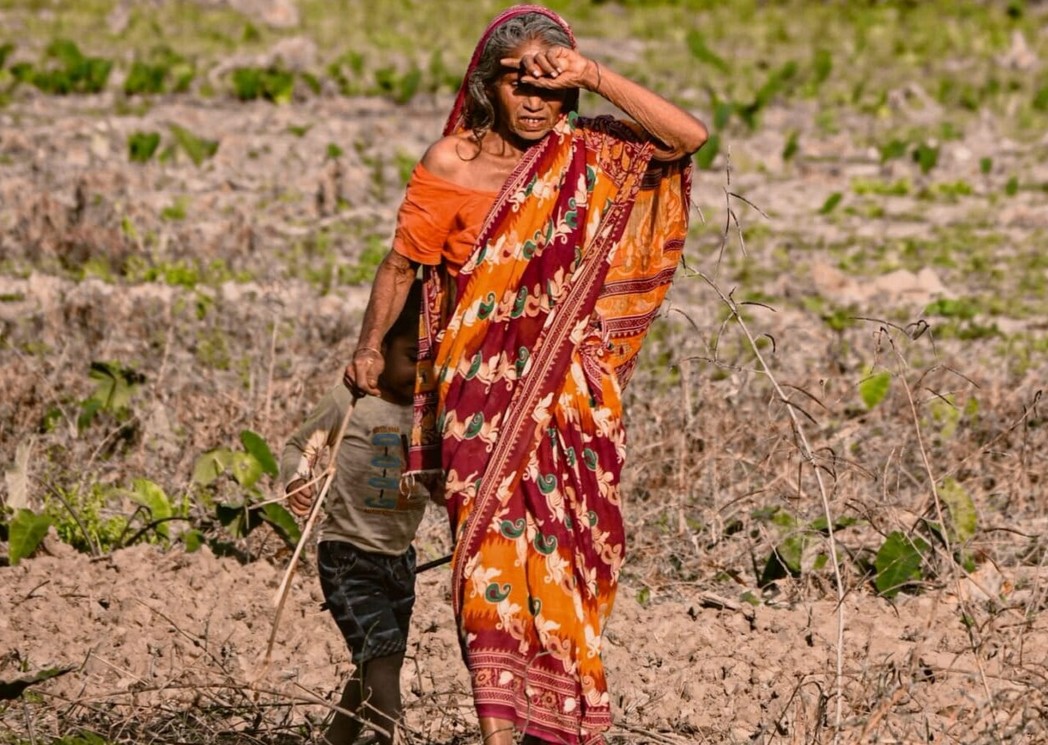
For women, the paper notes, the impacts of passive heat exposure experienced indoors during heatwaves are a significant concern. It also points out that much of the agricultural work undertaken by women, such as transporting water or watering seedlings, is carried out during the hottest parts of the day, often without sufficient knowledge about heat impacts or access to cooling measures.
“These patterns likely reflect both biology and social behaviour,” writes Nyirongo. He stresses the need for more data collection, monitoring and research to develop targeted heat adaptation measures across different demographic groups.
“The paper underscores that a significant proportion of women’s heat exposure occurs in unpaid or underreported activities, which are rarely captured in conventional labour or climate data systems. To address this, measurement approaches need to move beyond formal employment metrics and incorporate time-use and activity-based data,” shares Nyirongo.
Adaptive action plans needed
The report comes at a crucial time when heatwaves are becoming more intense across India, making it imperative to move beyond generic responses and towards more targeted, inclusive, and evidence-based ones for heat stress mitigation, shares Nyirongo in an email interview with Mongabay-India. “This includes investing in gender specific data systems, recognising and reducing the burden of unpaid and informal work, and ensuring equitable access to resources, services, and adaptive technologies,” he adds.
India currently has operational Heat Actions Plans (HAPs) across 250 cities and districts in 23 heat-prone states. However, Siji Chacko, Head — Climate Innovation and Resilience at the Migration Resilience Collaborative, an initiative working to strengthen social protection and resilience for migrant workers, shares that these plans need to account more closely for the vulnerabilities of specific population groups that bear the brunt of extreme temperatures. “While these aspects are considered to a certain extent, there needs to be greater emphasis on co-creating solutions with communities and continuously evaluating what works,” he adds.
Solutions tailored to demographics
For India, Nyirongo says the report highlights how social and economic realities shape exposure to extreme heat.
“Women and girls in many developing countries, including India, face differentiated exposure due to their disproportionate participation in informal and climate-exposed sectors such as smallholder agriculture, food processing, and water and fuel collection. These roles often involve prolonged outdoor or poorly ventilated indoor work under high temperatures,” he says.
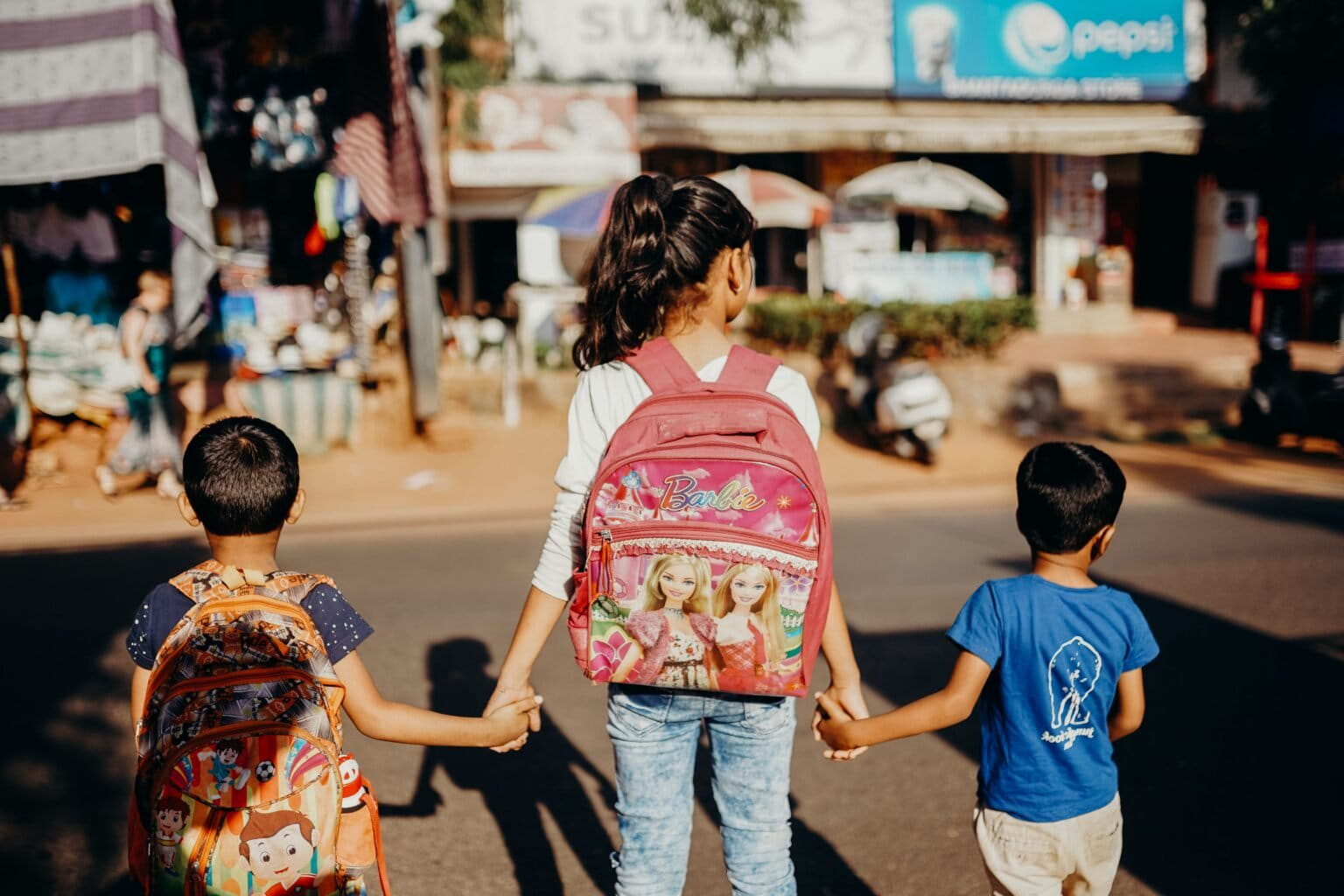
He adds that adolescents represent a distinct risk group that requires targeted interventions. “While this necessitates investing in heat-resilient design to improve school infrastructure and providing supportive measures such as access to shaded areas and safe drinking water, it also requires targeted outreach for adolescents who are out of school and engaged in labour or household responsibilities.”
The need for a more comprehensive understanding of heat stress has also been highlighted by other studies. A 2025 study on the impacts of heatwaves on schoolchildren in Munirka, Delhi, found that children experienced heat-related exhaustion and cramps, along with difficulties in concentrating and participating in outdoor sports.
The study also showed that schools were inadequately equipped with cooling infrastructure and lacked preparedness for emergencies related to extreme temperatures.
Lack of data on heat stress and the elderly
Another key observation in the paper is the need for greater focus on protecting older adults from the impacts of extreme heat.
A 2026 study found that long-term exposure to extreme heat was positively associated with stroke among older Indian adults (45 years and above). “Our study shows that heat exposure is associated not only with mortality but also with serious cardiovascular outcomes such as stroke among older adults,” says Pallavi Joshi, co-author of the study and associate fellow and area convener, Environment and Public Health, Climate Change and Air Quality Program, The Energy and Resources Institute (TERI), New Delhi.
“Older individuals have reduced thermoregulatory capacity, a higher prevalence of chronic conditions such as hypertension and diabetes, and often limited mobility or social support during extreme weather events. Yet most Heat Action Plans are not explicitly designed around ageing populations,” she adds.
While age and gender-specific vulnerabilities form the crux of the report, Nyirongo also notes that geography and the limited adaptive capacities of certain countries can further worsen existing inequalities.
Another research by Joshi highlights the importance of accounting for regional climatic differences. “In our research, we found significant differences in mortality risk across climatic zones, with some humid regions experiencing substantial health impacts even when temperatures were lower than those typically associated with heatwaves,” she says, adding that India’s climatic diversity makes the implementation of Heat Action Plans (HAPs) challenging.
“The health risks associated with heat in Chennai, Delhi, Assam, Rajasthan or central India are not identical. Local adaptation strategies are therefore essential.”
She adds that urban form and housing quality are other critical factors. “Instead of a single national threshold, we need climate-zone-specific warning systems and risk assessments.”
Access to cooling solutions
Chacko says these considerations are equally important when adopting mitigation measures, as highlighted in the National Disaster Management Authority’s framework for managing heatwaves. “If cooling centres are located in crowded spaces and are used mainly by men, women may be less likely to access them. Gender sensitivity must be factored in at every stage of heat mitigation,” he says.
He adds that even within recognised labour segments, greater sensitisation of stakeholders is necessary. “For gig workers, for instance, peak delivery hours often coincide with the hottest periods of the day. This makes it crucial for organisations and platforms to understand how heat affects workers’ health, safety and productivity.”
Joshi says the future of heat adaptation in India is not just about forecasting hotter days but also about identifying and protecting vulnerable populations. “As climate change and population ageing progress simultaneously, protecting older adults and other at-risk groups must become a central component of climate-resilient public health planning,” she adds.
(Published under Creative Commons from Mongabay-India)