Donald Trump: The Most Volatile POTUS Ever
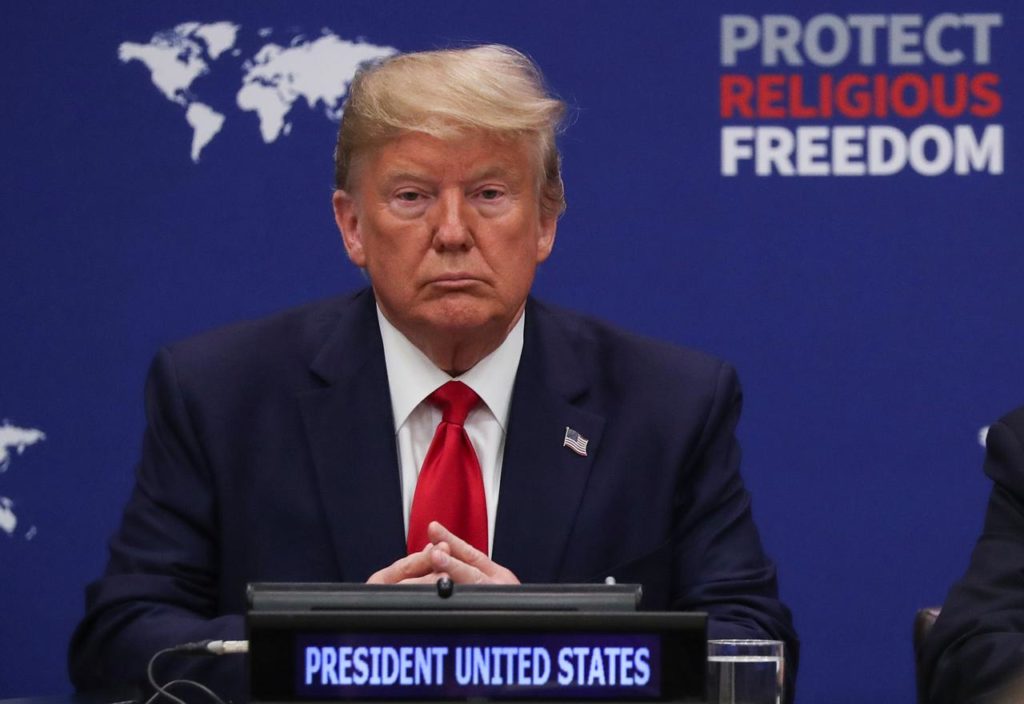
Critics and observers across the political spectrum have often described Donald Trump's presidency as volatile— characterized by unpredictability, rapid changes in direction, and decisions that frequently challenged established diplomatic and political conventions
The presidency of Donald Trump marks one of the most unconventional and controversial periods in the modern political history of the United States. From the outset of his first term as president in 2017, Trump’s leadership style diverged sharply from the norms traditionally associated with American presidents. His approach to governance, diplomacy, and domestic politics frequently combined abrupt policy shifts, confrontational rhetoric, and a strong emphasis on personal authority. Critics and observers across the political spectrum have often described his presidency as volatile— characterized by unpredictability, rapid changes in direction, and decisions that frequently challenged established diplomatic and political conventions.
Understanding why Trump’s presidency is frequently described as the most volatile in U.S. history requires examining both his leadership style and several key policy decisions that had global repercussions.
A Leadership Style Defined by Unpredictability
One of the most notable features of Trump’s presidency is his highly personal approach to policymaking. Unlike many previous presidents who relied heavily on institutional processes and long-standing diplomatic protocols, Trump often makes decisions quickly and publicly, sometimes through social media platforms such as Twitter (now known as X). Major announcements regarding foreign policy, personnel changes, and even military matters occasionally appear in tweets before being formally communicated through government channels.
This style creates uncertainty within both the U.S. government and among international allies. Cabinet officials and advisors are frequently replaced, sometimes after public disagreements with the president. High-profile departures include figures such as Rex Tillerson and John Bolton, both of whom left their positions following reported policy conflicts with Trump. The rapid turnover in senior positions contributes to a perception that policymaking under Trump is less stable than under many previous administrations.
Disruptive Approaches to Global Alliances
Trump’s volatility is particularly evident in his treatment of traditional international alliances. For decades, U.S. foreign policy had emphasized strong cooperation with institutions such as NATO. Trump, however, repeatedly criticizes the alliance and threatens to reconsider the United States’ commitment unless member states significantly increase their defense spending.
Similarly, Trump withdrew the United States from several international agreements that previous administrations had supported. Among the most consequential was the U.S. withdrawal from the Paris Agreement on climate change in 2017, a decision that drew widespread criticism from environmental groups and allied governments. Another major policy shift occurred when the administration exited the Joint Comprehensive Plan of Action, the nuclear agreement negotiated with Iran during the presidency of Barack Obama.
These decisions signal a dramatic departure from the multilateral approach that defined U.S. foreign policy for decades. Supporters argue that Trump is prioritizing American interests, while critics contend that the abrupt withdrawals destabilized international cooperation and reduced U.S. credibility abroad.
Confrontational Diplomacy and Global Tensions
Trump’s dealings with adversaries also reflect his unpredictable style. Early in his presidency, tensions escalated dramatically between the United States and North Korea. Trump exchanged sharp rhetoric with North Korean leader Kim Jong Un, including public threats and insults that raised fears of military conflict.
Yet the administration later shifted toward direct diplomacy, culminating in a historic summit between Trump and Kim in 2018 in Singapore. The abrupt shift from hostile rhetoric to high-level negotiations illustrate the erratic nature of Trump’s diplomatic strategy. While supporters praise the willingness to pursue dialogue, critics argue that the process lacked clear long-term results and highlighted the administration’s inconsistent approach to international crises.
Trade Wars and Economic Nationalism
Another defining element of Trump’s presidency is his aggressive use of tariffs and trade restrictions. The administration pursues a confrontational economic strategy toward major trading partners, including China and the European Union. These measures were justified by the administration as necessary to correct trade imbalances and protect American industries.
However, the policies triggered retaliatory tariffs and contributed to what many analysts described as global trade tensions. The resulting uncertainty affected international markets and strained relationships with longstanding economic partners.
Tariffs and Strained Relations with India
Even countries with historically friendly relations with the United States have experienced friction during Trump’s presidency. Relations with India remain strategically important, yet trade disputes emerged as a significant source of tension.
In 2019, the Trump administration revoked India’s preferential trade status under the Generalized System of Preferences (GSP), a program that had allowed certain Indian exports to enter the United States duty-free. The decision affected billions of dollars in trade and was justified by the administration on the grounds that India had not provided sufficient market access for U.S. goods.
Additionally, the United States imposed or threatened tariffs on a range of products, contributing to a period of trade friction between the two countries. India responded with its own retaliatory tariffs on American goods such as agricultural products and motorcycles. Although diplomatic engagement continued, these measures demonstrated how Trump’s economic policies could disrupt relationships even with key partners.
Domestic and International Consequences
Trump’s volatile style has broader implications beyond specific policy decisions. Domestically, his rhetoric and governance often intensify political polarization in the United States. Internationally, allies and adversaries alike struggle to anticipate U.S. policy shifts, which sometimes complicated diplomatic planning and long-term cooperation.
Supporters of Trump argue that his unconventional approach allows him to challenge entrenched bureaucratic practices and pursue policies that previous presidents had avoided. Critics, however, maintain that the unpredictability of his administration weakens institutional stability and undermines the consistency that traditionally defines American leadership.
The presidency of Donald Trump remains one of the most debated eras in modern American politics. His leadership style—marked by rapid decisions, confrontational rhetoric, and dramatic policy shifts—sets him apart from many of his predecessors. Whether viewed as a disruptive reformer or an unpredictable leader, Trump’s tenure demonstrates how volatility at the highest level of government can reshape diplomatic relationships, economic policy, and global perceptions of the United States.