‘Public Anger Growing Over Rollout Of E20 Petrol’
Congress general secretary Jairam Ramesh said motorists across the country were increasingly questioning the long-term effects of E20 petrol and that the government's assurances had not been backed by sufficient evidence or transparency (Image: Nikhil B, Wikimedia Commons)
The political debate over the nationwide rollout of E20 petrol has intensified, with the Congress accusing the Narendra Modi government of failing to address growing concerns over the fuel blend’s impact on vehicles.
Congress general secretary Jairam Ramesh said motorists across the country were increasingly questioning the long-term effects of E20 petrol, alleging that the government’s assurances had not been backed by sufficient evidence or transparency.
In a post on X, Ramesh referred to Union Road Transport and Highways Minister Nitin Gadkari’s statement in Parliament on July 29, in which the minister defended the rollout of E20 petrol after what he described as years of scientific testing and evaluation.
Gadkari had said the 20 percent ethanol-blended petrol had undergone extensive trials and that there was no evidence of widespread damage to vehicles. However, Ramesh argued that the experiences reported by consumers and automobile mechanics suggested otherwise.
“For months now, consumers and mechanics across the country have been reporting reduced mileage, engine performance issues and concerns over the long-term impact of E20 fuel on vehicles,” Ramesh said.
He claimed that owners of vehicles manufactured before 2023 were particularly vulnerable to compatibility issues, alleging that many had reported cold-start problems, faster wear and tear, clogged fuel injectors, corrosion in fuel lines and deterioration of rubber components such as hoses and seals.
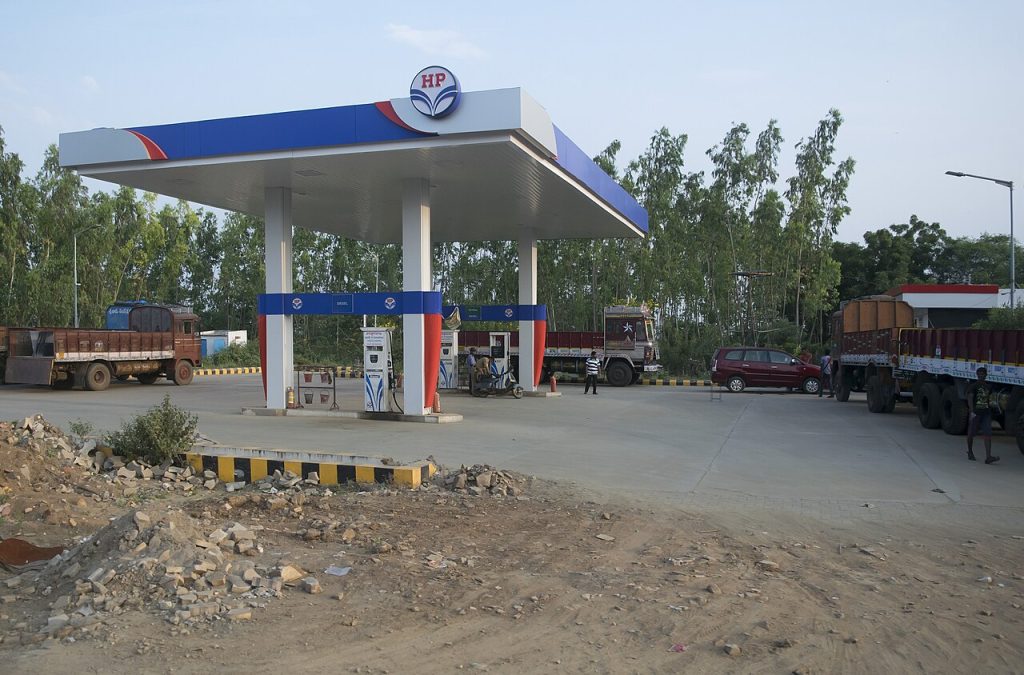
According to Ramesh, motorists have had little choice but to use E20 petrol as it has increasingly become the standard fuel available at filling stations across the country.
The Congress leader also cited findings from an independent survey conducted in June 2026 involving more than 44,000 owners of pre-2023 petrol vehicles. According to him, a significant number of respondents reported adverse effects after switching to E20 fuel.
Ramesh further criticised earlier government responses to similar concerns, recalling Petroleum Minister Hardeep Singh Puri’s remarks in September 2025 dismissing claims that ethanol-blended fuel was damaging vehicle engines.
He argued that official policy documents themselves acknowledged certain technical challenges associated with higher ethanol blends.
Referring to the NITI Aayog’s Roadmap for Ethanol Blending in India 2020–25, released in 2021, Ramesh said the document recognised that E20 fuel could accelerate the deterioration of rubber components, including hoses, seals, gaskets and O-rings, particularly in vehicles originally designed for lower ethanol concentrations.
He also pointed to durability tests cited in the policy roadmap, claiming they recorded engine-related issues in some vehicles and warned of a higher risk of corrosion affecting fuel tanks and internal metal parts.
According to Ramesh, higher ethanol blends may also reduce fuel efficiency.
He claimed that mileage could decline by around 6-7 percent in older four-wheelers, 3-4 percent in older two-wheelers and by 1-2 percent even in vehicles specifically designed to operate on E20 fuel.
“Public anger is growing. People are demanding accountability and transparency. Meanwhile, the Modi government’s ministers are unable to convince anyone of E20’s harmlessness because no real data or reports exist,” he said.
The Centre, however, has consistently defended the ethanol-blending programme, describing it as a crucial pillar of India’s energy security and climate strategy. The government maintains that increasing ethanol use will reduce dependence on imported crude oil, lower carbon emissions and create additional income opportunities for farmers through greater demand for ethanol derived from agricultural feedstock.
Despite the government’s continued support for the initiative, the transition to E20 petrol has sparked an ongoing debate over vehicle compatibility, consumer awareness and whether sufficient evidence has been placed in the public domain to address concerns surrounding the nationwide rollout.