Siang Dam Protests Escalate As Adi Communities Resist Project
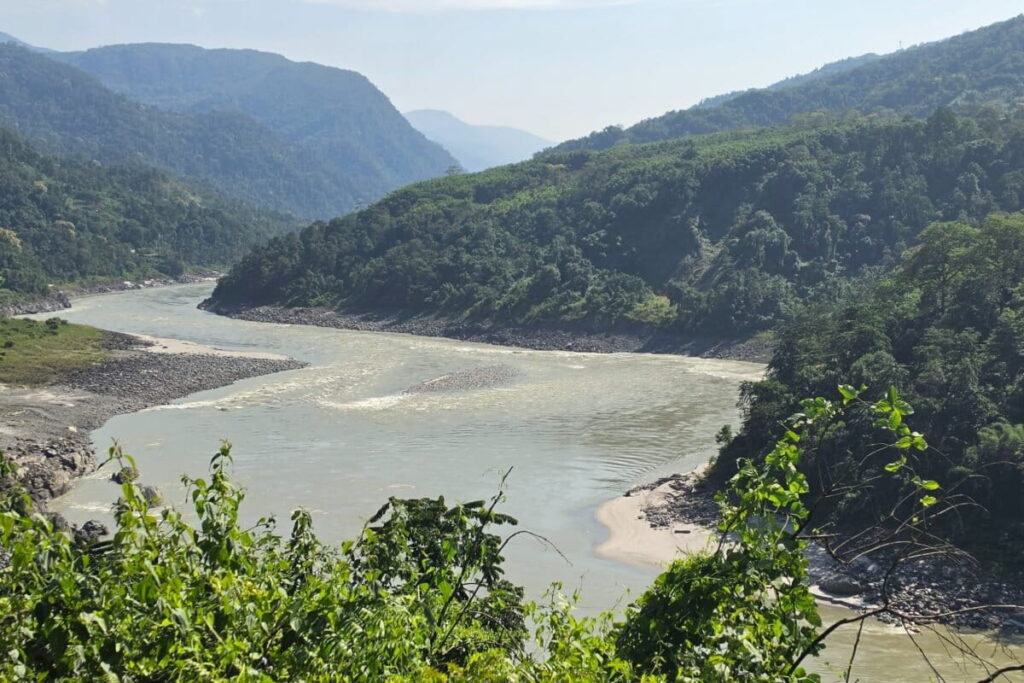
The Siang river in Arunachal Pradesh. The proposed SUMP likely to affect 27 villages in one of India’s most biodiverse regions — the Siang valley (Image by Ranju Dodum)
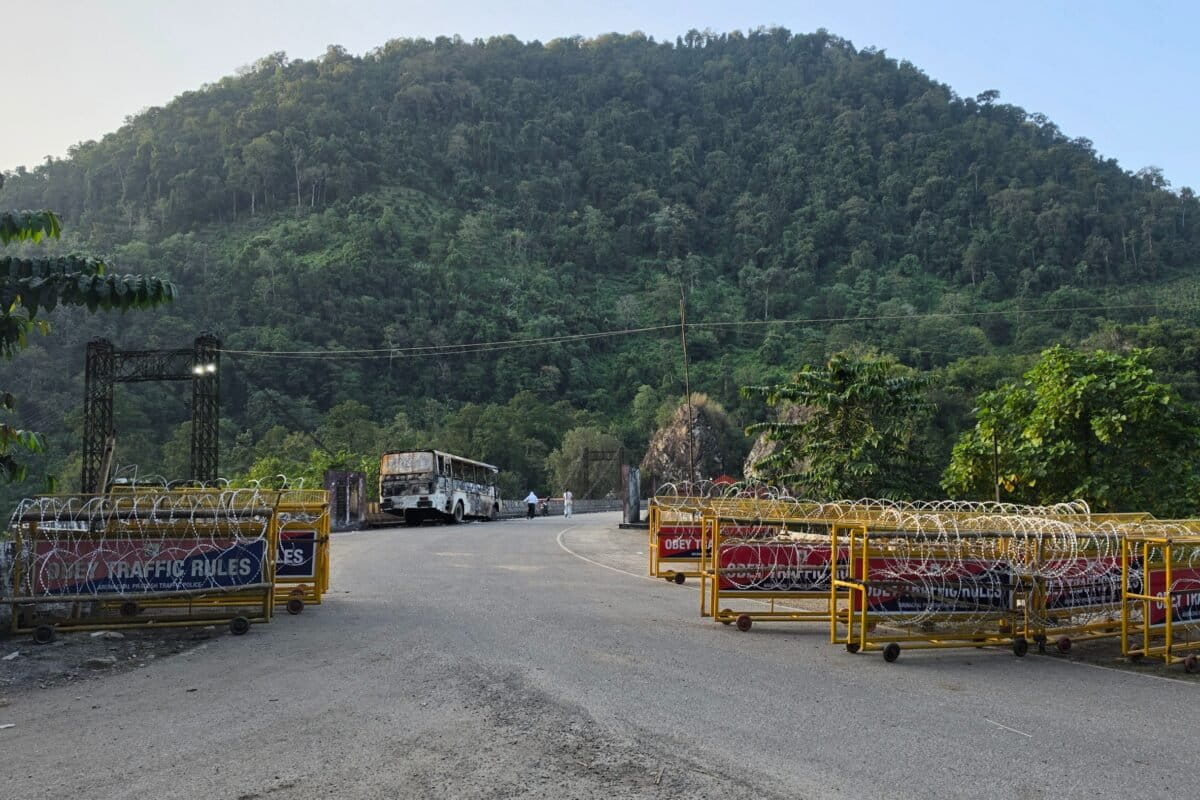
On October 23, the main market in Yingkiong, Arunachal Pradesh’s Upper Siang district, was deserted as residents observed a bandh against the proposed Siang Upper Multipurpose Project (SUMP). Armed personnel patrolled the streets, and mobile internet services were suspended by the afternoon.
“It feels as if they are deploying armed forces against us by force; like fighting an enemy on the border,” said Katin Burang, a 44-year-old farmer from Gosang village. “That is the change.”
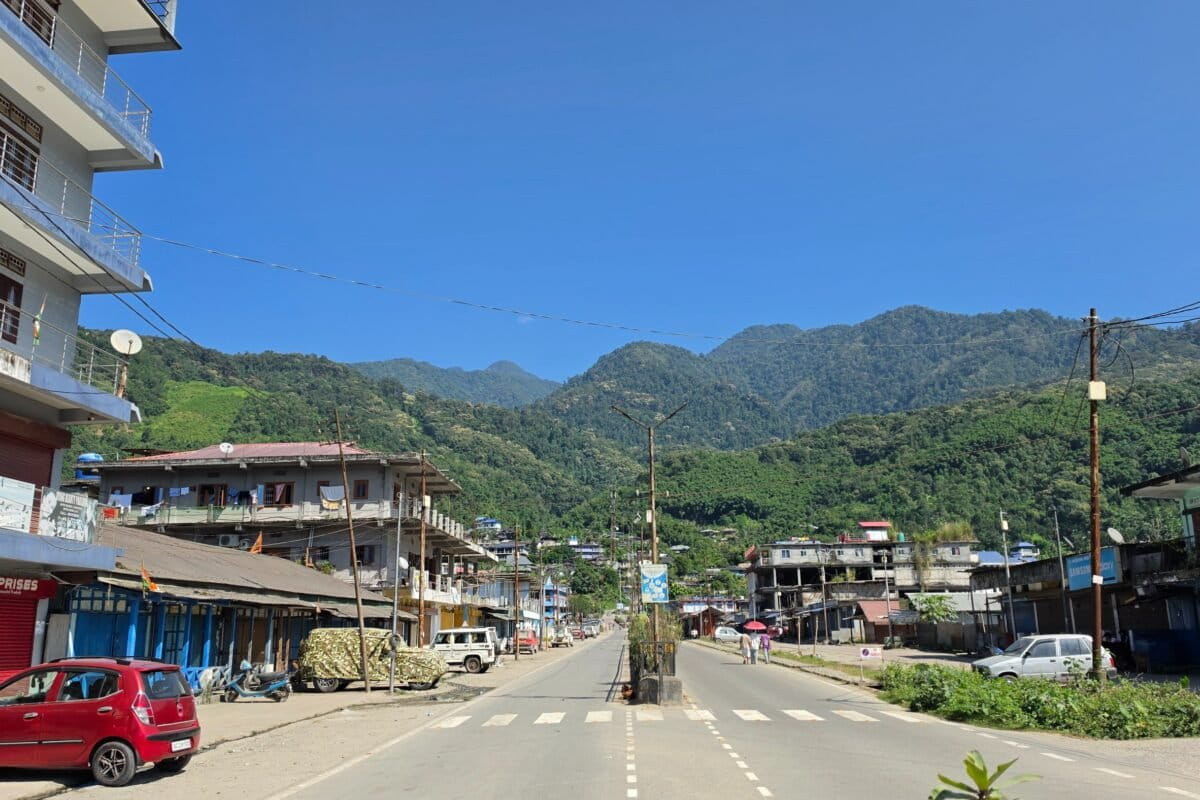
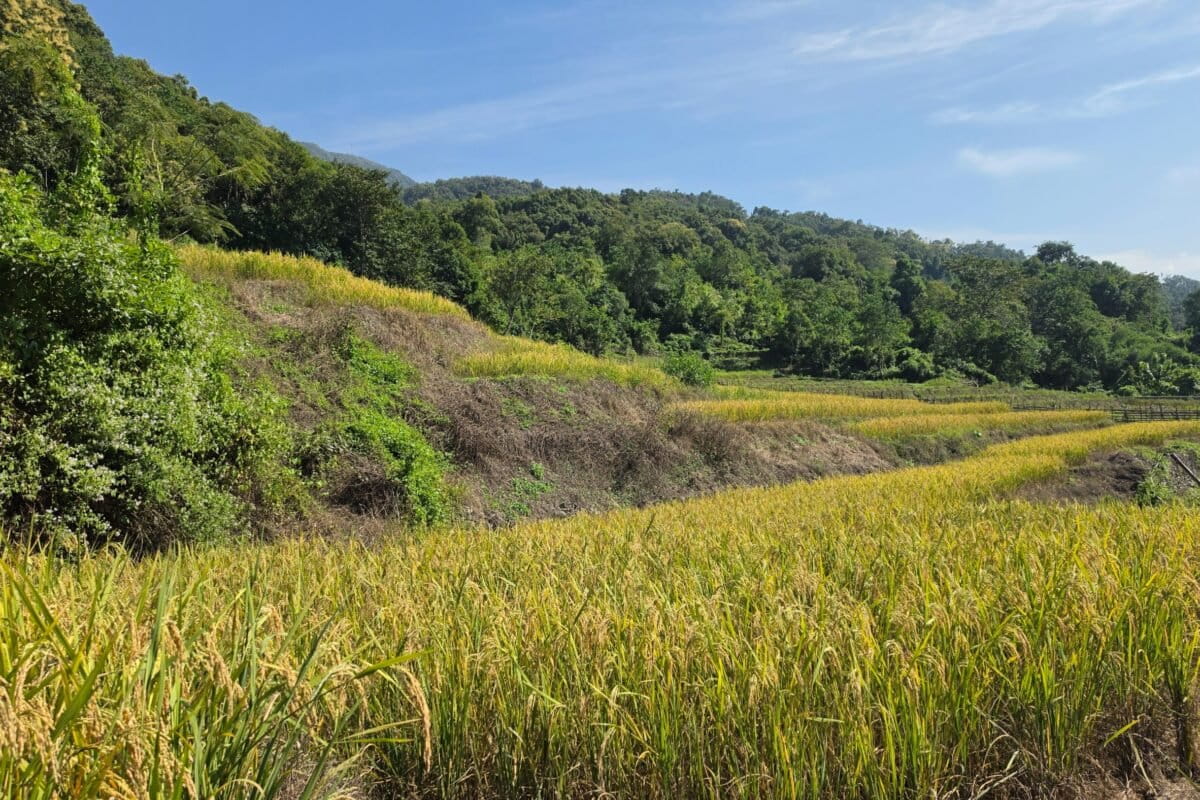
Protests against the proposed 11,200 MW hydroelectric and flood-control dam have intensified since September 14, when residents demanded a halt to pre-feasibility report (PFR) studies. The project is expected to affect 27 villages in the biodiverse Siang valley, where predominantly Adi tribal communities fear losing their homes, farmland and river.
The crackdown intensified after four protesters were detained under the Arunachal Pradesh Unlawful Activities (Prevention) Act, 2014. A protest march demanding their release turned violent on October 23, with two MLAs’ homes and the NHPC project office reportedly damaged or set on fire. Police have registered at least eight cases and arrested 26 people.
Search warrants were also sought against youth leaders Otul Jerang and Tajong Talom, their lawyer Sunny Tayeng, and The Arunachal Times deputy editor Tongam Rina. The Arunachal Pradesh Union of Working Journalists and the Arunachal Press Club condemned the move against Rina as “deeply disturbing”, warning of a possible threat to press freedom.
The release of those detained has become a central demand. “We cannot hold peace talks at gunpoint,” said Opek Taku, a former local self-government representative. Protest groups have refused to meet Chief Minister Pema Khandu until the detainees are released.
A dam in the name of national security
The state government has defended SUMP as a project of national importance and a safeguard against China’s proposed mega dam upstream of the Siang, which flows into the Brahmaputra. It has argued that the Indian project could protect the region from a possible sudden release of water from the Chinese dam.
Local organisations, however, question whether building another massive dam in a highly seismic region would reduce the danger.
“A Chinese water bomb can only happen from their dam breaking, an earthquake, from a war missile, or the cement concrete eroding after 100 years,” said Thomas Borang, former president of the Adi Bane Kebang United. “Won’t it cause double the damage if we build an 11,000 Megawatt dam of our own? Why should we accept this risk?”
Several Adi organisations, including the Adi Bane Kebang United, Siang Indigenous Farmers’ Forum Youth Wing and SUMP Affected Area Youth Association, have joined the opposition. Protests have spread from villages to Itanagar and New Delhi.
On November 3, Khandu’s office proposed another meeting with the organisations between November 5 and 7. But SAAYA general secretary Geni Nangkar said his organisation would not attend until those detained were released. “Our final decision is that until our demands are fulfilled, we will not meet the CM,” he said.
Tagori Mize, legal adviser and spokesperson of the Siang Indigenous Farmers’ Forum, argued that the government could facilitate their release. “It is in the government’s power, the honourable CM’s power,” he said. “If he wants, they could walk out tonight. There has to be political will.”
Security deployment and the fear of displacement
The presence of security forces during the PFR studies has become another source of resentment. According to Upper Siang Deputy Commissioner Ashok Tajo, seven companies of security personnel were deployed in the district until October 22. The number rose to around 10 to 12 companies by November 3 following fresh violence. The Centre also reportedly sent 250 Rapid Action Force personnel to Pasighat.
Khandu has promised that no construction decision will be taken without extensive public consultations and consent. However, residents question the process through which the government has secured cooperation for preliminary studies.
Since mid-2025, the state has signed memorandums of understanding with at least two dozen villages and hamlets. The documents specify that consent for PFR studies does not amount to agreement to construct the dam. Yet Mize questioned the legal basis of such agreements, arguing that the Land Acquisition Act, 2013, provides for procedures including social impact assessments and public hearings.
Burang alleged that some signatures were obtained without following the traditional village council, or kebang. He also claimed residents were offered ₹2.5 lakh to sign, an allegation that could not be independently verified. Tajo said he would investigate claims of improperly obtained signatures.
The government has also announced livelihood assistance for affected villages. Tajo said 322 households had received approximately ₹8.05 crore since September through a scheme funded by the Union Ministry of Jal Shakti. Residents remain sceptical about the benefits.
For many, the issue is not simply compensation. Opek Taku recalled how the Siang shaped agricultural life and the seasons. “From November to February the river is sky blue. From June to October, it is the colour of mud,” he said, describing how its rhythms guided cultivation.
Otik, Taku’s wife, questioned what would happen to farming livelihoods if the dam were built. “In the village, everyone lives by doing this work, farming. If this Siang dam is built, what work will be left?”
Women have also been prominent in the protests, including during clashes in which several required medical attention. Despite their limited traditional rights over ancestral land, they fear losing the livelihoods and homes tied to it.
“We will live here, and we will die here,” Otik said. “Our Adi women are strong. They are not afraid of anyone.”
For the communities resisting SUMP, the debate over national security cannot be separated from their right to decide the future of the land and river they call home.