Food Aid Can Be Food Wasted
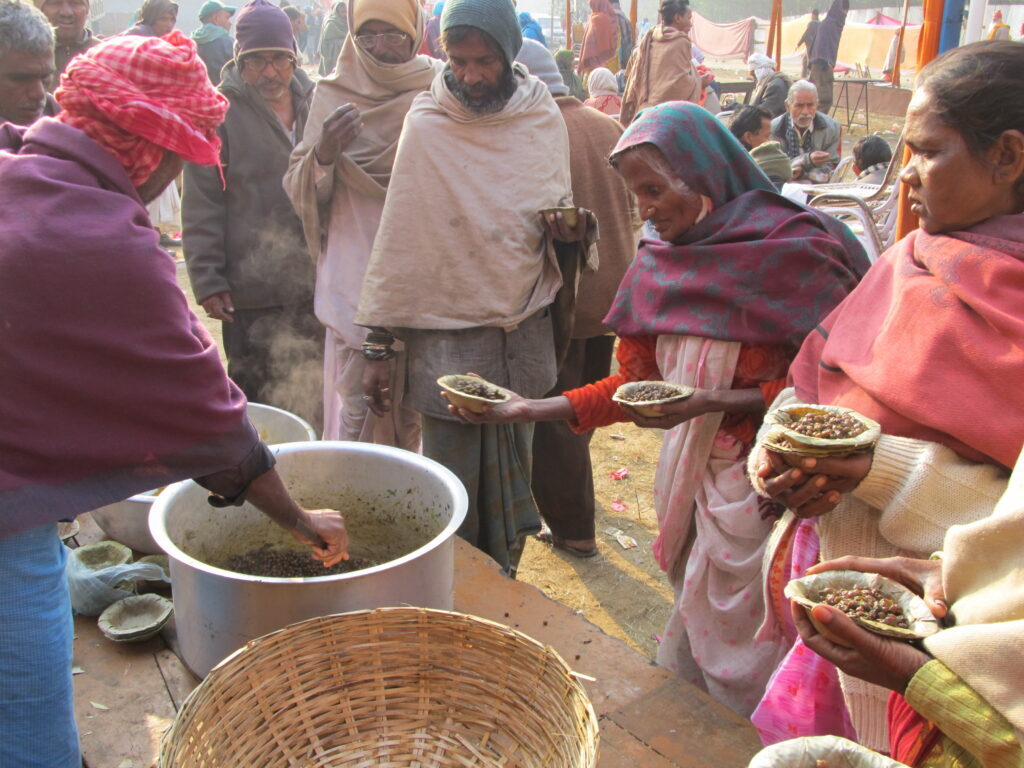
Food and agriculture are largely overlooked in climate negotiations despite being responsible for 34 percent of the emissions, the majority of which come from industrial agriculture (Photo: Biswarup Ganguly/Wikimedia Commons)
Food is a crucial part of humanitarian assistance in the aftermath of any disaster. It provides immediate relief to victims and helps in their recovery from injuries, illness and distress. But providing food to survivors is not enough, ensuring they receive sufficient nutrition is equally important.
Researchers in India have been working on alternatives that offer lessons for other disaster-prone areas.
Emergency meals which are culturally accepted are more palatable and can also bring some relief from psychological trauma — an aspect often overlooked. The key is to significantly increase the nutritional content of existing dishes for people who need protein and energy to recover from illness, injury and shock.
Relief agencies aim for food-aid rations to be both affordable and nutritious. But it’s not common for such rations to be local, familiar and tasty. Unappealing foods can lead to undesirable wastage with knock-on effects. An incorrect estimation of required quantities could leave some without food and using imported ingredients makes aid susceptible to rising costs.
Those tailoring food requirements during an emergency need to consider the size, values, attitudes and beliefs of the population. India has a wide variety of food and eating habits across its 1.3 billion residents. The staples of cereal and wheat are most commonly used in North Indian and West Indian dishes. Southern and northeastern diets more commonly include rice. The uses of spices and other herbs in food also vary from region to region.But food assistance during emergencies in India is neither culturally competent nor geographically targeted. Researchers at Punjab Agricultural University, in Ludhiana, India modified traditional meals to improve emergency relief foods and increase their nutritional value as well as extend their shelf life. They chose cereal-based meals across seven disaster-prone states across India — Jammu and Kashmir, Uttarakhand, Uttar Pradesh, Bihar, Assam, Odisha and Gujarat.
The cereal in the dishes was substituted with pulses and millets. The meals are no longer just high in carbohydrates but now consist mainly of protein, fat, minerals like iron and calcium, along with an appropriate amino acid balance. The pulse and millets used were all locally grown and traded. The foods were girda bread and lyde for people in Jammu and Kashmir; roat and cookies for those in Uttarakhand; gujiya and kachori for Uttar Pradesh; thekua, sattu and cookies for Bihar; sandah guri for Assam, arisa pitha for Orissa, and puranpoli and khakhra for Gujarat.
Researchers also created a ready-to-use traditional food sandah guri (toasted rice flour) mix which can be added to existing emergency meals. The mix is high in protein, energy and micronutrients from roasted wheat flours, skimmed milk powder, jaggery powder, groundnut powder and raisins. Due to their low cost and high nutritive value, these products are also suitable for welfare programs run by state governments and other food aid organisations.
There were limitations to the study. Researchers were not able to test how well accepted the modified emergency foods are in all seven states due to time constraints and restricted funds. Instead, they developed a training module for nutritionists and stakeholders to better assess the cultural competency of aid food available during emergencies. A step towards deeper cultural considerations for people who are already vulnerable and in need.
India, like many countries, is vulnerable to climate change, and both man-made and natural disasters. Almost 57 percent of its land is susceptible to earthquakes, 68 percent to drought, 12 percent to floods, and 8 percent to cyclones. With the growing likelihood of disasters, it’s crucial to have adequate measures and resources in place.
Large-scale development and storage of emergency food products can open up jobs — directly from growing local crops and indirectly from cooking and processing. It can also address food security issues, from the immediate availability of food to the accessibility of safe and nutritious meals.
(Author: Dr Pushpa Dhami; Originally published under Creative Commons by 360info™)