MP Govt Announces Measures Amid Outrage Over Tribal Child Deaths
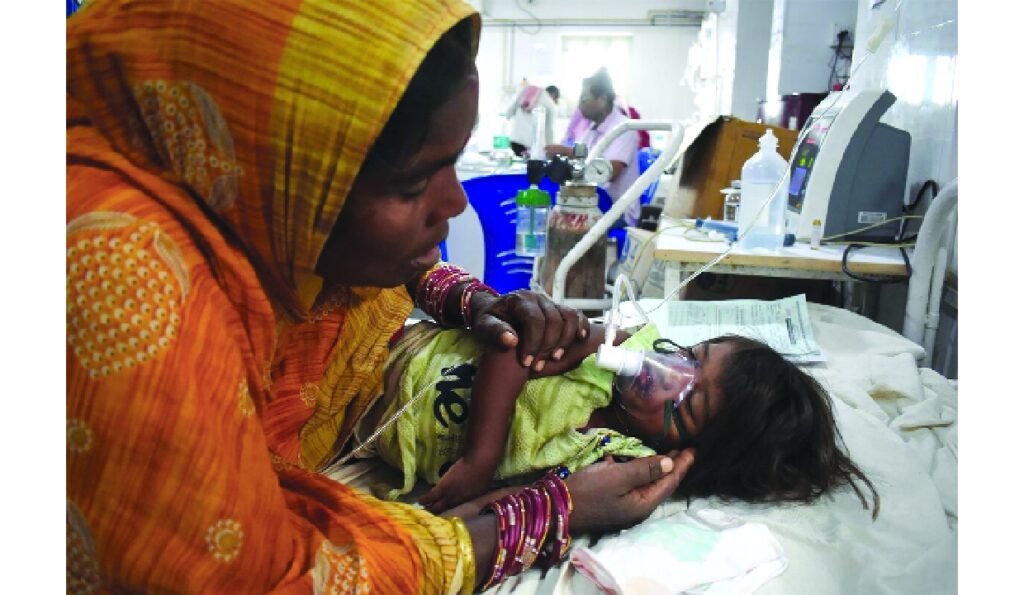
The deaths in MP's Balaghat district, reported since May and June this year, involve tribal children aged between one and 12
The Madhya Pradesh government has announced a series of measures to strengthen healthcare facilities in Balaghat district amid outrage over the deaths of tribal children and criticism from the Congress and Cockroach Janta Party (CJP) convenor Abhijeet Dipke. The crisis, which has claimed the lives of more than 30 children belonging largely to the Baiga and Gond communities in remote villages of Birsa block, has exposed long-standing gaps in primary healthcare, nutrition and basic infrastructure in one of the state’s most vulnerable tribal belts.
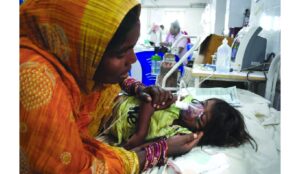
The deaths, reported since May and June this year, involved children mostly aged between one and 12. Early cases featured fever, rashes, weakness, and respiratory problems. Many children died at home without reaching a medical facility. Official assessments by state and central teams have ruled out a single cause, linking the fatalities to a combination of measles, malaria (including co-infections), severe acute malnutrition, anaemia, dehydration, pneumonia and shock.
Sparse health facilities, located far away
Large-scale screening of over 32,000 people uncovered thousands of children suffering from diarrhoea, underweight conditions and related illnesses. More than 7,700 children were found with severe acute malnutrition, with hundreds admitted to nutrition rehabilitation centres. The affected villages lie deep in forested terrain that until recently faced Left-Wing Extremism challenges. Health facilities are sparse; the nearest primary health centres can be 15 to 70 kilometres away.
Vacancies among ASHA workers are acute—nearly two-thirds of the district’s unfilled ASHA posts are concentrated in Birsa block—leaving communities without the first line of government health contact. Vaccination coverage for measles had been inadequate in parts of the area before the outbreak, and disruptions in the supply of take-home rations for young children compounded nutritional vulnerabilities. The administration’s response intensified after the toll mounted.
Chief Minister Mohan Yadav visited Bondari and other affected villages in late August, met grieving families and announced financial assistance of Rs 2 lakh for each of the affected families. The paediatric ward at Balaghat district hospital was expanded from 50 to 150 beds. Six mobile medical units were deployed in Birsa and Baihar blocks, supported by additional doctors and community health officers. House-to-house surveillance was extended from three villages to around 50.
Over 14,600 children received an additional dose of measles-rubella vaccine. Sanitation drives were conducted at hundreds of locations, insecticide was sprayed in more than 4,000 households, and drinking-water sources were purified. Officials report that no new measles cases have been recorded in recent days and that hundreds of children have been treated and discharged. The Chief Medical and Health Officer of Balaghat was removed from his post. A National Joint Outbreak Response Team and experts from the Indian Council of Medical Research were also pressed into service. Despite these steps, political and civil society criticism has been sharp.
Congress leaders have accused the state government of delayed action and systemic neglect of Particularly Vulnerable Tribal Groups. Leader of Opposition Umang Singhar has written to the Prime Minister seeking a high-level inquiry and better implementation of central schemes meant for such communities. The Madhya Pradesh High Court has issued notices to the health department, the women and child development department, the Balaghat collector and other authorities after a public interest litigation alleged inadequate hospital capacity, irregular nutrition supplies and poor water quality.
CJP’s Dipke meets tribal families
CJP convenor Abhijeet Dipke visited Adori, Korka, and Bondari villages earlier this month, meeting families who lost children. He questioned the administration’s response and claimed that local accounts suggested a higher death toll than officially acknowledged. In subsequent social media posts, Dipke shared visuals of a school for tribal children in the district, asking whether politicians would send their own children to such a facility. He further alleged that ASHA workers in the area had not received salaries for the past six months and raised concerns about the quality of drinking water available to residents.
His interventions have added to the pressure on the government to demonstrate accountability beyond immediate relief measures. Local residents and health workers have pointed to the absence of regular monitoring, delayed reporting of early deaths and the continued reliance of many families on traditional healers as factors that allowed the outbreak to spread undetected for weeks. While the government maintains that early fatalities occurred before cases entered the formal health system and that multiple clinical conditions were involved, critics argue that the scale of the losses reflects deeper failures in delivering last-mile services.
As medical teams continue intensive screening and treatment, authorities have also distributed advance rations and sought to build community trust. Developmental packages for former Naxal-affected villages have been announced, with promises of improvements in nutrition, education and livelihoods. Yet, the episode has underscored the fragility of public health systems in remote tribal regions, where distance, deprivation, and delayed intervention can turn seasonal infections into a deadly combination.
The coming period will determine whether the announced measures produce lasting improvements in vaccination coverage, ASHA deployment, nutritional support, and basic infrastructure, or whether they remain a reactive response to public anger and judicial scrutiny. For the families who have already buried their children, the immediate priority remains prevention of further loss and assurance that the same gaps will not claim more young lives.