‘Why Did Petrol, Diesel Get Costlier Despite Falling Crude Prices?’
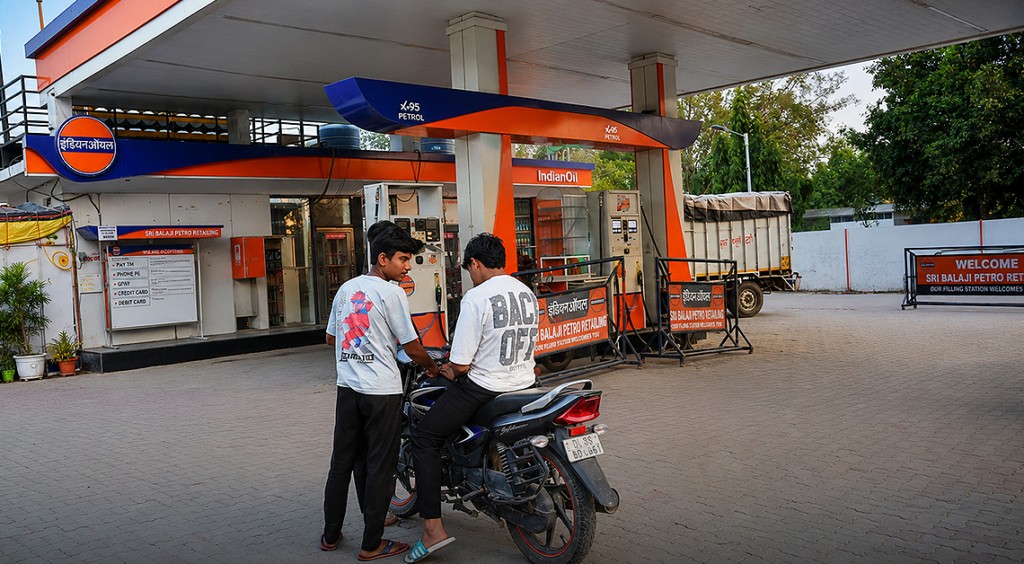
Although crude oil prices are now below USD 99 per barrel, fuel prices in India have risen sharply. Petrol prices have climbed to Rs 102.12 per litre and diesel to Rs 95.20 per litre
Congress president Mallikarjun Kharge on Tuesday launched a sharp attack on the Narendra Modi-led government over rising petrol and diesel prices, arguing that consumers have failed to benefit despite a substantial decline in global crude oil prices over the past 12 years. In a strongly worded post on X, Kharge accused the Centre of burdening ordinary citizens while continuing what he described as “profiteering” through high fuel taxes and repeated price hikes.
Referring to official figures released by the Press Information Bureau (PIB), Kharge compared fuel prices and crude oil rates from the beginning of Prime Minister Narendra Modi’s first term in 2014 with present-day prices. According to him, when Modi took office on May 26, 2014, crude oil in the Indian basket was priced at USD 108.05 per barrel, while the rupee-dollar exchange rate stood at Rs 58.59.
“At that time, petrol was available at Rs 71.51 per litre and diesel at Rs 56.71 per litre,” Kharge stated in his post.
He pointed out that although crude oil prices are now below USD 99 per barrel, fuel prices in India have risen sharply. “Petrol prices have climbed to Rs 102.12 per litre and diesel to Rs 95.20 per litre,” he said.
Drawing attention to the contrast, Kharge claimed that consumers were paying significantly more even though global crude prices had declined. “In other words, while crude oil has become cheaper, petrol has become approximately 42.8 per cent more expensive and diesel about 67.9 per cent more expensive,” he said.
The Congress chief argued that the increase in fuel prices has had a cascading effect on the broader economy, contributing to inflation across multiple sectors. “Every economist knows that the rising cost of petrol and diesel impacts every sector. From transportation to food commodities, the burden of inflation on the common man continues to intensify,” Kharge said.
He further alleged that the government had failed to pass on the benefits of lower crude prices to citizens. “Despite this, the government’s profiteering continues unabated,” he added.
Kharge also questioned who was benefiting from the continued increase in fuel prices and accused the government of ignoring public hardship. “The question is straightforward: When crude oil prices have fallen, why have petrol and diesel become more expensive?” he asked.
“Why is the public not being given relief? Who is benefiting from this daily robbery?” he added.
Rahul Gandhi Joins Criticism as Fuel Prices Rise Again
Kharge’s remarks came a day after senior Congress leader Rahul Gandhi also criticised the government over the latest increase in fuel prices. Gandhi accused the ruling dispensation of worsening inflation and placing additional financial pressure on citizens already struggling with rising living costs.
In a post targeting the government, Rahul Gandhi used the phrase “mehangai manav” to describe inflation and claimed it had “struck again”. Gandhi said, “He has just one job — making promises during elections and attacking people’s pockets at other times.”
The Congress party’s criticism follows another round of fuel price hikes announced on Monday. Petrol and diesel prices were increased by Rs 2.61 to Rs 2.71 per litre, marking the fourth increase in less than two weeks. State-owned oil marketing companies attributed the revision to rising international crude oil prices and fluctuations in the global energy market.
The latest hikes have renewed concerns about inflationary pressure in the country, especially as fuel costs influence transportation expenses and commodity prices. Economists have often pointed out that increases in petrol and diesel rates have a ripple effect on household budgets because they raise logistics and production costs across industries.
Opposition parties have repeatedly accused the Centre of relying heavily on excise duties and taxes on petroleum products to generate revenue. Congress leaders argue that despite periodic reductions in global crude oil prices, consumers have rarely received proportional relief at fuel stations.
The latest political exchange over fuel prices is expected to intensify in the coming days, with opposition parties likely to continue targeting the government over inflation and the rising cost of living. Fuel prices remain a politically sensitive issue in India, as even minor increases directly affect millions of households and businesses across the country.