‘Indian Public Paying The Price For Modi Govt’s Mistake’
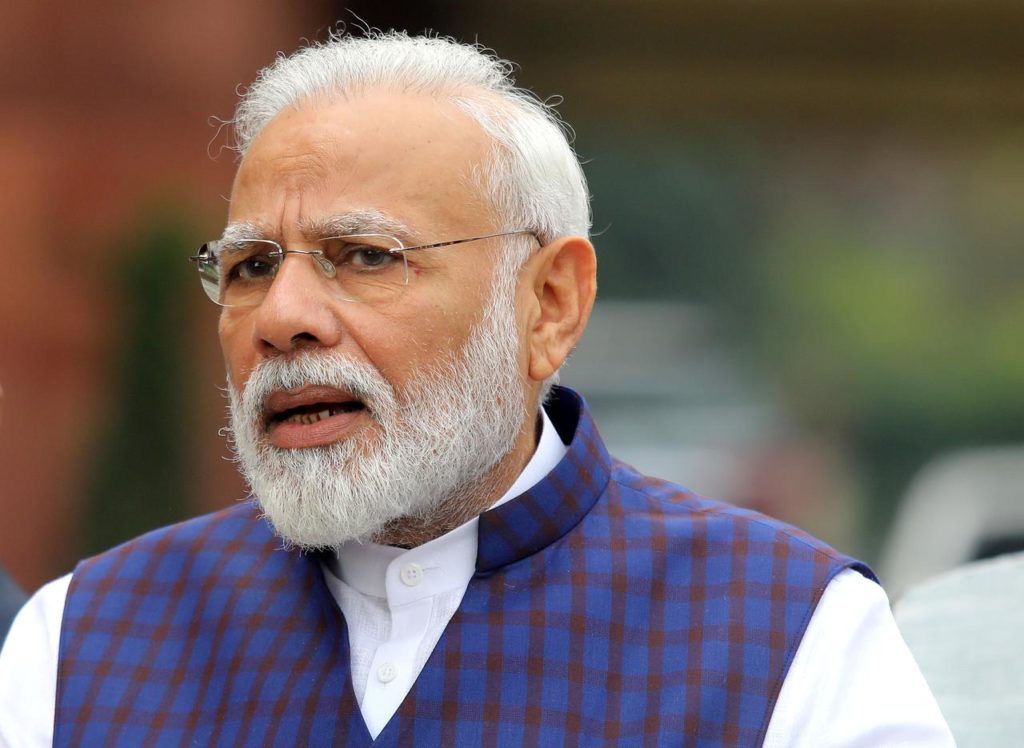
FILE PHOTO: Prime Minister Narendra Modi has come in for sharp criticism by the opposition Congress party over the fuel price hike policy and restrictions on buying gold
The Congress has mounted a sharp offensive against the Narendra Modi government over the latest increase in petrol and diesel prices, accusing the Centre of once again shifting the burden of its economic failures onto ordinary citizens. The Opposition said the sudden hike in fuel prices exposed the government’s “anti-people” priorities and questioned why consumers were being forced to absorb the impact of global developments after months of political silence on fuel costs.
Leader of Opposition in the Lok Sabha Rahul Gandhi lashed out at the Centre after petrol and diesel prices were raised by Rs 3 per litre each, marking the first increase in more than four years. He argued that the government had deliberately frozen prices during election season and was now recovering the cost from the public after the conclusion of Assembly polls.
In a strongly worded post on X, Gandhi accused the Modi government of making citizens pay for its mistakes. Referring to the hike as the beginning of a larger financial burden, he said people should be prepared for more “recovery” in the coming months. His remarks reflected the Congress’s broader charge that the BJP manipulates fuel prices for electoral convenience while claiming concern for consumers.
The hike has pushed petrol prices in Delhi to Rs 97.77 per litre and diesel to Rs 90.67, while CNG prices in major cities such as Delhi and Mumbai have also risen by Rs 2 per kilogram. Because fuel taxes differ across states, consumers in several regions are expected to pay even more.
The increase comes amid a sharp surge in global crude oil prices following escalating tensions in West Asia. Oil prices have reportedly climbed by more than 50 per cent since military confrontation involving Iran disrupted crucial shipping routes through the Strait of Hormuz. Despite this rise, the Centre had maintained retail fuel prices at existing levels for months, repeatedly claiming it was protecting citizens from international volatility.
Congress leaders, however, alleged that the government’s restraint had little to do with public welfare and everything to do with electoral calculations. According to the party, fuel prices were intentionally kept unchanged while elections were underway in several states to avoid voter anger. The timing of the hike, immediately after the completion of Assembly elections, has strengthened Opposition claims that economic decisions are increasingly being driven by political strategy rather than public interest.
The Congress argued that rising fuel prices would trigger a chain reaction across the economy, increasing transportation costs and pushing up prices of essential goods at a time when inflation and unemployment are already squeezing household budgets. The party accused the government of failing to create any long-term strategy to shield citizens from recurring global oil shocks despite collecting massive revenues through fuel taxation over the years.
Gold Policies Threaten MSMEs and Traditional Livelihoods
Alongside the criticism over fuel prices, the Congress also attacked the Modi government over its recent messaging on gold purchases and the steep increase in import duty on gold and silver. Senior Congress leader Randeep Surjewala accused the Centre of pushing the jewellery industry towards an “undeclared lockdown” that could devastate lakhs of small businesses, artisans and workers dependent on the sector.
The controversy erupted after Prime Minister Narendra Modi reportedly appealed to citizens to avoid buying gold for a year, a suggestion the Congress described as deeply damaging to an industry that supports millions of livelihoods. Surjewala called the statement a “death warrant” for jewellers and traditional artisans, many of whom are already struggling with declining demand and rising compliance burdens.
The Congress leader also criticised the government’s decision to raise import duty on gold and silver from 6 per cent to 15 per cent, arguing that the move would severely hurt legitimate traders while encouraging illegal smuggling networks. According to the party, honest jewellers and small manufacturers would be forced into crisis as consumers either postpone purchases or turn to the black market.
Surjewala said more than 90 per cent of India’s jewellery business is run by MSMEs and family-owned enterprises, making the sector one of the country’s largest sources of employment outside agriculture. He warned that lakhs of goldsmiths, artisans, craftsmen and daily wage workers could lose their livelihoods if the government continued with what he described as economically destructive policies.
The Congress also framed the issue as an attack on traditional communities and cultural practices. Gold jewellery remains deeply connected to weddings, festivals and social customs across India, particularly among backward communities and rural families. By discouraging purchases while simultaneously increasing duties, the Opposition claimed the government was undermining both cultural traditions and economic survival.
Sharpening its criticism, the party pointed to what it called the government’s double standards on gold. Surjewala recalled Modi’s 2024 election speech in Rajasthan’s Banswara, where the Prime Minister accused the Opposition of wanting to “snatch mangalsutras” from women. The Congress questioned how the same government could now discourage citizens from buying gold altogether.
The party further highlighted data showing that the Reserve Bank of India and the government had significantly increased sovereign gold reserves between September 2025 and March 2026. Congress leaders argued that while the state was aggressively accumulating gold, ordinary citizens were being advised against purchasing jewellery and small traders were being squeezed through higher taxes.
According to the Congress, the gems and jewellery industry contributes more than 7 per cent to India’s GDP and accounts for nearly 12 per cent of exports, with the overwhelming majority of exporters belonging to the MSME sector. The party alleged that repeated policy shocks — including demonetisation, GST implementation, excise measures and mandatory hallmarking requirements — had already weakened the industry. It accused the Modi government of worsening the crisis through policies that ignore the realities faced by small businesses and traditional workers across the country.