“PM, Shah, CEC ‘Traitors’, Gyanesh Kumar Must Quit Immediately”
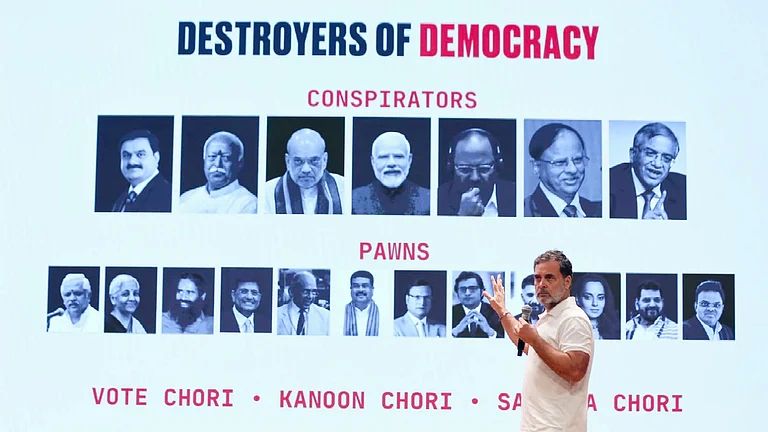
Rahul Gandhi accused PM Modi, HM Amit Shah and CEC Gyanesh Kumar of “destroying” the vote’s sanctity, demanded Kumar’s resignation, and alleged that elections in India were being rigged as part of an electoral conspiracy
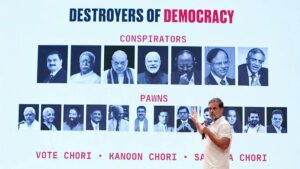
Congress leader and Leader of Opposition in the Lok Sabha Rahul Gandhi on September 24, 2026, sharply escalated his confrontation with the Narendra Modi government and the Election Commission of India, accusing Prime Minister Narendra Modi, Union Home Minister Amit Shah and Chief Election Commissioner Gyanesh Kumar of undermining India’s electoral system. Gandhi demanded Kumar’s immediate resignation and alleged that the country’s democratic institutions had been damaged through what he described as “vote chori”.
The remarks came amid a growing political controversy surrounding the Election Commission’s Special Intensive Revision (SIR) of electoral rolls and reports of disagreements among the three Election Commissioners.
Rahul Gandhi’s allegations
Addressing a press conference in New Delhi, Gandhi described Modi, Shah and Kumar as “deshdrohis”, or traitors, alleging that their actions had attacked the integrity of the vote. He argued that the vote is the foundation through which citizens exercise constitutional power and that any threat to the electoral process ultimately affects the Constitution and other democratic institutions.
Gandhi also alleged that Modi and Shah would eventually face investigation over what he described as a conspiracy involving the electoral process. He suggested that Kumar should resign and “turn approver”, framing that as a way for the CEC to disclose what the Congress leader believes happened within the Election Commission.
What triggered the latest controversy?
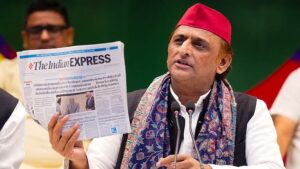
The immediate backdrop is a report published by The Indian Express on September 23 claiming that Election Commissioners Sukhbir Singh Sandhu and Vivek Joshi had raised objections on at least 14 occasions over a period of about 10 months concerning decisions and orders linked to electoral rolls and the SIR exercise. The reported objections included issues concerning voter registration, deletion of names, electoral databases and procedures followed by the poll panel.
The report intensified questions from opposition parties about the functioning and independence of the Election Commission. Congress leaders have argued that the reported disagreements warrant greater transparency and an explanation from the poll panel.
The issue has also attracted demands for Kumar’s removal from other opposition parties, including the DMK.
Election Commission’s response
The Election Commission has rejected the interpretation that the reported objections demonstrate a breakdown or division within the institution. It said that differing views and observations during internal deliberations are part of normal institutional functioning and maintained that decisions relating to SIR were ultimately unanimous.
The commission’s position is significant because the controversy concerns not merely an individual official but the credibility of the institution responsible for preparing electoral rolls and conducting elections.
The Election Commission is constitutionally entrusted with supervising elections, making public confidence in its neutrality and procedures an important element of the electoral process.
The SIR issue and the Supreme Court
Another important element is the legal status of the Special Intensive Revision exercise. In May 2026, the Supreme Court upheld the Election Commission’s authority to conduct the SIR exercise in Bihar, finding a connection between electoral-roll revision and the constitutional objective of free and fair elections.
The court’s ruling does not resolve every subsequent political or administrative dispute surrounding the implementation of SIR. Questions about individual voter deletions, appeals, administrative procedures and transparency can still generate political and legal scrutiny.
That distinction is important: the Supreme Court’s ruling concerned the authority and legal framework for the SIR exercise, while the current controversy concerns allegations about how aspects of the exercise and electoral-roll administration have been handled.
Why the controversy matters
At the heart of the dispute is a broader question about public trust in elections. Opposition parties argue that electoral-roll revisions can affect citizens’ ability to vote and therefore require maximum transparency. The Election Commission, meanwhile, maintains that electoral rolls must be periodically reviewed to ensure their accuracy and integrity.
The disagreement has therefore moved beyond the personalities of Rahul Gandhi, Narendra Modi, Amit Shah and Gyanesh Kumar. It concerns competing claims about institutional independence, electoral administration and the safeguards required to ensure that eligible voters remain on the rolls while ineligible or duplicate entries are removed.
For now, Gandhi’s allegations remain allegations, while the Election Commission and BJP have strongly rejected the opposition’s interpretation of events. The significance of the controversy will depend on the evidence emerging from the disputed decisions, the Election Commission’s internal records, judicial proceedings and any formal parliamentary or institutional inquiries.
What is clear is that the confrontation has intensified the political debate over electoral transparency in India, placing the Election Commission, the SIR exercise and the credibility of the voting process at the centre of the national political conversation.