Mumbai’s Falling Trees Are Turning The Monsoon Into A Deadly Hazard
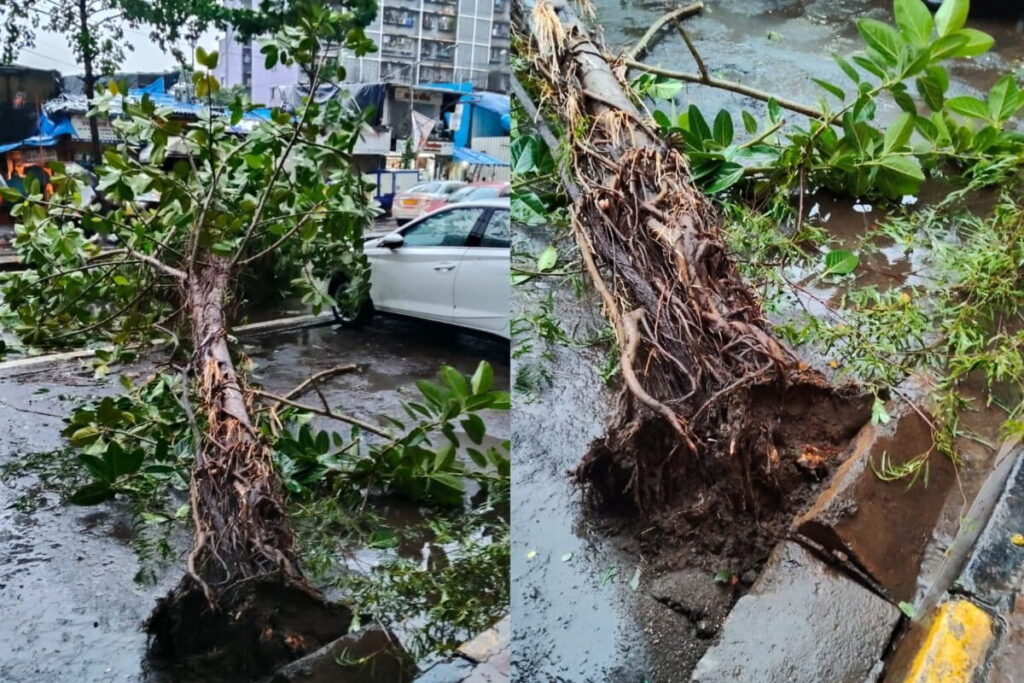
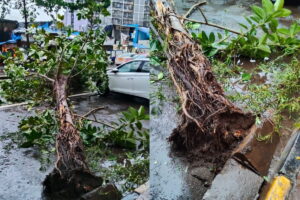
Some tree species are more prone to root or branch failure in Mumbai, especially when planted in constrained pits with little room for root spread (Images courtesy of Mumbai Citizen for Trees)
- Concretisation and repeated excavation are damaging tree roots, weakening their ability to withstand strong winds and heavy rain.
- Unscientific pruning and gaps in civic tree management are leaving structural risks unaddressed.
- Experts say Mumbai needs a fundamental shift in how it plans and manages urban spaces, treating trees as part of the city’s ecosystem rather than obstacles to development.
Earlier this year, Mumbaikars hoped the monsoon would end the heatwave. Instead, heavy rains and gusty winds turned the city’s tree-lined roads into hazard zones. Between June 22 and July 17, 902 trees were uprooted and 1,251 branches fell across public spaces. On July 5 and 6 alone, 203 and 523 incidents were recorded. Three people died in separate tree-related accidents within a week: 11-year-old Vihaan Srivastava when a tree crushed a school bus in Chembur, 18-year-old Kumar Hasan Raza in Aarey Colony, and 63-year-old Yunus Kundawala in Kurla.
BMC data shows the problem is worsening: 655 tree falls in 2022, 687 in 2023, 653 in 2024 and 855 in 2025 so far. While BMC Commissioner Ashwini Bhide blamed strong winds of 70-80 km/h, experts insist the real causes are man-made.
Restricted Roots and Repeated Damage
When a tree base is paved over, oxygen and water cannot reach the roots. The tree’s structural base weakens even if the canopy looks healthy.
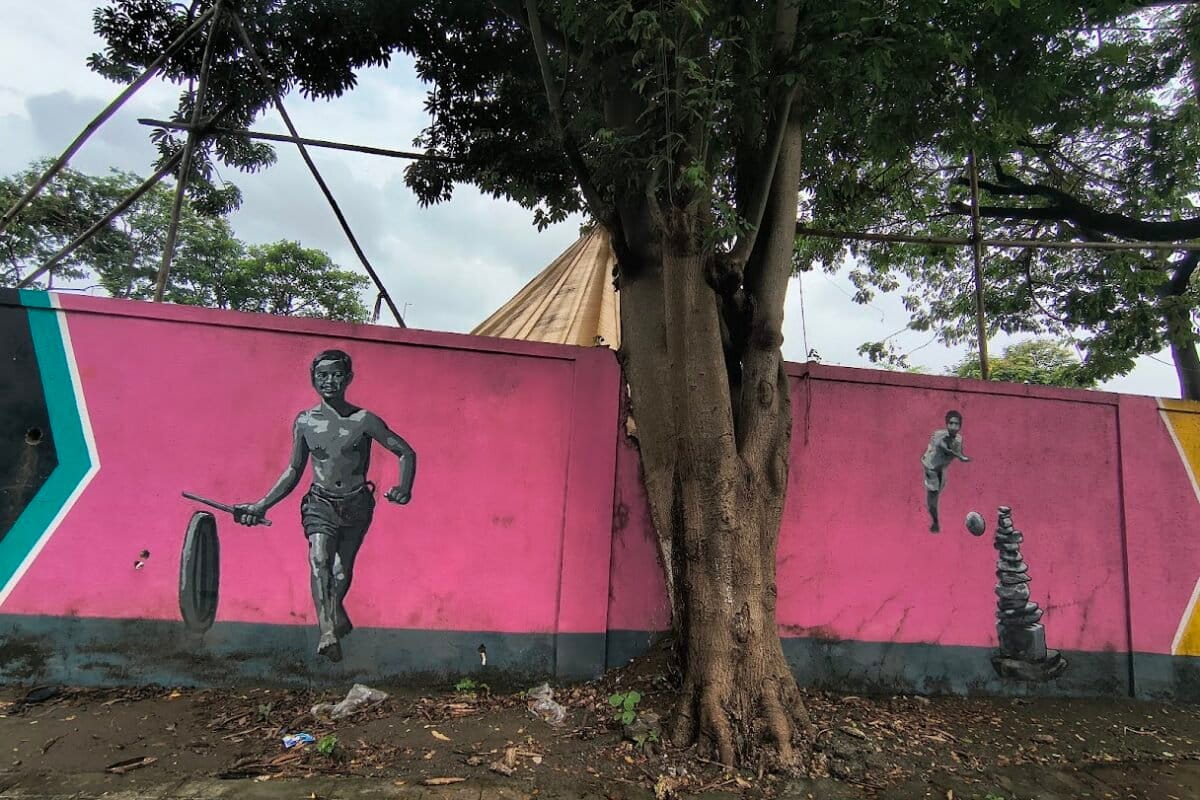
“Whenever a road is concretised, the stormwater drain beneath or alongside is often dug up as well,” said urban practitioner Abhijit Ekbote.
“This can cut through or disturb the roots, weakening the trees’ support system.” Arborist Vaibhav Raje added that repeated excavation for utilities compounds the damage: “This cumulative, largely undocumented root loss is one of the most underappreciated causes of tree failure in dense urban corridors.”
Most of the fallen trees stood along sidewalks, where roots are most vulnerable. Legal efforts to reverse the damage have moved slowly. A 2015 National Green Tribunal order directed phased de-concretisation.
A 2023 Bombay High Court petition forced inspections, yet a recent survey of 1,115 trees across 12 Mumbai wards found 61% still concretised and 50 already dead or dangerous.
Citizens have begun removing concrete themselves, but Joshi, the petitioner, warns it must be done under expert supervision.
Unscientific Pruning and Missing Expertise
Every year before the monsoon, trees are pruned without arboricultural principles. BMC has no dedicated arborist in its Tree Authority. Contractors are simply told to cut from the top down so trees do not become top-heavy. Scientific pruning, Raje explained, selectively shortens branches to reduce wind load, removes dead wood, and strengthens weak forks while protecting healthy growth.
Most of this year’s victims were mature trees. “Older trees weakened by years of urban stress… are the product of accumulated neglect in managing both their canopy and root zones,” Raje said. Waterlogged soil, fungal decay and old pruning wounds further raise the risk. Some species planted in constrained pits are especially prone to failure. The 1975 Maharashtra Trees Act requires a tree officer in every municipal area and a census every five years. Positions remain vacant and the last full census was in 2018. BMC is only now updating the count of nearly three million trees, including two lakh roadside ones.
Accountability and a Deeper Mindset Problem
Fifteen days after Vihaan’s death, BMC’s internal inquiry largely cleared its own officials and fined only the contractor and consultant ₹7 lakh. The full report was never released.
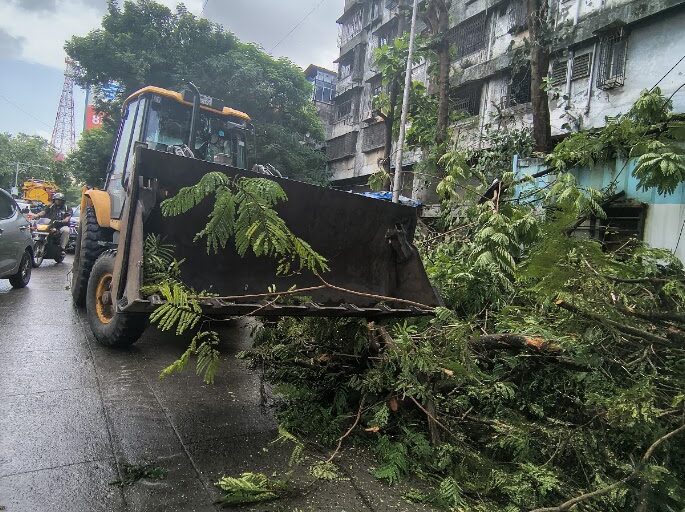
An independent single-member committee has been formed, but the boy’s father remains cautious and is exploring legal options. Environmental scientist Umesh Mundlye sees a deeper issue: civic apathy. “We treat trees merely as a resource… but never as a finite source of equal dignity.”
Psychologist Reshma Ashar described an “extinction of experience” — people no longer notice trees, so connection becomes impossible. Street trees, unlike forest ones, are isolated.
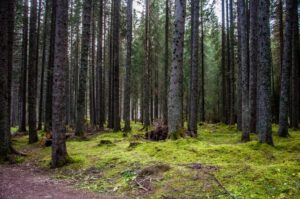
“Unlike trees in a dense forest that live in interconnected, cooperative communities, trees on streets are often cut off from the social networks that help them survive,” said SeasonWatch’s Sayee Girdhari.
During tree walks, she is repeatedly asked how a particular tree is “useful,” revealing an anthropocentric view that experts say must change. Mumbai needs a fundamental shift: urban design that treats trees as essential parts of the city’s ecosystem rather than obstacles to development. Without it, every monsoon will continue to turn shade into a threat.