How Greener Steel Relies On Ship Recycling, However…
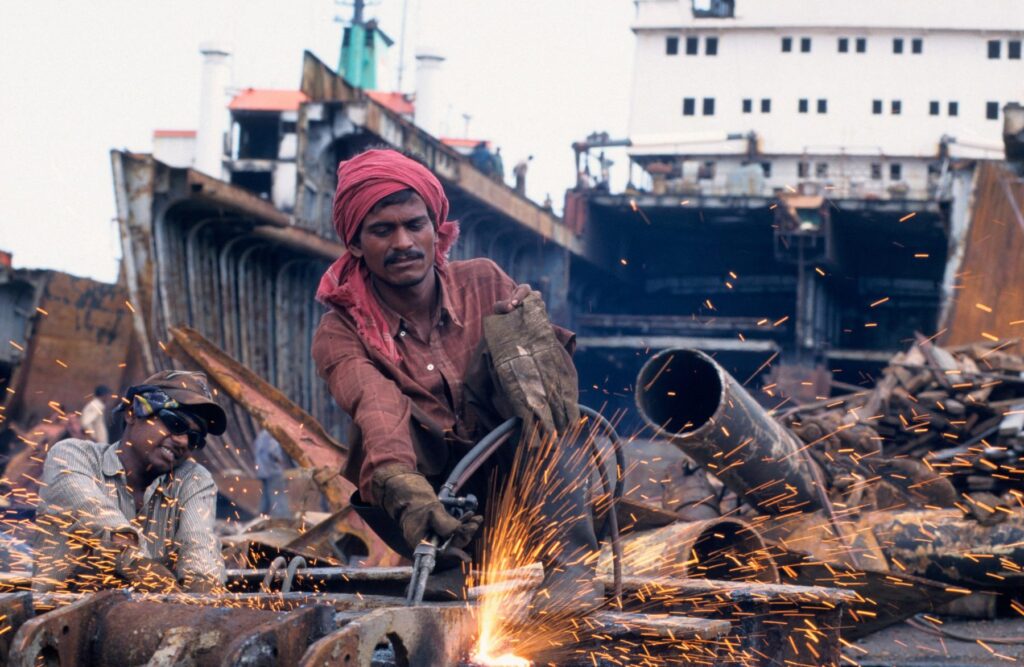
Over 80% of global shipping is recycled in South Asian yards, such as this one in Mumbai (Image: Joerg Boethling / Alamy)
* Old ships contain mountains of scrap needed for lower-carbon steelmaking. But the course from ship to furnace is made harder by global politics
On the shores of Alang in Gujarat, India, rows of retired ships await dismantling at the world’s largest ship-breaking yard. From a modest 50-metre beachside plot, Rushi Kanakiya’s family business, Triveni Shipbreakers, has been dismantling vessels since 1985. At full capacity, the yard processes around 2,000 metric tonnes of steel every month, feeding recycled material into the construction, automotive and shipping sectors.
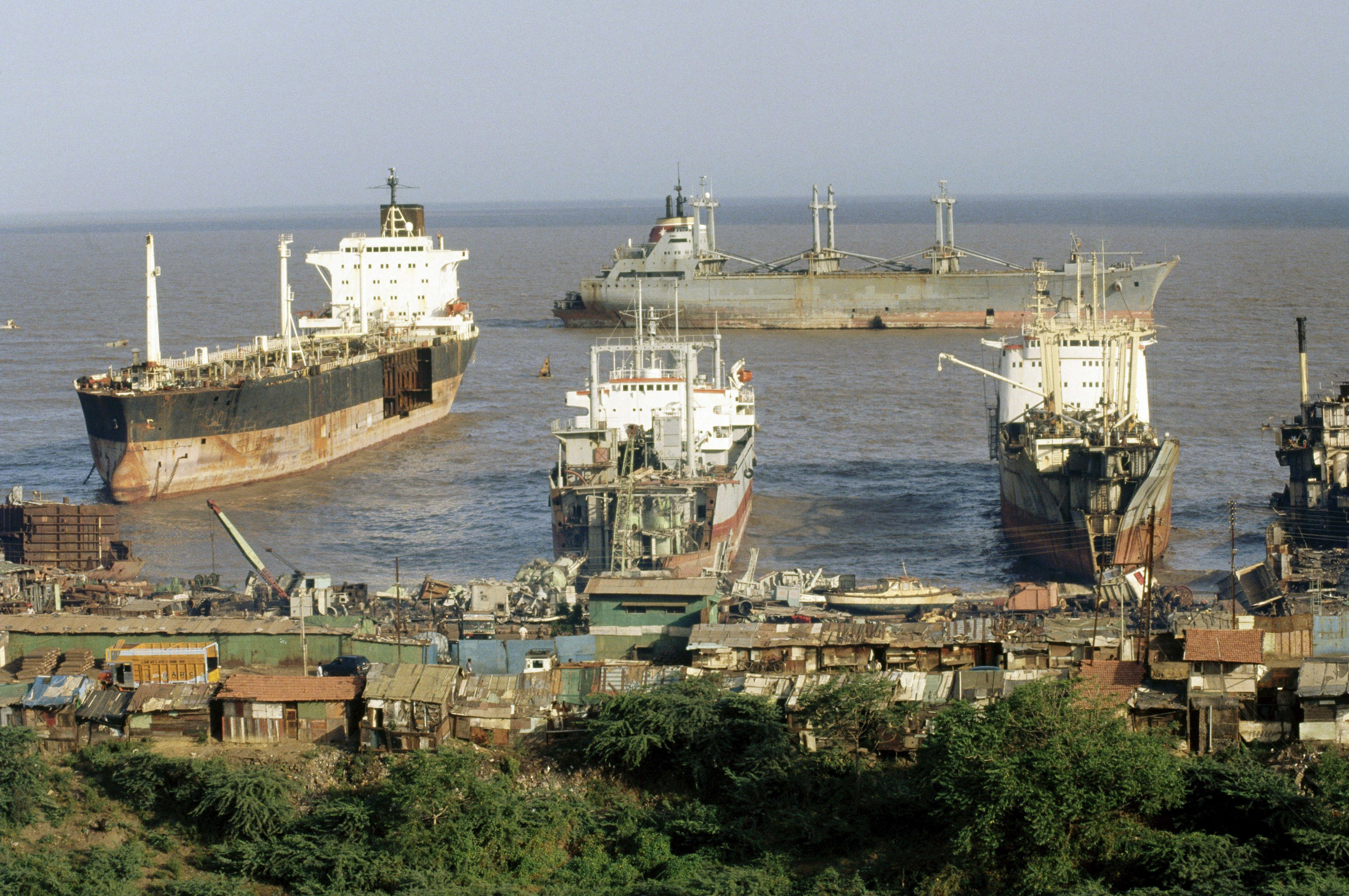
Yet despite a growing global push to reduce emissions from steelmaking, Kanakiya’s yard has been idle for more than four years.
“We employ close to 120 people, but that is when we are operational. Currently, we have been without a vessel for more than four years,” he says.
His experience highlights the contradiction at the heart of the global ship-recycling industry. While retired ships contain vast quantities of valuable, high-grade steel needed for decarbonising steel production, regulatory hurdles, market dynamics and international trade patterns continue to restrict the flow of vessels to recycling yards.
According to a 2019 estimate, more than 500 million tonnes of steel are locked inside the world’s shipping fleet. Over the next decade, nearly 16,000 ships—double the number retired in the previous decade—will require dismantling, potentially releasing almost 700 million tonnes of recyclable steel.
Alang alone has around 150 shipyards capable of recycling roughly one-third of the world’s scrapped ships. Together, they can process around 4.5 million metric tonnes of vessels at any given time. Between 75% and 85% of a ship’s weight is recovered and returned to industrial supply chains.
This growing supply of scrap steel comes at a crucial time. Steel production accounts for around 11% of global carbon dioxide emissions. Using recycled steel instead of virgin iron ore can reduce emissions by 80-90%, particularly when processed through electric arc furnaces, which can operate entirely on scrap steel. Conventional blast furnaces, by contrast, rely heavily on coal and can only accommodate about 20% recycled material.
“The capacity to recycle these ships is already in place; there is no multimillion-dollar investment needed,” Kanakiya says, contrasting ship recycling with more capital-intensive decarbonisation technologies such as carbon capture or alternative fuels.
The quality of steel recovered from ships is another major advantage.
“When big steelmakers are looking for scrap, they start looking into ship recycling, because one ship has thousands of tonnes of steel, and this is high-grade steel,” says Henning Gramann, an international expert in green ship recycling and guest professor at the World Maritime University in Sweden.
Although Europe owns more than one-third of the global commercial fleet, it recycles only about 1% of its ships within the European Union. More than 80% of global ship recycling takes place in South Asia, primarily in India, Bangladesh and Pakistan, where ship owners receive higher prices for end-of-life vessels.
This concentration has supported domestic steel industries. In Bangladesh, for example, around 40% of steel production comes directly from recycled ship steel. Meanwhile, Europe exports large volumes of low-grade scrap while losing valuable ship steel that could support its own transition to low-carbon manufacturing.
The Hong Kong International Convention for the Safe and Environmentally Sound Recycling of Ships, which entered into force last year, is expected to improve environmental and labour standards across the industry. The treaty requires ships registered under participating countries to be recycled at compliant facilities.
Kanakiya says his yard already operates according to the convention’s standards, offering hope that certified facilities could receive a more reliable flow of vessels in the future.
Regulations, trade and capacity constraints complicate the transition
Despite rising demand for recycled steel, several obstacles continue to limit ship recycling.
Kanakiya says the biggest challenge facing Indian recyclers is simply obtaining ships.
“Availability of ships has been consistently coming down” over the past five years, he says, noting that ship owners have often found it more profitable to keep older vessels operating rather than sending them for dismantling.
Global ship recycling has indeed declined sharply, falling from 37 million gross tonnes in 2012 to less than 5 million by 2024.
Another challenge is the absence of globally standardised recycling and traceability systems. Without reliable certification demonstrating that recovered steel is free from hazardous substances and meets quality standards, recycled ship steel often commands lower prices.
Price competition further shapes where ships are recycled. Bangladeshi and Pakistani yards frequently outbid Indian recyclers because their domestic steel industries depend heavily on imported scrap. In contrast, ship recycling contributed only around 0.5-2% of India’s 144 million tonnes of steel production during 2023-24.
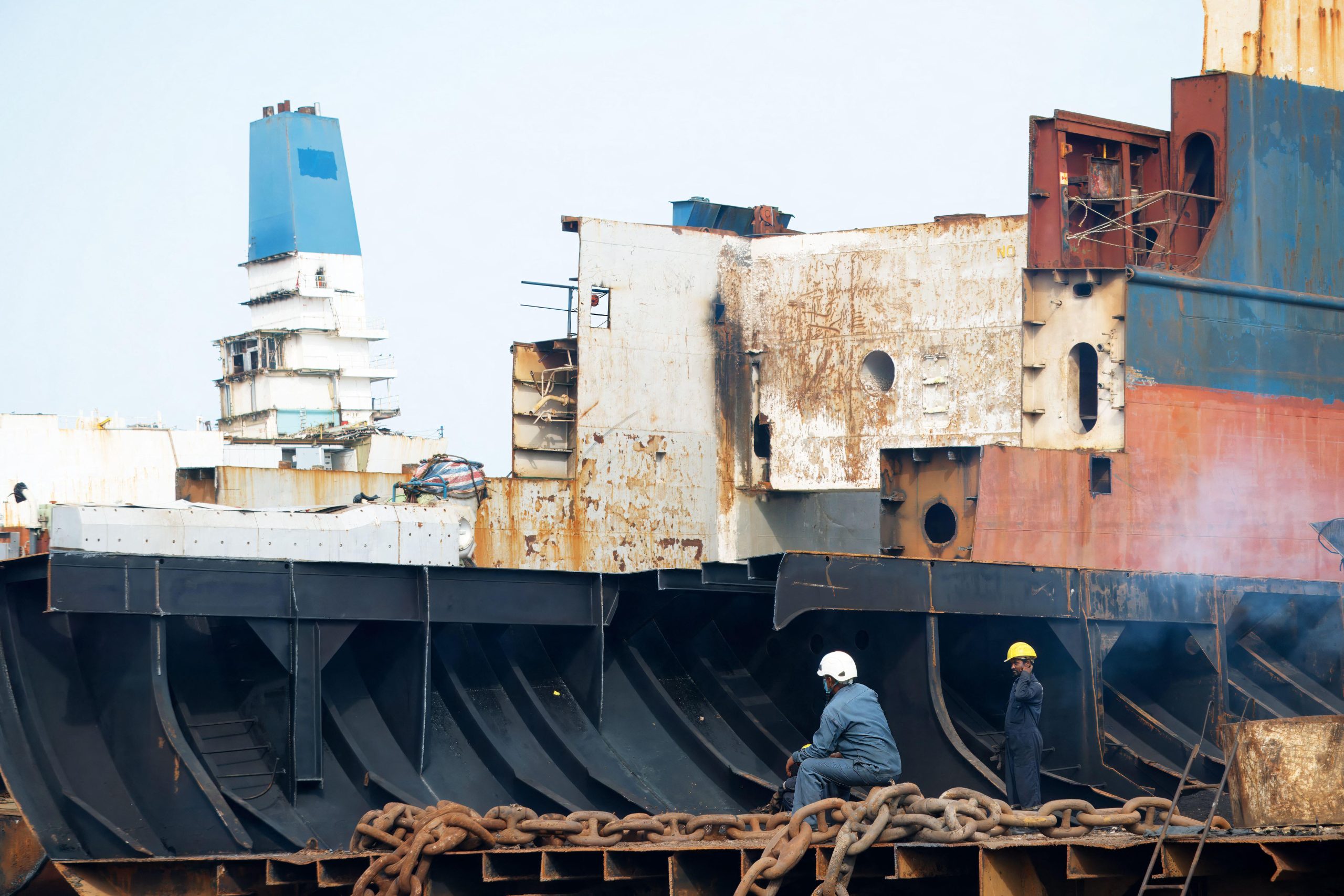
According to Climate Group India, the higher prices offered by neighbouring countries have often been made possible by weaker environmental safeguards and labour protections. As more Indian yards upgrade operations to meet international standards, this competitive balance may gradually change.
Meanwhile, Europe is pursuing its own strategy to secure recycled steel supplies.
The EU Ship Recycling Regulation (SRR), introduced in 2018, restricts where EU-flagged ships can be dismantled. Its standards are stricter than those required under the Hong Kong Convention and currently recognise only 41 approved recycling facilities—30 in Europe, 10 in Turkey and one in the United States. None are located in India, Bangladesh or Pakistan.
Benedetta Mantoan, policy manager at the NGO Shipbreaking Platform, argues that the regulation is weakened by widespread reflagging, where vessels switch to so-called “flags of convenience” before retirement.
“The ratio of ships sent to the beaches hasn’t changed since the entry into force of the EU SRR,” she says. “Still 90% of the global tonnage being recycled is ending up on beaches today.”
The organisation believes the EU should strengthen the regulation by closing this loophole, directing all European-owned ships to approved facilities and investing in additional recycling capacity within Europe.
New facilities are being planned in Denmark and Germany, while one study suggests a major recycling hub in Bremen could eventually process around 90% of EU-owned ships. However, other research indicates that even with planned investments, approved European facilities will struggle to meet future demand.
Gramann estimates that by 2035 there will be roughly 320 Hong Kong Convention-approved recycling facilities worldwide, compared with 129 today. Even that expanded network would still be insufficient to handle the estimated 16,000 vessels expected to retire over the next decade.
He also questions whether the EU applies consistent standards globally.
“All these discussions about beaching/no beaching are not helping. They try to cut off the vast majority of the global ship recycling capacity, and they’re not looking into the standards and quality approaches achieved,” Gramann says.
Climate Group India notes that many Indian shipyards have invested heavily in cleaner operations and improved worker safety in pursuit of international recognition. Rather than excluding these facilities, industry observers argue that supporting their continued improvement could significantly expand global recycling capacity and ensure enough high-quality scrap steel is available to accelerate the transition to low-carbon steelmaking.
(Published under Creative Commons from Dialogue-Earth)