Trump’s Midterm Setback: A New Check On Presidential Power
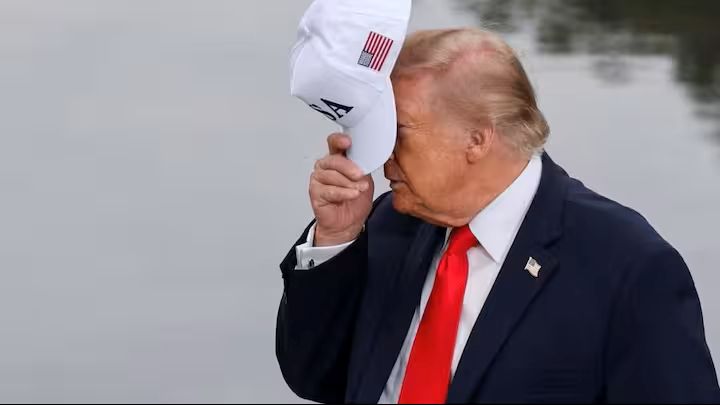
The result of the US midterm election is more than a change in congressional arithmetic. It reflects voter dissatisfaction with the Trump administration’s handling of the economy, the rising cost of living and the war with Iran (Image: Reuters)
The November 3 midterm elections have altered the balance of power in Washington, delivering Democrats control of both chambers of Congress and giving President Donald Trump the most consequential electoral setback of his second term. The result is more than a change in congressional arithmetic. It reflects voter dissatisfaction with the administration’s handling of the economy, the rising cost of living and the war with Iran. It also signals that the presidency, despite the considerable authority Trump has exercised, will face a more assertive legislature during the final two years of his term.
Democrats made gains in states that had appeared firmly Republican, including Texas, South Carolina, Iowa and Kansas. They also overturned Republican-held seats in the House, with gains extending into districts that had not been considered competitive. In the Senate, Democrats secured a majority after flipping six Republican seats. The scale of the shift was striking in states that Trump had carried comfortably in 2024.
The result is a rebuke to the administration, but its significance should not be reduced to a referendum on Trump’s personality. Voters were also expressing discontent with the consequences of policy choices. The Iran war, launched in February, contributed to a sharp rise in petrol prices, while persistent anxieties over household expenses made the administration’s economic claims harder to sustain. The election exposed the limits of a political strategy that has often relied on projecting strength while treating criticism as partisan obstruction.
Congress is no longer a reliable instrument of the White House
The immediate consequence will be a change in the legislative environment. With Democrats controlling the House and Senate from January, Trump can no longer count on Republican majorities to advance his priorities or shield his administration from scrutiny. Democratic committee chairs will have the authority to call hearings, issue subpoenas and investigate decisions across the executive branch. The administration can expect questions over the conduct and costs of the Iran war, the use of executive power, government spending and possible conflicts of interest.
Congressional oversight is not, by itself, proof of wrongdoing. Nor does a change in party control mean every investigation will produce a substantive finding. But the prospect of sustained scrutiny will place pressure on the White House to provide explanations and records that a supportive Congress might not have demanded.
Legislation will also become harder to pass. Democrats can block or reshape bills, while disagreements over budgets and government funding could become recurring sources of confrontation. The Senate’s procedural rules and the possibility of a presidential veto will constrain the opposition, just as they will limit the administration’s ability to push through its programme. The likely outcome is not a complete transfer of governing authority, but a period of institutional contestation and legislative deadlock.
Trump’s response will therefore matter. He has shown little indication that he regards the results as a reason to change direction, and has publicly rejected the idea that the election was a personal setback. Republican allies, however, have called for a reassessment of policies, a change in White House personnel and greater attention to the economic pressures facing voters. The disagreement within the Republican camp could become more pronounced as politicians begin positioning themselves for the 2028 presidential election.
Executive power may become the next battleground
Trump retains considerable presidential authority over foreign policy, immigration and executive regulation. He can issue executive orders and direct federal agencies, but these actions remain subject to legal and congressional scrutiny. With Democrats controlling both chambers, the White House may increasingly rely on unilateral executive action, potentially triggering further legal challenges and institutional confrontation.
The Iran war is likely to be a major point of contention. Democrats will have greater scope to question its objectives, costs and strategy, although the president retains considerable authority as commander-in-chief. Trade and immigration policies will also face closer scrutiny. Democrats can challenge the impact of tariffs and restrictions on foreign workers, but reversing existing executive measures will not be straightforward.
Economic concerns were central to the electoral backlash. Rising fuel prices linked to the Iran conflict and persistent household expenses have exposed the gap between the administration’s promises and voters’ everyday experiences. Unless Trump addresses these concerns, political opposition could intensify.
The results have also opened a debate within the Republican Party over its future direction. While Trump continues to dominate the party, the defeat has prompted calls to reassess policies and personnel. Vice-President JD Vance and other potential successors will have to contend with the administration’s record as the party looks towards 2028.
Democrats, meanwhile, must demonstrate that their victory amounts to more than opposition to Trump. Alongside congressional investigations, they will need to present credible alternatives on the economy, healthcare and immigration.
The midterm verdict has not ended Trump’s presidency or stripped him of executive powers. But it has fundamentally changed the political environment in which he governs. Whether the next two years bring greater accountability and negotiation or deeper institutional paralysis will depend on how both sides respond to this new balance of power.