A Changing Climate Is Reshaping India’s Infectious Disease Risks
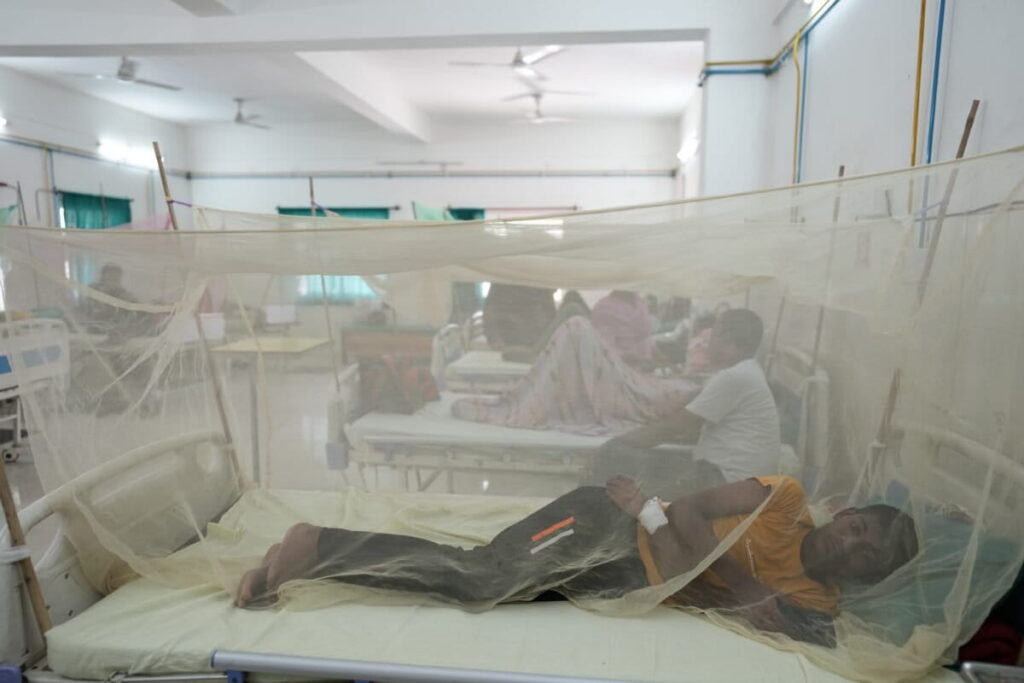
Dengue patients receive treatment at a hospital in Prayagraj, Uttar Pradesh, following the monsoon of 2022 (AP Photo/Rajesh Kumar Singh)
When extreme weather strikes, the damage is usually measured in flooded homes, collapsed buildings and disrupted roads. But heatwaves, droughts, erratic rainfall and floods also create a less visible public-health threat: they can alter the conditions that allow infectious diseases to spread.
Changing temperatures and rainfall can affect how long pathogens survive, alter the distribution of mosquitoes and other disease vectors, and increase contact between people, animals and contaminated environments. India’s health authorities are increasingly trying to anticipate these risks through surveillance and early-warning systems, but experts say gaps in infrastructure, data quality and coordination could limit the country’s ability to prevent outbreaks.
Floods, droughts and shifting disease patterns
Heavy rainfall and flooding can overwhelm sewage systems, contaminate water supplies and create conditions favourable for waterborne diseases. “Floodwater overwhelms sewage systems and mixes human and animal waste into water sources, while warmer temperatures help pathogens survive longer,” said Surya Prasad, a consultant physician at Manipal Hospital, Bengaluru.
Cholera and other bacterial diarrhoeal diseases often increase during warmer and wetter periods. A 21-year study from Kolkata found that cholera cases followed a biannual pattern, with peaks associated with rising summer temperatures and the onset of the monsoon. Hepatitis A and E cases also tend to rise during and after the monsoon, with outbreaks in Delhi and Mumbai linked to sewage contamination of water supplies.
The risk can extend beyond conventional waterborne diseases. A study in Chennai found that hospitalisation for gastrointestinal illnesses was 60% higher in the 15 days following an extreme rainfall event.
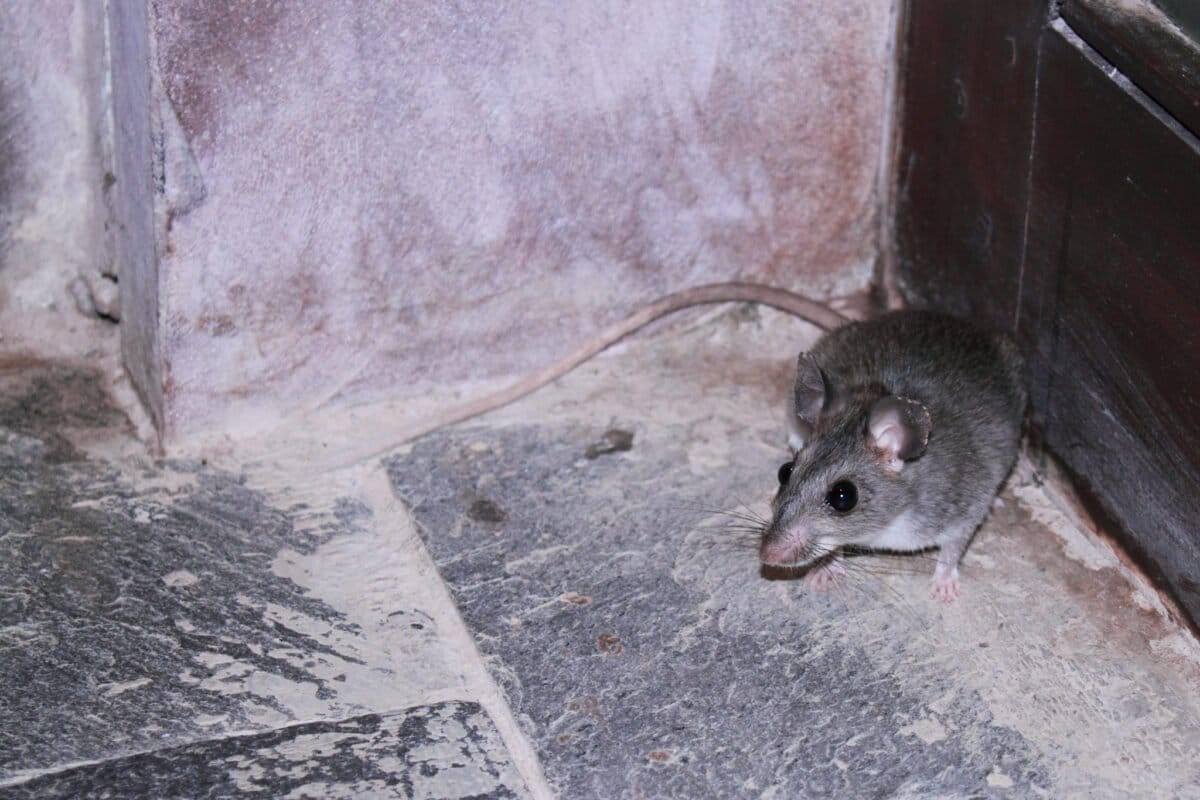
Flooding can also increase exposure to zoonotic infections. “Rats are the primary hosts of Leptospira. During the monsoon, flooding drives them out of sewers, burrows and other hiding places into homes and drains,” Prasad said. After the 2018 floods, Kerala recorded 1,318 leptospirosis cases, including 53 deaths.
But climate change may also be disrupting familiar seasonal patterns. “Earlier, the cases of Hepatitis A, Hepatitis E and cholera were largely seen during the high temperatures of the pre-monsoon season. But over the past 10 years, we have been seeing these infections more frequently, and throughout the year,” Prasad said.
The risks are not confined to excess rainfall. During droughts, people, livestock and wildlife may be forced to share shrinking water sources, increasing opportunities for pathogen transmission. Water shortages can also reduce access to sanitation and encourage the use of unsafe or alternative sources. Water stored for long periods in containers can additionally create breeding sites for mosquitoes.
Changes in temperature and rainfall can alter mosquito behaviour and distribution, potentially expanding the geographical and seasonal range of diseases such as dengue and malaria. “Extreme weather events, such as intense rain or those leading to a natural disaster, can change the risk of specific infectious diseases,” said Gautam Menon, professor of Physics and Biology at Ashoka University.
Infrastructure can amplify the health threat
Climate-driven disease risks become more serious when extreme weather collides with weak urban infrastructure. Poor drainage, construction on floodplains, loss of natural water-retention areas and ageing sewage networks can increase exposure to contaminated water.
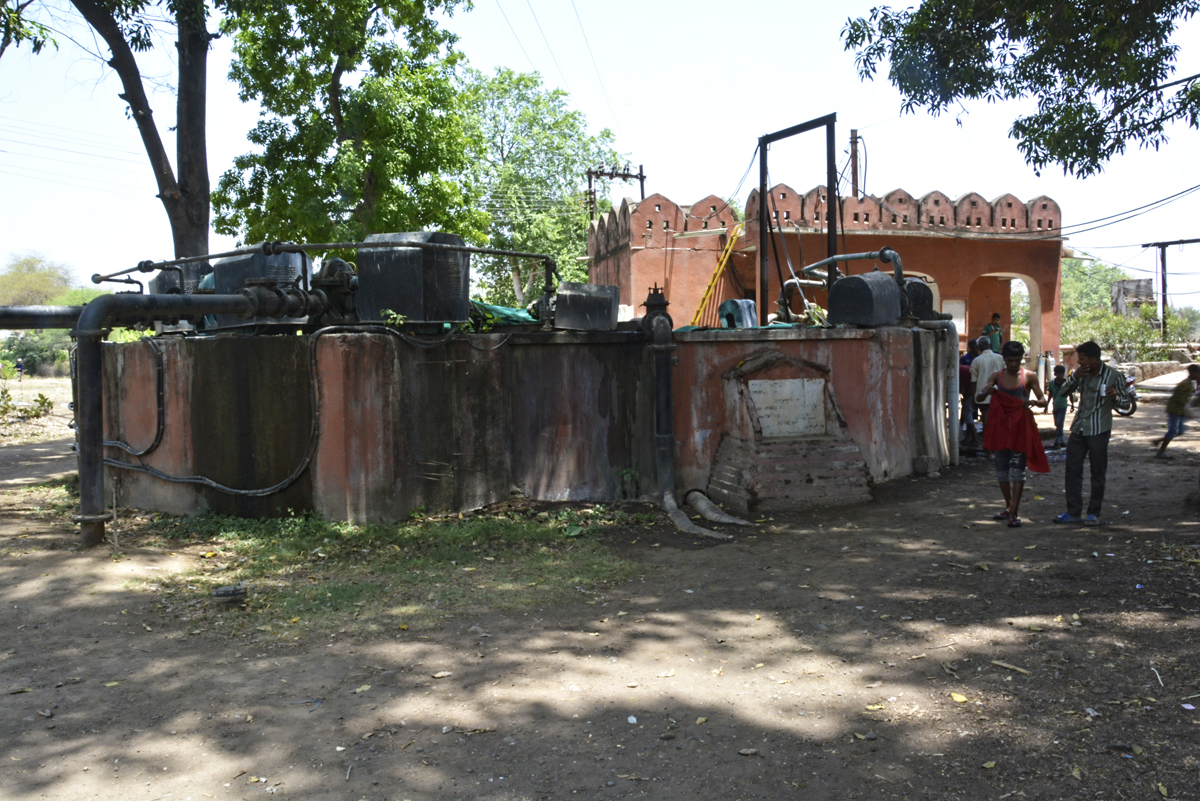
Many drainage systems were designed using historical rainfall patterns that no longer adequately reflect increasingly intense rainfall. In several cities, drains are also poorly maintained and can become clogged with silt, debris and waste, worsening urban flooding.
The Comptroller and Auditor General has noted that municipal authorities in many cities lack updated maps of underground drainage networks. Some systems are decades or even more than a century old.
“When people are displaced, ensuring safe water in relief camps can also be difficult, while overwhelmed health services can delay basic treatment such as rehydration,” said Sitara S.R. Ajjampur, senior professor of Microbiology and head of the Wellcome Trust Research Laboratory.
Infrastructure gaps can be particularly dangerous in rural areas. “Damaged water pipes and storage systems, and runoff from pit latrines contaminate groundwater, particularly in rural areas,” Ajjampur said.
The result is a cycle in which extreme weather damages infrastructure, damaged infrastructure increases exposure to pathogens, and overstretched health systems then struggle to respond.
From reacting to outbreaks to predicting them
Experts say India needs to move beyond responding to outbreaks after they occur and develop systems that can anticipate where and when climate-sensitive diseases are likely to emerge.
India’s National Action Plan for Climate Change and Human Health (NAPCCHH) was developed to strengthen surveillance, preparedness, early-warning systems, health-system capacity and climate-resilient infrastructure. The National Centre for Disease Control is the nodal agency for the programme, while climate-sensitive disease surveillance and health adaptation plans are being implemented across states.
The government has also integrated climate and health surveillance into the Integrated Health Information Platform, while national programmes monitor diseases including dengue, malaria, diarrhoeal illnesses and leptospirosis.
However, experts say the biggest challenge is connecting information that currently exists in separate systems. “India’s exposure to climate-sensitive disease is unusually high,” Menon said. “A fundamental gap is surveillance, which often detects outbreaks late. Integration between health data and environmental data is not well-developed.”
Local forecasting could help bridge that gap. A 2025 Pune study developed a model capable of predicting dengue risk more than two months ahead using temperature, rainfall and humidity. Such models could allow authorities to increase surveillance, prepare hospitals and undertake vector-control measures before cases surge.
But prediction is only useful if authorities can act on it. “We have health surveillance, weather and infectious disease data, but these datasets need to be integrated, and their quality also needs to improve,” said Purvi Patel, associate fellow for Adaptation and Resilience at Sustainable Futures Collaboratives.
“We also need to ground-truth these data and build the capacity to use them for early action,” she added. “The goal should be to prevent climate-related outbreaks, rather than simply responding.”
India has begun building the institutional framework needed for that shift. The challenge now is to connect climate, environmental and health data, strengthen basic infrastructure and ensure that warnings translate into action. As extreme weather becomes more frequent and unpredictable, preventing the next outbreak may depend as much on drains, water systems and data networks as on hospitals and medicines.