Indigenous Tribes In Andaman And Nicobar Islands Face Rising Threats
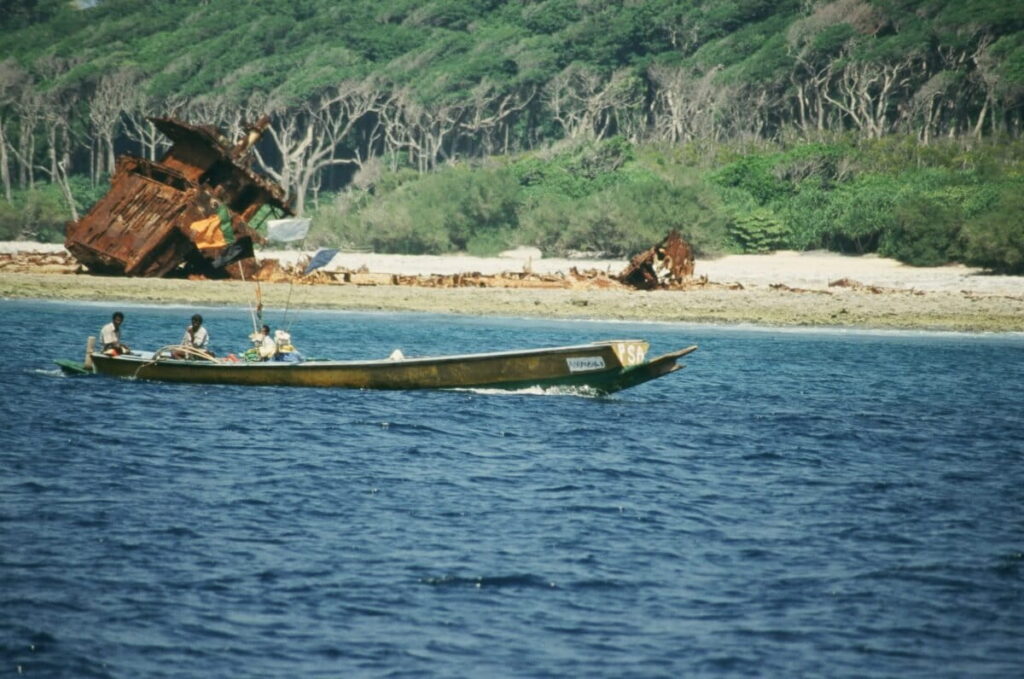
Fishermen from South Andaman lay gillnets around North Sentinel Island in 1999. Skin diving lobster fishing, hook & line fishing, trawlers, etc. are also being operated (Image courtesy of Manish Chandi)
The tribal reserves of India’s Andaman and Nicobar Islands are among the archipelago’s richest ecological and culturally significant areas. Yet, Indigenous communities living in voluntary isolation or with limited contact are increasingly facing threats from resource exploitation, development projects, outside interference and changing government policies.
Manish Chandi, a former research scholar who has spent more than two decades working with tribal communities, says the islands’ tribal reserves remain remarkably rich because they have largely escaped timber extraction, settlement and intensive development.
“The areas declared as tribal reserves are large and encompass geographical extents of where each tribal community exists,” Chandi told Mongabay. According to him, these reserves contain an exceptional diversity of forests, coastal ecosystems, coral reefs and wildlife.
Six tribes, different levels of contact
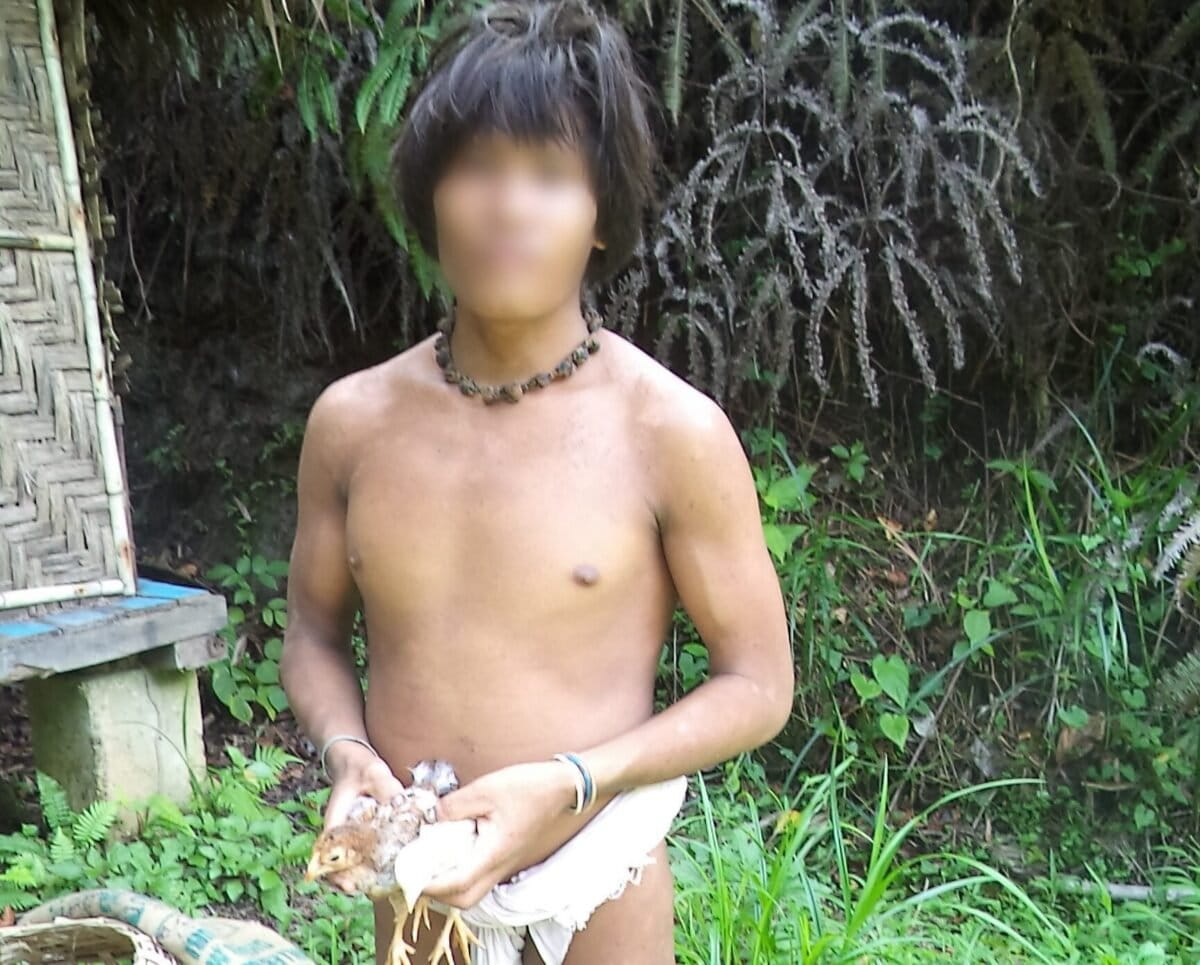
The six recognised tribal communities of the archipelago have experienced very different levels of contact with the outside world. The Sentinelese and Shompen continue to live in voluntary isolation, while the Ang, commonly known as the Jarawa, maintain limited contact. The Onge have regular interaction with the administration, while the Great Andamanese and Nicobarese are fully integrated into mainstream society.
These differences are important because each community has distinct relationships with its land, forests and marine resources. Chandi argues that policies designed without understanding these differences can undermine Indigenous autonomy and traditional livelihoods.
North Sentinel’s rich marine ecosystem
North Sentinel Island, home to the Sentinelese, remains one of the most protected and least disturbed ecosystems in the region. Its coastal waters contain shallow reefs and marine habitats that provide important food resources for the islanders.
“I have seen them [groups of men, women and children] foraging and collecting these food resources during low tide on several occasions,” Chandi said, referring to the Sentinelese gathering mollusks and other edible resources.
He added that these shallow-water habitats are “very important” because such resources are relatively scarce around the island. The surrounding coral reefs are equally important, providing fish and other marine resources.
Outside fishing threatens Sentinelese resources
Sentinelese people use canoes to access the reefs and hunt fish and turtles using traditional weapons. However, these same waters are increasingly being exploited by outside fishermen.
According to Chandi, fishermen and trawlers from the Andaman Islands are entering waters around North Sentinel in search of commercially valuable fish, sharks, crabs and lobsters. Sea turtles, including green and hawksbill turtles, are also targeted.
“This unequal use and exploitation between non-tribal peoples from the Andaman and the Sentinelese Islanders is very concerning,” he said.
Chandi believes weak enforcement has allowed such activities to continue. He warned that the expansion of commercial fishing could further increase pressure on marine resources that the Sentinelese depend upon for survival.
Great Nicobar Development Project raises concerns
The Shompen of Great Nicobar face a different but equally serious threat from a proposed large-scale development project. The project includes infrastructure and commercial facilities and involves the proposed de-notification of a substantial portion of tribal reserve land.
Chandi argues that the Shompen and Nicobarese have not consented to the project.
“They too wish for development and change, but on their terms and in their ancestral lands,” he said.
He also disputes official claims that the project will not displace tribal communities. According to Chandi, several Shompen settlements and their hunting and foraging territories are located within areas proposed for development.
“It is a fact that three to four Shompen habitations and their entire foraging and hunting territories are within the forested area demarcated for this project,” he said.
Displacement and loss of ancestral lands
The proposed development also raises concerns for the Nicobarese, many of whom were displaced from their ancestral lands by the 2004 tsunami.
Chandi says they continue to seek the opportunity to return to their traditional territories, even as some of those lands are being considered for tourism and commercial development.
He argues that Indigenous communities should not be treated simply as beneficiaries of government rehabilitation programmes. Instead, their rights to ancestral lands, food resources and traditional livelihoods need to be recognised.
Dependence can undermine self-sufficiency
Beyond individual projects, Chandi identifies a broader problem in the way Indigenous communities are perceived and governed. He argues that treating isolated or relatively autonomous communities as backward and dependent can undermine their self-sufficiency.
“Some officials in the islands do not see this as a priority,” he said, noting that government-provided food and other supplies can increase dependence on external systems rather than supporting traditional livelihoods.
He believes the protection of tribal reserves must therefore focus on Indigenous autonomy rather than simply providing rehabilitation or welfare schemes.
Protecting indigenous autonomy
“Conserving their lands and resources on their terms using our means and policing resources is a paramount need for future generations to thrive and evolve,” Chandi said.
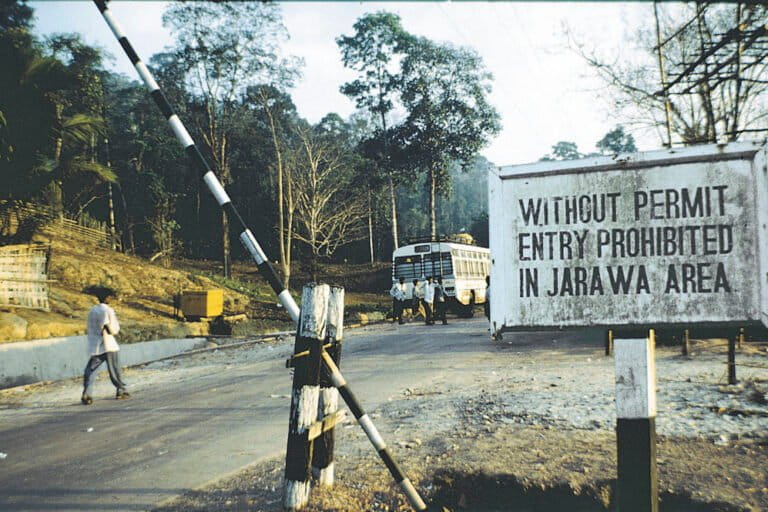
He also warns against the curiosity of outsiders, including tourists and social media influencers, who may view isolated communities as objects of fascination.
“Curiosity and ignorance regarding the islanders is quite high,” he said, calling for greater respect and dignity in how Indigenous peoples are perceived.
For Chandi, protecting these communities ultimately requires a shift away from imposed solutions. Government agencies, he says, need to better understand the distinct circumstances of each community and ensure that decisions concerning their lands and resources respect their rights and choices.
“Imposition has never worked,” Chandi concluded. “Participation, respect, consensus and appreciation over time are what can make a huge difference to the positive future of the islanders, both Indigenous and settled.”
(Published under Creative Commons from Mongabay-India)