Epochal: From Invisible Workers To Recognised Women Farmers
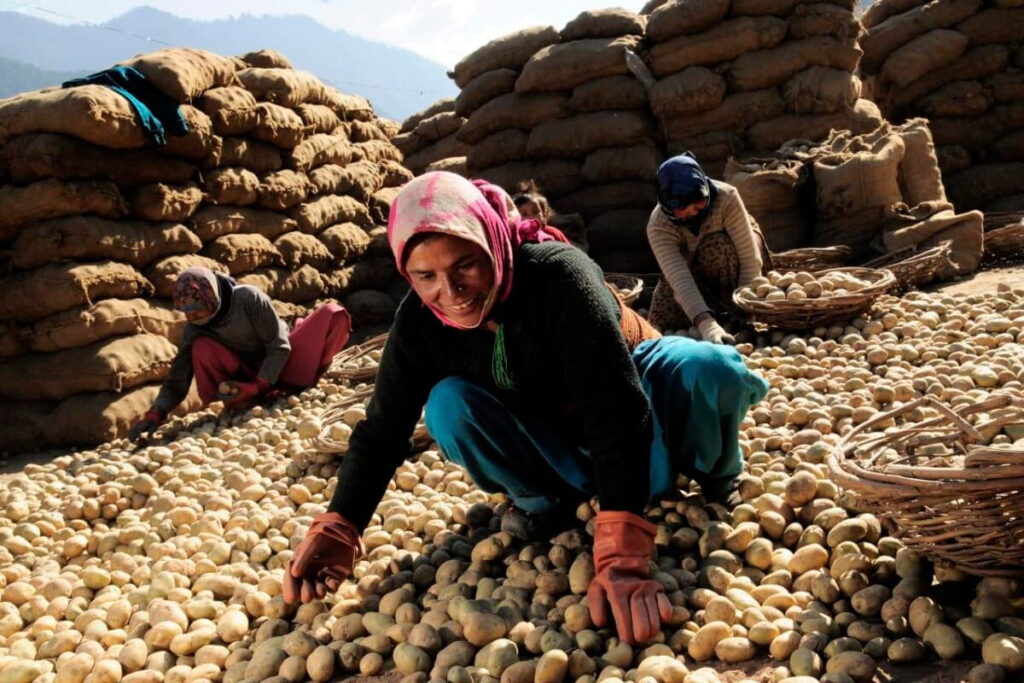
Women harvesting potatoes. Nationally, women make up close to 60% of the agricultural workforce but hold less than 15% of land titles (Image by Neil Palmer)
Across India, women are taking on an increasingly central role in agriculture. As men move into non-farm employment, women are managing fields, tending livestock, raising poultry, working in fisheries and processing farm produce. Yet greater responsibility has rarely translated into greater control over land, assets, credit or farm decisions.
Maharashtra’s Women Farmers’ Empowerment Act 2026 seeks to address that gap by changing one fundamental question: who gets to be recognised as a farmer?
A farmer does not have to own land
From October 2, Maharashtra is set to begin issuing Women Farmer Certificates (WFCs) to women engaged in agriculture and allied activities, even if they do not own the land they work on.
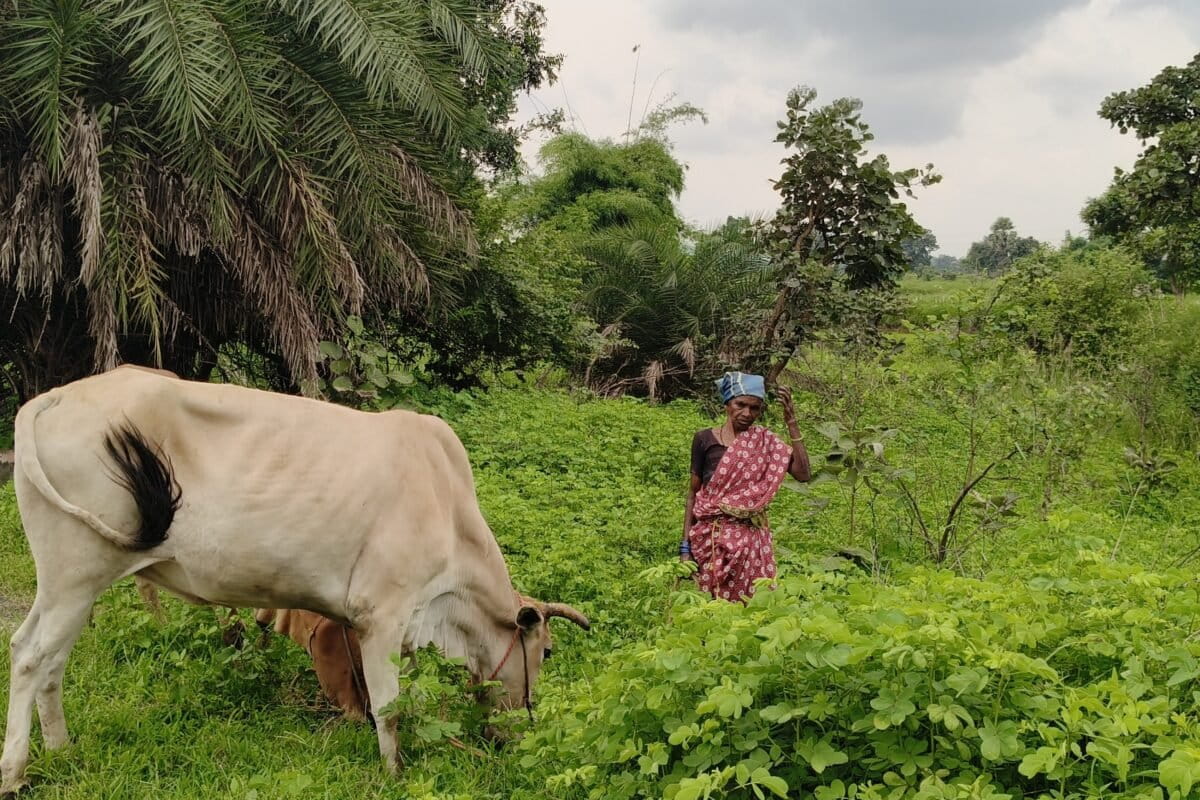
The move could bring lakhs of women into the formal definition of a farmer and potentially improve their access to government schemes, credit, insurance, training and other agricultural services.
The need is considerable. Women account for close to 60% of India’s agricultural workforce, according to figures cited by Union Minister of State for Agriculture Ramnath Thakur in Parliament, but hold less than 15% of land titles. In Maharashtra, about 82% of the rural female workforce is engaged in agriculture, while women hold only around 15.5% of operational farmland.
This disconnect between labour and ownership has practical consequences. Without land titles, women can struggle to access institutional credit, irrigation, technology, extension services and government support.
Lessons from the field
Experiences from Maharashtra suggest that recognition and collective action can strengthen women’s role in agriculture.
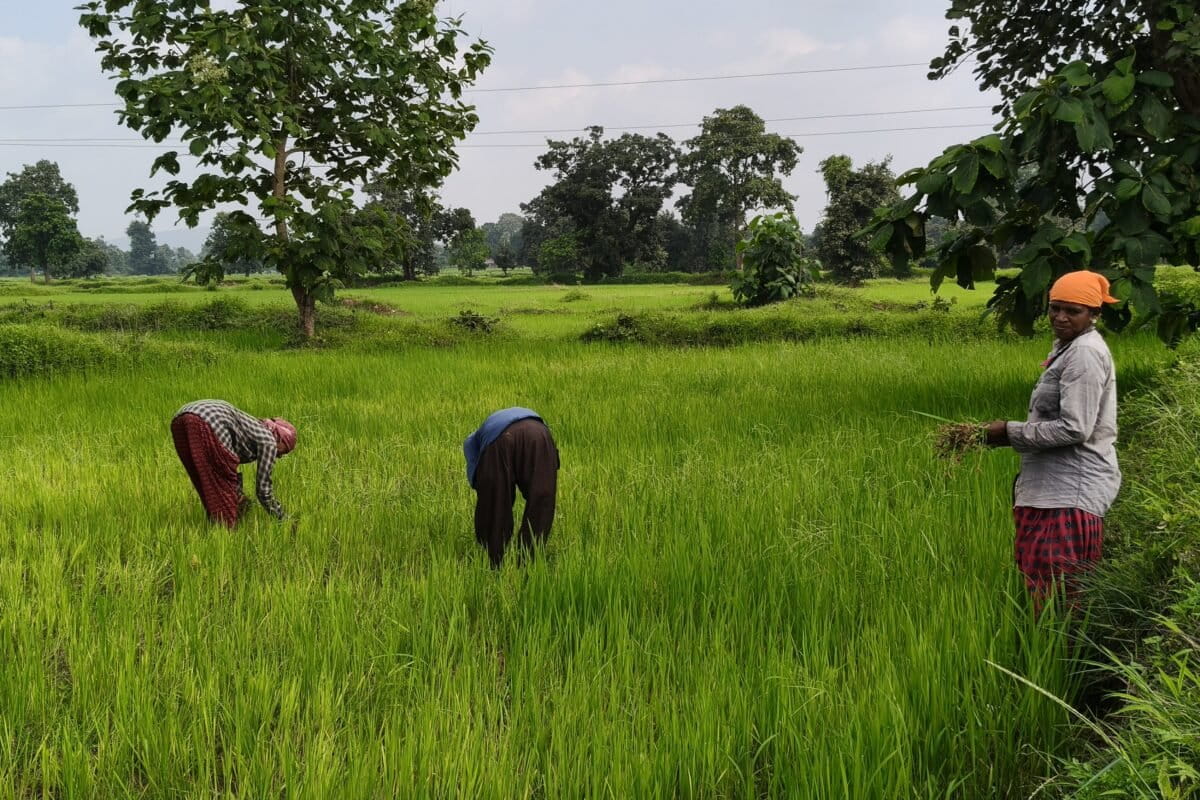
In Vidarbha, the M.S. Swaminathan Research Foundation (MSSRF) worked with women farmers in Wardha and Yavatmal through the Mahila Kisan Sashaktikaran Pariyojana (MKSP), which later became part of the National Rural Livelihoods Mission.
The programme brought together sustainable farming practices, leadership training and collective organisation, including through local women’s groups. It particularly supported vulnerable women, including widows of farmers affected by agrarian distress.
The experience demonstrated that women can quickly adopt practical solutions when they have access to knowledge, resources and institutional support.
Training in climate-resilient agriculture, resource management and labour-saving technologies can also strengthen women’s decision-making power. Combining scientific knowledge with women’s lived experience can improve farm-level decisions.
Collectives are equally important. Markets and mandis remain largely male-dominated, while women often face barriers related to mobility, market information, storage and processing. Self-Help Groups, cooperatives and Farmer Producer Organisations can help women gain access to credit, inputs, markets and leadership opportunities.
How the law took shape
The Maharashtra legislation emerged from a process that began with a meeting between MSSRF and Chief Minister Devendra Fadnavis in September 2025. The organisations subsequently signed a Memorandum of Understanding, while MSSRF established a technical advisory group and the Vidhi Centre for Legal Policy joined as the legal drafting partner.
Women farmers were central to consultations held in Mumbai, Pune, Chhatrapati Sambhajinagar and Nagpur.
They highlighted practical barriers to accessing schemes for subsidised pumps, irrigation, crop and livestock insurance, Kisan Credit Cards and agricultural credit. They also pointed to their exclusion from the Agristack, which relies heavily on land records to identify farmers.
Suggestions included lower interest rates for credit taken in women’s names and changes to existing schemes to encourage families to add women’s names to land records.
The Bill was passed unanimously by the Maharashtra Legislative Assembly on July 2, 2026, and subsequently by the Legislative Council.
What the Act changes
The Act adopts a broad definition of agriculture and farming. It recognises people involved in crop cultivation, animal husbandry, poultry, fisheries, agroforestry, vermiculture, mushroom cultivation and primary processing, whether they work as owners or labourers.
It also provides for a state-level Women Farmer Empowerment Cell, a monitoring committee, a database of women issued WFCs and Women Farmers’ Assistance Officers at district and block levels.
The certificate could therefore become a gateway to training, government programmes, climate-resilient technologies and other entitlements.
But recognition alone will not resolve the deeper problem.
Recognition is not ownership
A Women Farmer Certificate can establish a woman’s identity as a farmer, but it does not give her ownership of agricultural land. That distinction matters.
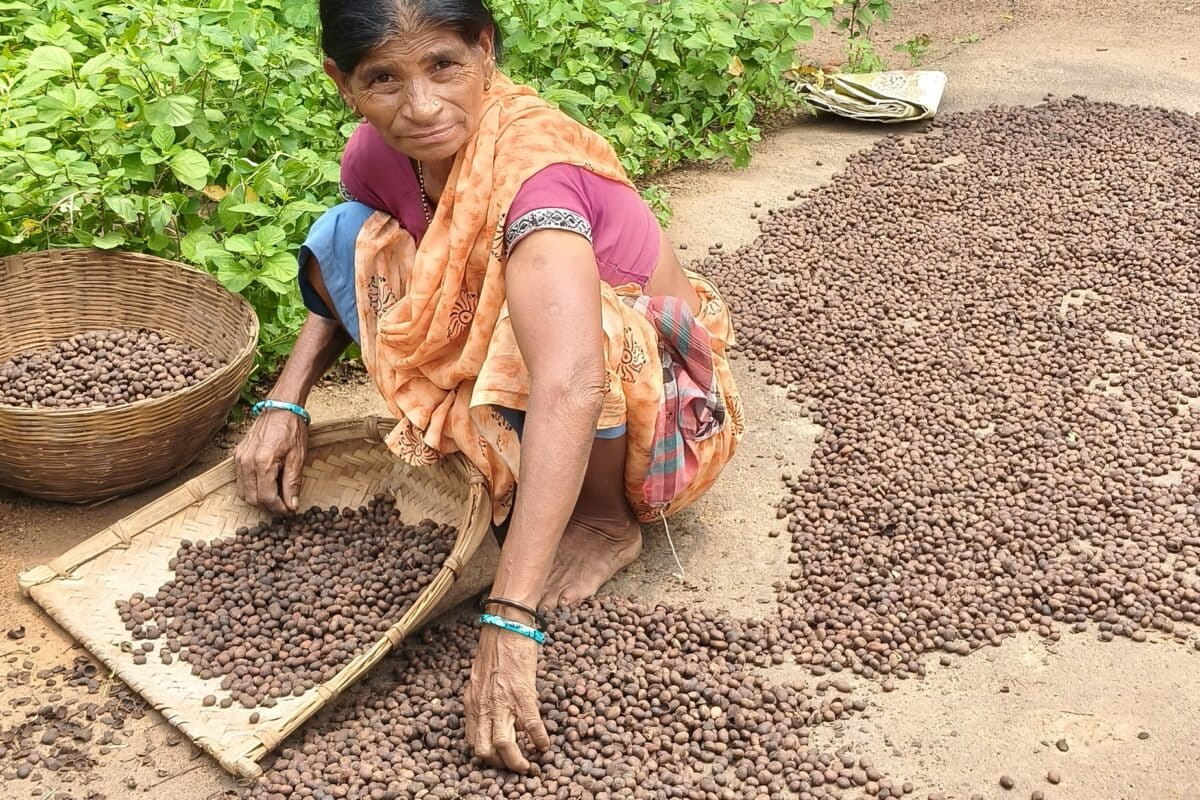
For lasting change, gender-equitable land governance must accompany recognition, including joint land titles and stronger enforcement of women’s property rights. Land ownership gives women decision-making authority and bargaining power that can survive changes in household circumstances.
The WFC is therefore best seen as a beginning rather than an endpoint.
As Maharashtra prepares to issue the first certificates, the crucial test will be whether banks, government departments, insurance providers, markets and other institutions recognise them in practice.
If they do, Maharashtra’s legislation could help close a long-standing gap between the women who sustain agriculture and the systems that decide who qualifies as a farmer.
The larger shift may be even more fundamental: moving beyond the traditional image of the farmer as a man who owns land, towards a definition that reflects the many women—and men—who actually sustain India’s food systems.