Nights Are Now Warmer, Science Confirms What Indians Experience
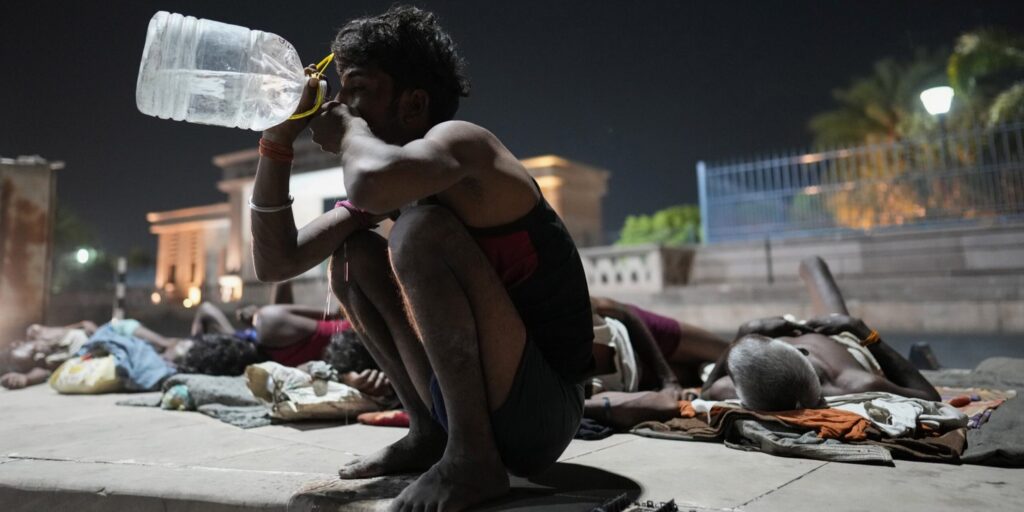
A man drinks water as people sleep on a roadside in Lucknow, Uttar Pradesh in the summer of 2024 (Representative image; AP Photo/Rajesh Kumar Singh)
- Minimum temperatures are rising across the country with many states and UTs seeing warmer nights.
- Even as IMD flags warm nights, nighttime heat is not a primary criterion in India’s heatwave declaration protocols, and most Heat Action Plans remain focused on daytime temperatures.
- Concrete-heavy cityscapes, pollution and humidity are intensifying nighttime temperatures, raising health risks for many.
Indians are increasingly experiencing nights differently in summers. Nights have become warmer than before, something even the India Meteorological Department is increasingly mentioning in its bulletins. Minimum temperatures, recorded late night or early morning when the sun’s down, have risen.
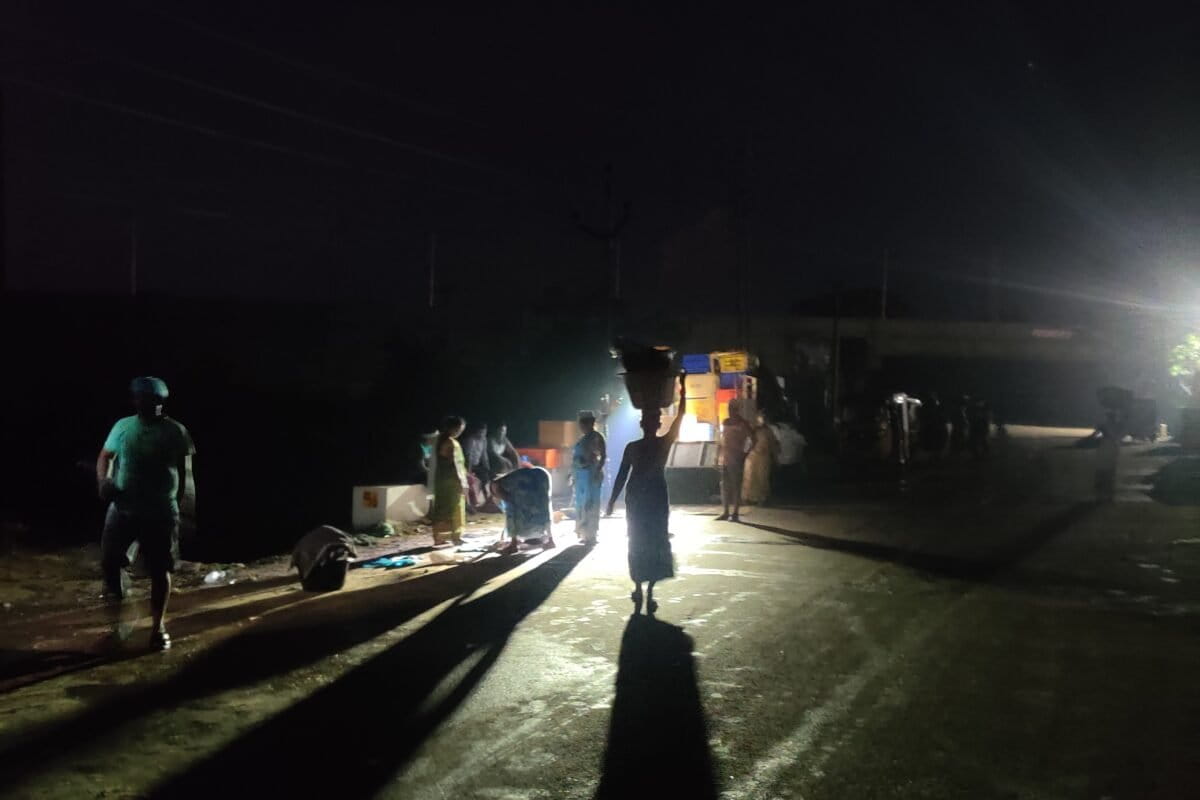
The IMD’s seasonal outlook for April to June 2026 predicted that maximum temperatures are likely to be normal to below normal in this period in many parts of the country. However, minimum temperatures, or the lowest temperatures in a 24-hour cycle, are expected to remain above normal over most parts of India.
The World Meteorological Organization (WMO), on the other hand, noted recently that an El Niño is likely to develop in 2026 — an 80% chance of it forming in the June-August period and a high chance of it persisting into late 2026. This could result in above average temperatures and a greater risk of heatwaves, droughts, floods, and other weather extremes worldwide.
Many parts of India are witnessing unusually high minimum temperatures, with several locations recording minimum temperatures close to 30°C. In the last week of May, IMD observations indicated that minimum night temperatures were warmer than normal by 3.1°C to 5.0°C.
A warm night, as per IMD’s definitions, is when the night-time temperature is at least 4.5-6.4°C above normal and when maximum temperatures are or more than 40°C. “A very warm night is when the departure (of minimum temperature from normal) is over 6.4°C,” S.D. Sanap, a scientist at Climate Research Services, IMD Pune, explains. This threshold is true for hilly regions and coastal areas as well.
India’s minimum temperature average for the period 1991-2020 is around 21 degree Celsius but with daily, seasonal and regional variations, says Sanap.
IMD’s annual report in 2025 noted that India’s annual maximum temperature was 0.10°C above the 1991-2020 average, whereas the minimum temperature was significantly higher at 0.49°C.
A 2025 report by Council on Energy, Environment and Water (CEEW) found that 35 out of 36 Indian states and Union Territories were witnessing rising night-time temperatures. However, scientists also note that the effects of warmer nights are especially pronounced in urban areas.
While nights across the country have warmed by 0.26°C per decade, Indian cities are warming nearly twice as fast at 0.53°C per decade, a study of 141 cities published in Nature Cities noted.
No policy to tackle warm nights
One of the main reasons for the rise in the minimum temperatures is the urban heat island effect, when the built environment in cities, such as the roads, concrete buildings, etc., traps heat and as a result, becomes significantly warmer than surrounding rural areas. Other reasons include anticyclonic circulation — large-scale high-pressure systems in the atmosphere covering hundreds of kilometres — and pollution, as well as humidity.
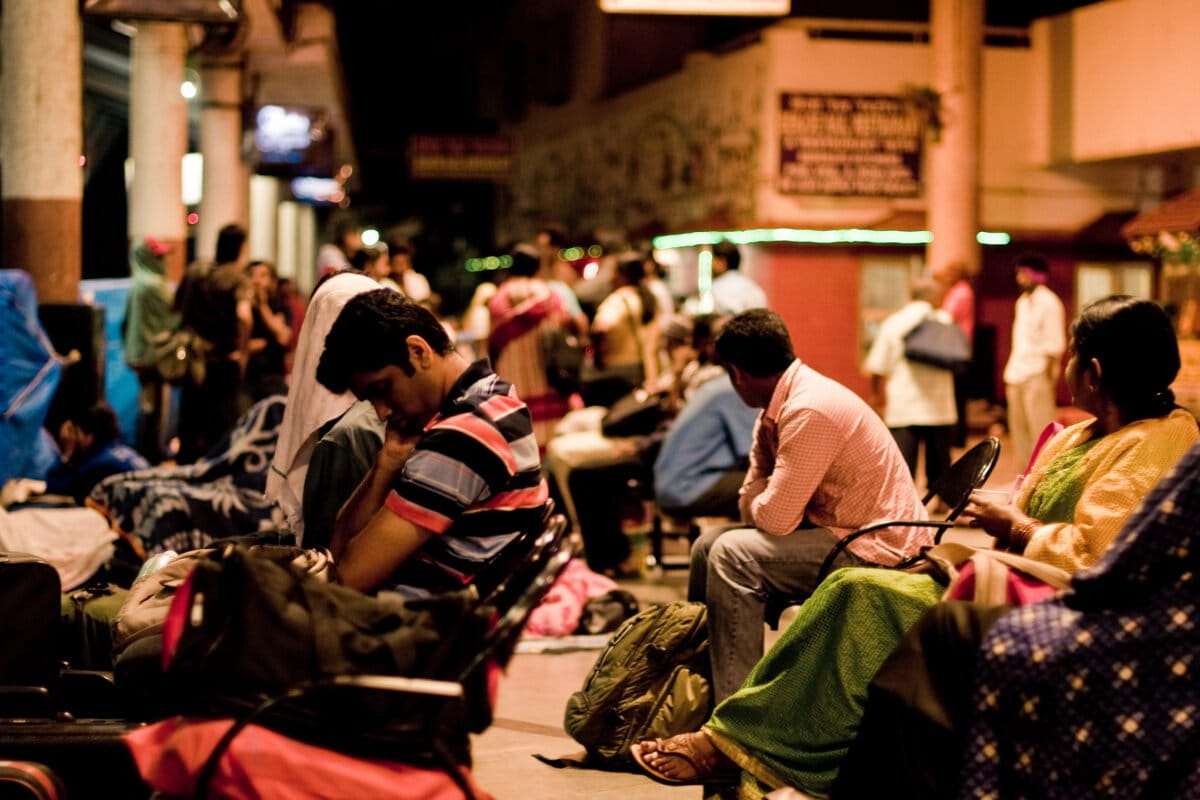
Experts Mongabay-India spoke to note that standard protocols to define warm nights are insufficient to capture the scale and intensity of the problem on the ground, leading to inadequate mitigation and adaptation strategies. Currently, India doesn’t have a policy for tackling warm nights nor are they included in the definition of heatwaves.
Most cities have experienced sweltering nights for several years now. A study published in The Physics and Chemistry of the Earth found that between 2001 and 2024, 30 of India’s 100 Smart Cities experienced night-time heatwaves.
Kashif Imdad, co-author of the paper and advisor, Uttar Pradesh State Disaster Management Authority, says that standard protocols may be insufficient to understand warm nights across Indian cities. Many cities do not cross the 40°C daytime heat mark, but they may still be feeling the effects of remarkably warm nights. Imdad also notes that while daytime heatwaves are either stabilising or becoming less frequent in certain regions, nighttime and compound heatwave events are intensifying.
Smaller cities in the hilly regions recorded the most nighttime heatwave days with 10.97 days per season. Cities in the plains, like Kanpur and Lucknow, had more frequent daytime (10.76 days) as well as nighttime heatwave days (9.67 days).
In cities like Ahmedabad and Jaipur, warming trends have already exceeded 1°C per decade, as per the 2025 Nature Cities paper. In Tier-II cities such as Jamshedpur, warming is reportedly driven by local urban expansion rather than regional climate shifts.
Across Indian cities, urbanisation alone has enhanced warming by 60% (relative to surrounding non-urban areas), says Vinoj V., associate professor, School of Earth, Ocean and Climate Sciences, IIT Bhubaneswar, who co-authored the paper.
Why has the cool relief of night faded?
Sanap shares that the underlying cause is often an anticyclonic circulation — high pressure systems — in the atmosphere creating a heat dome. Anticyclones are influenced by factors ranging from ocean temperatures to planetary-scale circulations. High-pressure anticyclonic systems push warm air towards the surface. These result in clear summer skies, which suppress cloud formation, resulting in strong incoming solar radiation.
“When this circulation is present, it acts as a lid, preventing air from going out,” Sanap says. As the air is pushed downward, it undergoes adiabatic compression, which increases its temperature.
An adiabatic process is one in which no heat enters or leaves the system. Instead of exchanging heat with its surroundings, the system’s internal energy changes, causing its temperature to rise or fall. In the real world, adiabatic processes occur either in well-insulated systems or when changes happen so quickly that there is little time for heat transfer.
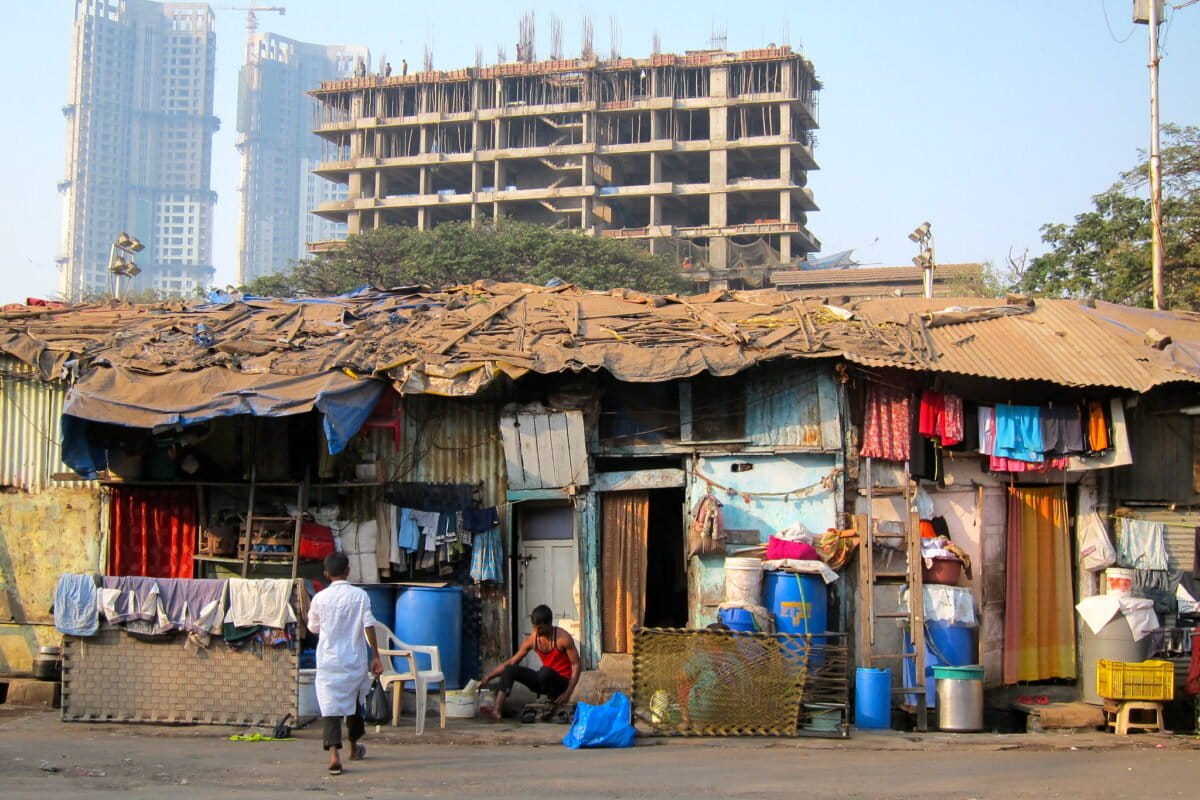
This atmospheric cap also suppresses the wind, Sanap says. With wind speeds dropping to near zero, the heat accumulated during the day is trapped in the lower troposphere. In densely-packed cities with infrastructure and buildings made of concrete, this is further exacerbated by heat islands. The concrete and asphalt absorb solar radiation all day and release it slowly at night, keeping urban centres 2°C to 10°C hotter than surrounding areas. “Infants, the elderly, and those in slum areas (who may lack ventilation) are the most vulnerable to sustained heat,” Sanap says.
Vinoj explains that several environmental and anthropogenic factors also contribute to nighttime warming. For instance, aerosols and particulate matter cut off incoming radiation leading to a cooling effect during the day. They, however, trap heat at night, particularly in Eastern India, where pollution accumulates due to slow wind speeds transporting particles from the northwest and central regions, Vinoj says. He adds that humid regions also experience warm nights due to high water vapour content, which is a powerful greenhouse gas.
By incorporating anthropogenic heat into their models, specifically looking at heat generated by air conditioners in office complexes and gated communities, scientists can also learn more about how human activity generates heat in the urban environment.
A warming urban India
India is urbanising. As of the 2011 Census, close to 31% of India’s population which is 317 million people, lived in urban areas. By 2050, India is expected to have an additional 416 million urban dwellers, with over 800 million people living in cities.
Warm nights disproportionately impact elderly and infants, and people living in informal settlements, Sanap notes, saying that persistent heat can be dangerous. “Cooling in the night helps people and the ecosystem to survive and to cool down. Warm nights don’t allow that break. This leads to a deficit for people and the ecosystem, which accumulates, and eventually affects our health,” Vinoj explains.
Palak Balyan, research lead at research consultancy Climate Trends, says that sustained nighttime heat is increasingly linked to kidney stress and sleeplessness. A study by Balyan suggests that building structure and ventilation can alter the indoor heat index.
“If it’s the ground floor, nighttime temperatures might cool down more easily compared to the top floor, depending on the presence of passive cooling (such as natural ventilation) or active cooling (where an external cooling system such as a fan is used),” she says. This disproportionately affects those in slum areas and informal housing, where high-density construction, poor ventilation, and lack of fans trap the heat.
Studies and data on warm nights and their impacts are limited, Balyan points out. Nighttime heat remains largely absent in official policies. Most Heat Action Plans (HAPs) are designed around daytime maximum temperatures.
While the India Meteorological Department includes details on rising minimum temperatures and warm nights in its bulletins, its current heatwave declaration protocols do not treat nighttime temperatures or minimum temperatures as a primary criterion, Sanap notes. Beyond basic advice on hydration and care for vulnerable groups, there is also no clear protocol or detailed advisory specifically for warm nights.
Uttar Pradesh is now initiating a process to officially recognize nighttime and compound heatwaves (where both day and night are hot) as distinct risks by next year, according to Imdad.
As India builds more cities and expands existing ones, it is time for the country to consider climate resilience and urban microclimates in the building plans, says Vinoj, adding: “We need to start looking at the smaller cities which are just about starting to develop. We can start defining rules, regulations, policies for these smaller cities to ensure they remain cool in the future.”
(Published under Creative Commons from Mongabay-India)