Irrigation Project Leaves Villages In Ch’garh Uncertain Over Ouster
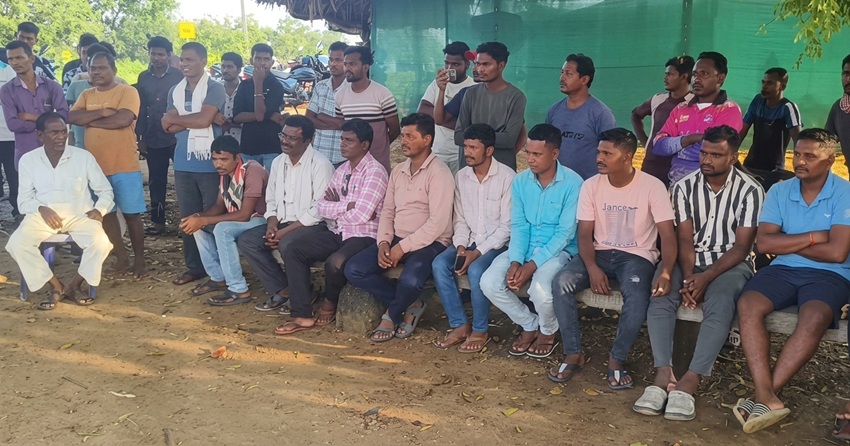
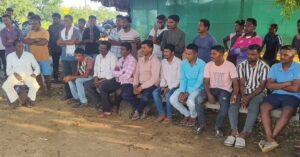
A meeting of the Bastariya Raj Morcha (BRM) in Konta, Chhattisgarh, in September 2026. The organisation has sought a public survey, fair compensation and rehabilitation for people who could be affected by the Polavaram project (Image courtesy of C.G. Khabar)
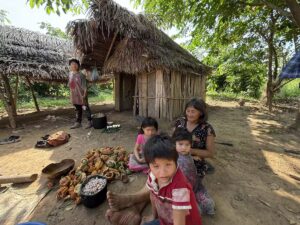
Manglu Dorla’s house stands at the edge of a forest overlooking the Sabari river in Konta village of Sukma district, southern Chhattisgarh. His family has farmed the land for generations, relying on the surrounding forest for fuel, fodder and food.
Today, Dorla fears that he may have to leave it all behind.
The source of his anxiety is the Polavaram Irrigation Project (PIP), a major dam being built more than 100 kilometres downstream on the Godavari river in Andhra Pradesh. While the project is expected to benefit millions through irrigation, drinking water and hydropower, residents in parts of Chhattisgarh remain uncertain about whether their villages will be submerged.
“None of us wants to leave our home,” Dorla said.
Conflicting figures fuel uncertainty
The Polavaram project is located near Ramanayyapeta in Polavaram mandal of Andhra Pradesh. Its dam is 45.72 metres high. Construction began in 2004 after decades of interstate negotiations, including a 1980 agreement signed when present-day Chhattisgarh was part of Madhya Pradesh.
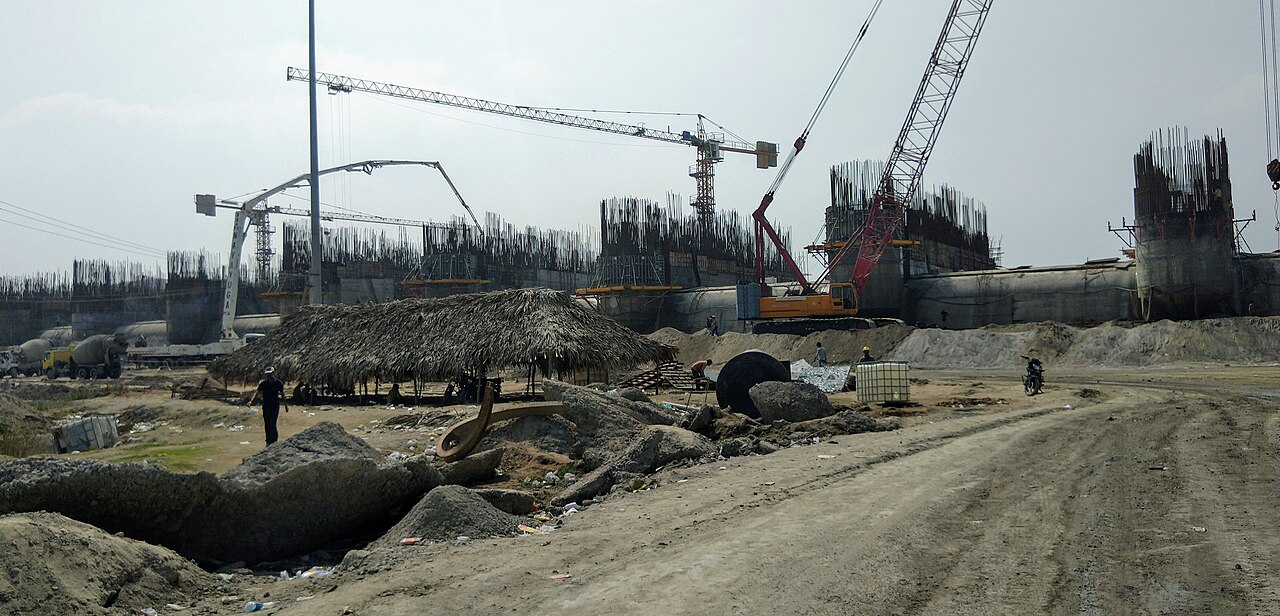
The project aims to create irrigation potential for 2.91 lakh hectares, generate 960 MW of hydropower, provide drinking water to about 28.5 lakh people in 540 villages and divert 80 TMC of Godavari water to the Krishna basin.
Declared a national project in 2014, it is now funded by the Union government, while Andhra Pradesh is implementing the project.
But for villages upstream, the question is much more basic: who will be affected?
Government records have offered different answers over the years. In 2013, the Union government told Parliament that eight villages in Chhattisgarh would be submerged. In 2020, the state’s water resources minister told the Assembly that nine villages could be affected: Banjamgunda, Metaguda, Pedakisoli, Asirguda, Injaram, Fandiguda, Dhondra, Konta and Venkatpuram. Around 18,510 people were identified as being at risk.
A 2006 report, however, mentioned only four villages, covering 2,335 families and 11,766 people.
More recently, the Bastariya Raj Morcha (BRM), a local political and social organisation, has claimed that as many as 18 villages could be affected and has demanded a public survey and disclosure of the exact submergence area.
Interstate submergence remains unresolved
A 2025 performance audit by the Comptroller and Auditor General (CAG), tabled in the Andhra Pradesh Assembly in March 2026, has highlighted the unresolved risk of interstate submergence.
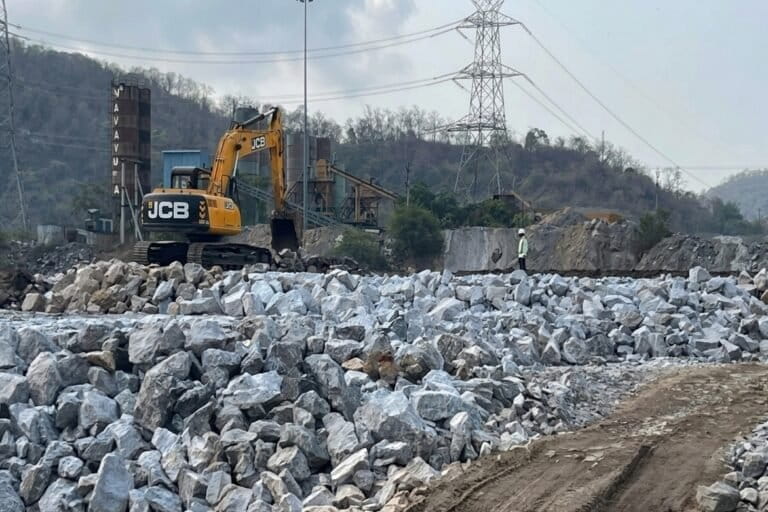
The CAG said that without protective measures, backwaters from the project could submerge 12 villages in Chhattisgarh and Odisha, affecting 3,337 project-affected families.
To prevent this, Andhra Pradesh had proposed embankments along the Sabari and Sileru rivers in Odisha and the Sabari in Chhattisgarh. The plans envisaged 29.12 km of embankments in Chhattisgarh and 30 km in Odisha, along with drainage sluices.
However, the CAG found that construction had not begun.
The dispute is linked partly to environmental clearances and the requirement for public hearings in the two states. Odisha approached the Supreme Court in 2007, followed by Chhattisgarh in 2011, challenging aspects of the project’s environmental clearances.
According to the CAG, public hearings required for the protective embankments were not held. In 2018, the two states told the court that the hearings could not be conducted while the matter remained sub judice.
Communities fear losing more than land
The uncertainty has particular significance for the Koya and Dorla tribal communities living in the region.
Manish Kunjam, a former MLA from Konta and a member of BRM, said the full impact remains unclear but estimated that 17 to 18 villages could be affected.
“The full impact is yet to be assessed, but around 17 to 18 villages could be affected. The impact could be severe,” he said.
For tribal communities, Kunjam said, displacement could mean losing not only homes and farmland but also cultural practices and traditional ways of life.
At a community meeting on September 26, local tribal leader Soyam Bhima was appointed to head a delegation that will visit potentially affected villages, document residents’ concerns and assess the situation.
BRM is demanding a public survey, disclosure of all potentially affected villages, compensation before displacement, basic services at resettlement sites, alternative employment and education in local languages.
Survey still not public
In 2022, Chhattisgarh’s then agriculture minister Ravindra Choubey told the state Assembly that survey work was still underway. The survey report, however, has not been made publicly available.
On September 28, Chief Minister Vishnu Deo Sai visited the region to inspect flooding and said the number of villages affected by the Polavaram project could exceed 18. He said the government was monitoring the situation.
Bastar MP Mahesh Kashyap said survey reports from Andhra Pradesh and Chhattisgarh would be compared and taken to Parliament.
Meanwhile, SANDRP coordinator Himanshu Thakkar has criticised the project’s progress, arguing that environmental and legal requirements remain unresolved.
“There should have been a public hearing, where affected people should have been given the opportunity to participate so they could express their views,” Thakkar said.
The Andhra Pradesh government has said the project will be implemented in phases and that the first phase, involving water storage up to 41.15 metres, would not cause interstate submergence. It has also said it expects to resolve the issue before the first phase is completed.
For residents like Dorla, however, uncertainty itself has become a burden.
He and many others in Konta still do not know whether their homes will remain above water, whether they will have to relocate, or whom they should approach for a definitive answer.