A Defamation Case, A Non-Bailable Warrant And Free Speech
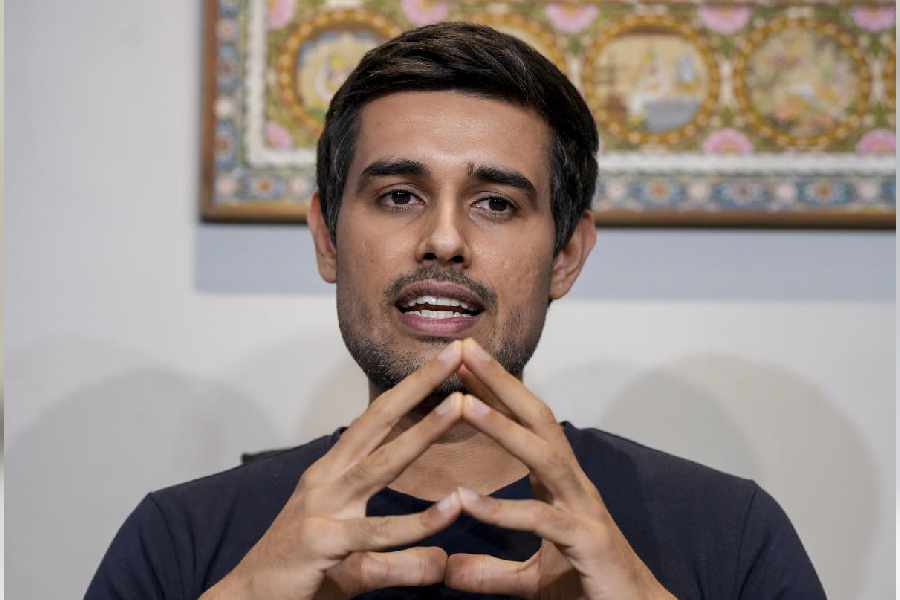
On November 23, a Delhi court issued a non-bailable warrant (NBW) against YouTuber Dhruv Rathee in a criminal defamation case dating back to 2018
-
A Delhi court has issued a non-bailable warrant against YouTuber Dhruv Rathee in a criminal defamation case linked to his 2018 video alleging an attempted bribery by the BJP’s IT cell.
-
The complaint was filed by Vikas Sankrityayan, who accused Rathee of making false and defamatory claims; the case also involved former Delhi chief minister Arvind Kejriwal, who had shared the video.
-
The warrant follows repeated attempts to secure Rathee’s appearance, with the court seeking to advance proceedings in a case that has remained pending for several years.
A Delhi court on Monday, November 23, issued a non-bailable warrant (NBW) against YouTuber Dhruv Rathee in a criminal defamation case dating back to 2018. The complaint, filed by Vikas Sankrityayan, also known as Vikas Pandey, concerns a video in which Rathee alleged that members of the Bharatiya Janata Party’s (BJP) IT cell had attempted to bribe the complainant to defame him.
The order was passed by Judicial Magistrate First Class Anam Rais Khan at the Saket court. The matter has been listed for further proceedings on December 3, while a detailed order is awaited. The warrant marks a significant development in a case that has remained pending for several years, with repeated attempts to serve summons on Rathee.
The 2018 video at the centre of the case
The defamation complaint arose from a video titled BJP IT Cell Part II, uploaded by Rathee in May 2018. In it, the YouTuber alleged that the BJP’s publicity and information technology network had tried to pay the complainant to malign him. Reports on the case have also referred to an alleged offer of Rs 50 lakh through an intermediary to persuade a person to withdraw allegations that the BJP IT cell spread fake news.
Sankrityayan disputed the allegations, claiming that they were false, malicious and intended to damage his reputation. He subsequently initiated criminal defamation proceedings against Rathee and then Delhi chief minister Arvind Kejriwal, who had shared the video on social media.
Kejriwal later admitted before the court that sharing the video had been a mistake, and proceedings against him took a separate course. The complaint against Rathee, as the creator and publisher of the video, continued.
The case has therefore brought together questions of online speech, political commentary and the legal limits of allegations made in public discourse. While Rathee’s video concerned alleged conduct by a political party’s IT network, the complainant’s case rests on the contention that the claims made against him were defamatory. The allegations remain matters for adjudication; the issuance of a warrant does not establish their truth or amount to a finding of guilt.
Repeated summons and escalation to a non-bailable warrant
The latest order follows several attempts by the court to secure Rathee’s appearance. The court had initially summoned him in July 2019. However, proceedings over the service of notices continued, with the complainant arguing that the process had been delayed for years because Rathee ordinarily resides abroad.
In October this year, the complainant moved an application seeking an earlier hearing and fresh summons. His counsel, Samaksh Sharma, reportedly told the court that Rathee was in India at the time and that the opportunity should be used to ensure service. The application also referred to information about Rathee’s address in Haryana.
The court issued fresh summons, followed by bailable warrants in October after a process server reported that the premises in Gurugram were locked when notice was attempted. Fresh bailable warrants were also issued later that month. Rathee’s counsel submitted that he ordinarily resides in Austria and had travelled to India to participate in protests in Delhi organised under the banner of the Cockroach Janata Party (CJP).
A non-bailable warrant is a more stringent process than a summons or a bailable warrant. It authorises the police to arrest the person named in it and bring them before the court; unlike a bailable warrant, release is not automatic as a matter of right. Its issuance, however, does not decide the merits of the defamation complaint.