How ICJ’s Myanmar Genocide Ruling Could Reshape Int’l Justice

FILE PHOTO: Newly-arrived Rohingya refugees board a boat as they transfer to a camp in Cox's Bazar, Bangladesh on October 2, 2017
The International Court of Justice’s (ICJ) November 19 ruling that Myanmar committed genocide against the Rohingya marks a watershed in international law, ending a seven-year legal battle and delivering an unprecedented finding of state responsibility for genocide. Beyond recognising the suffering of a persecuted minority, the judgment could influence other cases involving alleged genocide, strengthen the principle of international accountability and renew pressure on governments to protect vulnerable populations.
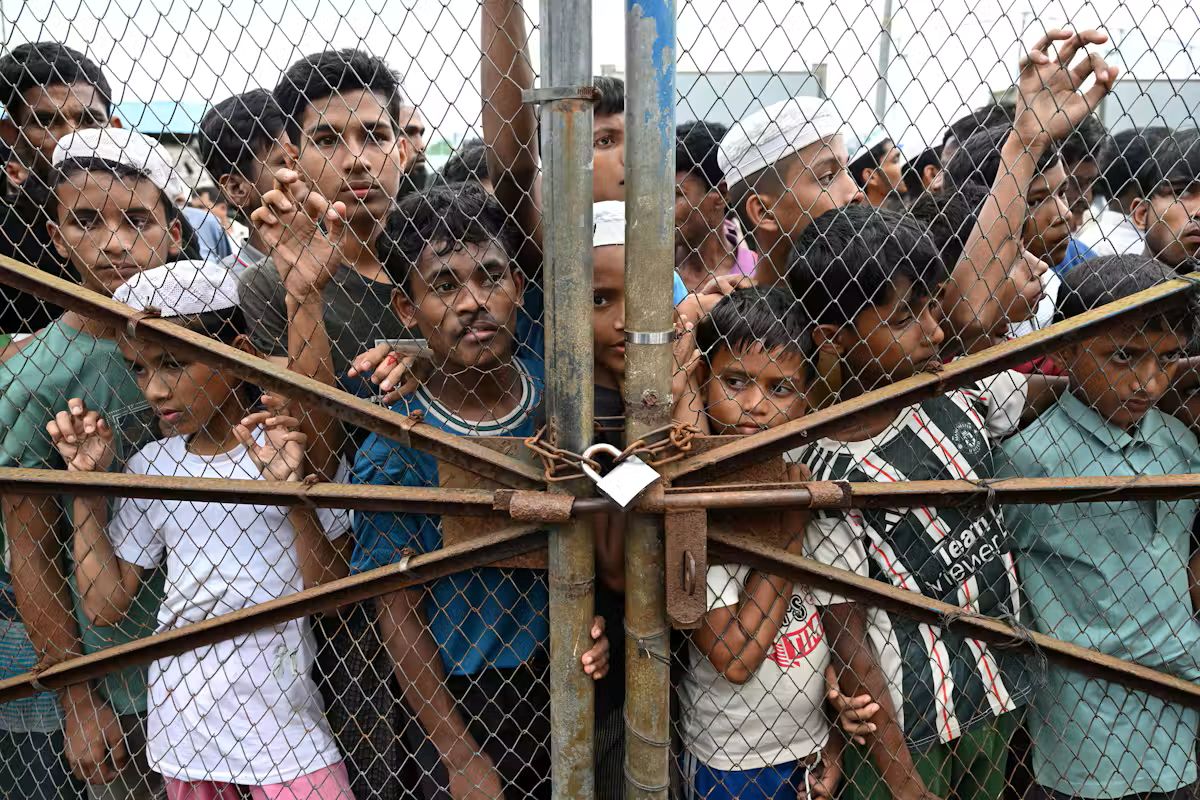
A majority of nine judges on the 15-member court found that Myanmar committed genocide against the Rohingya during the military’s 2016-17 “clearance operations” in northern Rakhine State. The campaign forced more than 700,000 Rohingya to flee to Bangladesh amid reports of mass killings, sexual violence, village burnings and other atrocities. More than a million Rohingya remain displaced in Bangladesh, while hundreds of thousands continue to live in Myanmar.
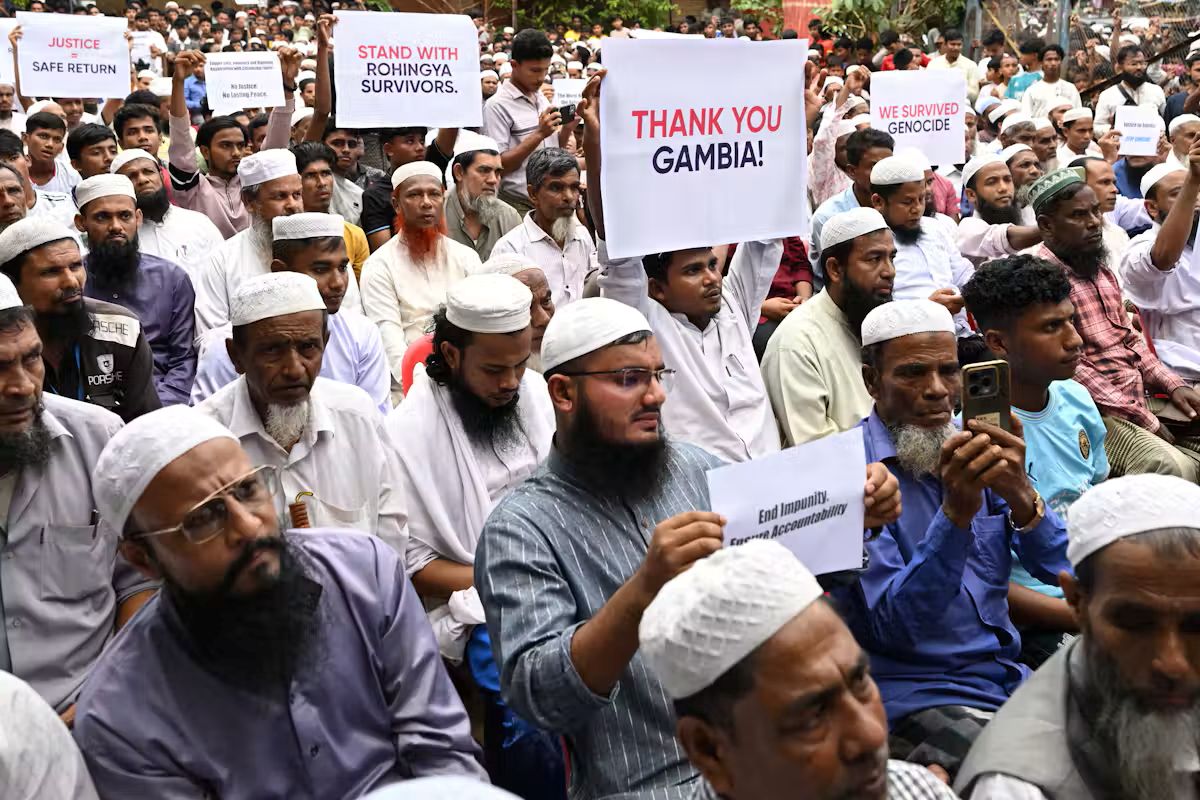
“The Republic of the Union of Myanmar has committed genocide against the Rohingya,” ICJ President Yuji Iwasawa declared while delivering the judgment. The court found that Myanmar’s security forces committed genocidal acts, including killings, causing serious bodily and mental harm, and imposing measures intended to prevent births, with the intent to destroy a substantial part of the Rohingya population. It rejected Myanmar’s argument that the military operations were legitimate counter-insurgency measures.
The ruling is historic because the ICJ, the United Nations’ principal judicial organ, had never before found a state responsible for committing genocide. Earlier international proceedings had established individual responsibility for genocide, while the court had previously found states responsible for failing to prevent or punish it. This judgment goes further by directly establishing Myanmar’s responsibility for the crime itself.
The case was brought by The Gambia in November 2019 under the 1948 Genocide Convention. Although the West African country had no direct connection to the atrocities, the court recognised its right to initiate proceedings because all states party to the convention have a shared interest in preventing and punishing genocide. This principle, known as erga omnes partes, has implications well beyond the Rohingya crisis: it affirms that a country does not need to be directly affected by alleged violations to seek accountability under the convention. Eleven states intervened in the proceedings.
A precedent beyond Myanmar
The judgment’s ramifications are likely to extend to other international cases, particularly South Africa’s genocide case against Israel over its military campaign in Gaza. While each ICJ case is assessed on its own evidence and the ruling does not automatically determine the outcome of another proceeding, its reasoning will be closely examined by legal teams and governments.
One important aspect is the court’s assessment of genocidal intent. Myanmar had argued that its operations were directed against insurgents, not the Rohingya population as a group. The judges considered the broader pattern of conduct, including systematic killings, sexual violence, restrictions on births and forced displacement, rather than accepting the military’s stated justification at face value.
The finding reinforces that the existence of an armed conflict or a claim of counter-terrorism does not, by itself, rule out genocide. It also highlights the importance of examining sexual violence and reproductive restrictions as possible elements of genocidal conduct. These questions are relevant to other cases where governments have invoked military or security objectives to defend their actions.
The judgment also formally recognises the Rohingya as a distinct ethnic group, challenging Myanmar’s longstanding denial of their identity and its description of them as foreign migrants. This recognition has significance beyond legal terminology: it affirms the community’s identity and strengthens its claims to protection, citizenship and the right to return.
Justice must translate into action
The court ordered Myanmar to end ongoing violations of the Genocide Convention, enact legislation giving effect to its obligations, investigate those reasonably suspected of committing genocidal acts and prosecute and punish them where warranted. It also directed the country to provide guarantees against repetition and adopt measures of restitution, including enabling the safe, voluntary and dignified return of displaced Rohingya and reunification of families.
Myanmar must compensate the Rohingya for damage not remedied through restitution. The court will determine the amount and modalities of compensation in a subsequent phase, after Myanmar submits a report within two years.
However, translating the judgment into reality will be difficult. ICJ decisions are binding and final, with no appeal, but the court has no independent enforcement mechanism. Implementation depends heavily on state cooperation and international pressure. The United Nations Security Council can take steps to enforce the ruling, but geopolitical divisions and the possibility of vetoes can limit action.
Myanmar’s response has already raised doubts about compliance. On November 20, its government dismissed the ruling as “unfair”, pointing to the nine-six vote and reiterating its denial of genocide. It said it would study the judgment but did not address the court’s demands for reparations and safe return. Meanwhile, the country remains engulfed in civil war following the 2021 military coup, making accountability and refugee repatriation even more complicated.
For the Rohingya, the verdict is an acknowledgement of atrocities endured for decades, but it does not immediately restore homes, citizenship or security. As survivor Yousuf Ali said after the ruling: “Today, we have finally been heard, and it is a profound relief.” He added that the fight was not over.
The judgment has established an important legal milestone. Its wider significance, however, will depend on whether governments and international institutions can turn that recognition into accountability, protection and a credible future for the Rohingya.