The World Falls Short In Funding Climate Change Losses
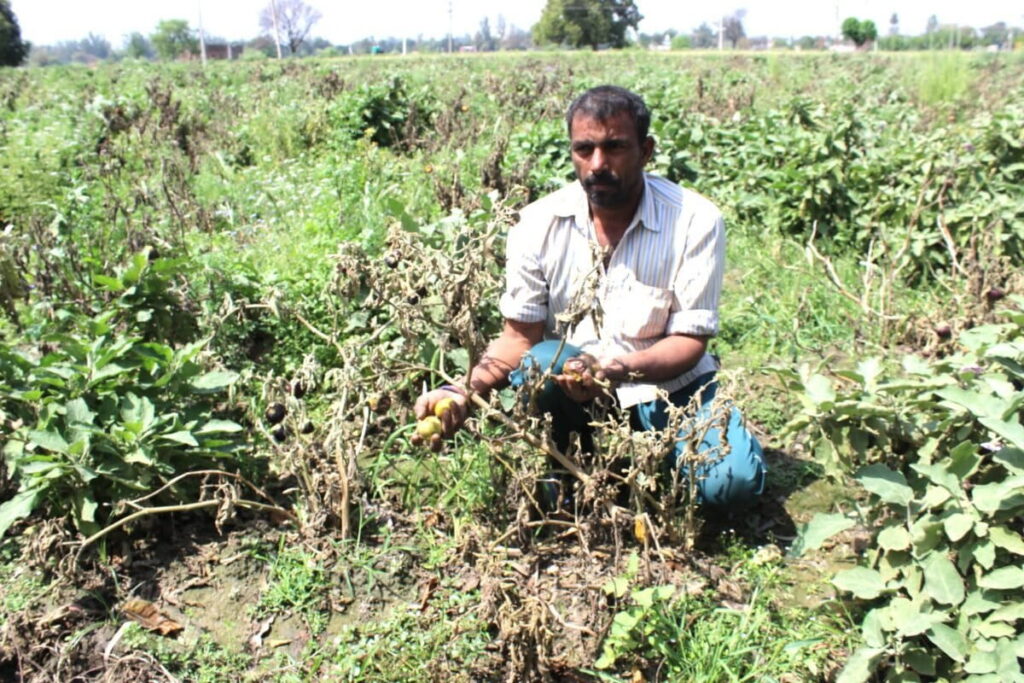
A farmer in Haryana shows his brinjal crops damaged by unseasonal rains (Image by Dharini Parthasarathy/CCAFS via Flickr)
- The international response to climate losses remains inadequate, leaving vulnerable communities to bear the costs of damage they did little to cause.
- The loss and damage fund has attracted pledges worth hundreds of millions of dollars, yet the money available is a fraction of what vulnerable countries need.
- From South Asia to the Pacific, affected communities face mounting losses that money alone cannot repair, while slow decisions and limited access leave many without meaningful support.
In 2022, floodwater engulfed the farm and home of Abdul Khalique Laghari, a farmer from Pakistan’s Sindh province. The water rose six to eight feet in some places. The crops were destroyed, houses were inundated and the land was left damaged. Four years later, farmers in the region are still struggling to cultivate it. “Our farms were underwater. The water entered our houses. Everything was destroyed,” Laghari said. He and more than 30 other farmers from Sindh are now seeking compensation for their losses.
Their experience shows how climate damage reaches far beyond the moment a disaster strikes. A farmer loses not just a crop, but the income needed to feed a family and pay off debt. A coastal household may find its drinking water contaminated by salt. A fishing community may see its catch decline as the sea changes. An island community may face the loss of the land on which its history and identity are rooted.
These are the human costs of climate change, increasingly recognised in international negotiations as loss and damage. They include the destruction caused by floods, storms and heatwaves, but also the slower damage from rising seas, coastal erosion and saltwater intrusion. Some losses can be repaired with money. Others are irreversible.
The scale of the problem is growing. The World Meteorological Organization’s climate update, released as the annual UN climate summit in Türkiye’s Antalya opened, says the past 12 years are set to be the warmest on record. Sea levels and ocean heat have also reached record highs. The Intergovernmental Panel on Climate Change, a body of climate scientists and experts, has warned that human-induced climate change is already causing widespread losses and damage to people and nature.
Yet the international response remains far behind the needs of those affected. That gap is a central challenge for nearly 200 countries meeting in Antalya.
A fund too small for the damage
The creation of the Fund for responding to Loss and Damage in 2022 was a breakthrough. Developing countries had spent decades demanding financial support for damage that could no longer be prevented through reducing emissions or avoided through adaptation. The fund was meant to help vulnerable countries deal with the destruction of homes, infrastructure, livelihoods and ecosystems.
But its resources are nowhere near the demand. The fund received 176 requests from 119 countries in its first funding round, seeking a total of $2.8 billion. It had set aside only $342 million. The fund’s secretariat is reviewing the requests, with an initial package due before its board in December.
Nor has all the money pledged by governments reached the fund. A UN climate negotiations document records $822.71 million in pledges, of which only $485.77 million had been received by July 31. The fund’s first replenishment process is due to begin in 2027. A draft decision before the Antalya summit calls for new, substantial and predictable grants from developed countries. But the question is whether governments will match these promises with money.
Harjeet Singh, global convenor of the Fill the Fund campaign and founding director of the Satat Sampada Climate Foundation, described the fund as “a lifeboat with no oars.” A few hundred million dollars in voluntary pledges cannot meet the scale of the destruction, he said. Vulnerable countries need grants on a much larger scale, not loans that deepen their debt.
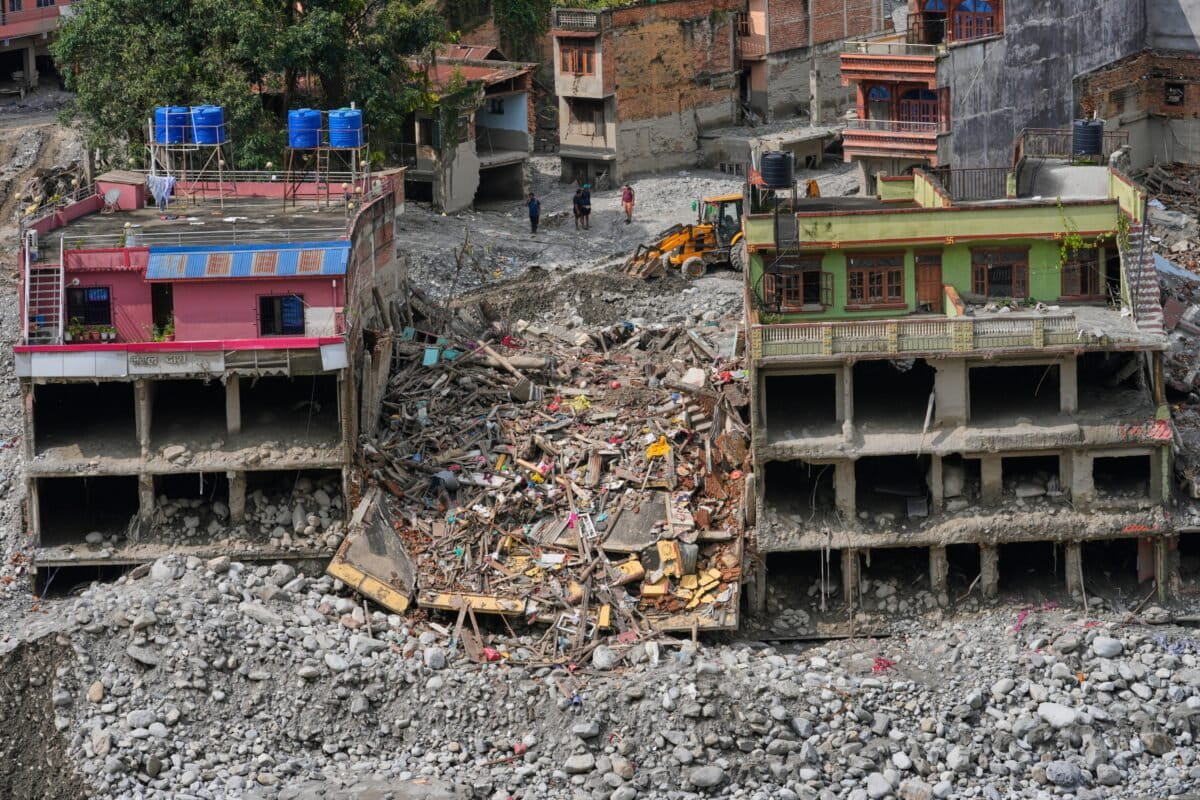
Nepal illustrates the gulf between the money available and the cost of recovery. The August floods due to a glacier collapse in the Bhote Koshi valley killed more than 1,400 people and left thousands missing. The World Bank estimates that recovery and reconstruction will cost about $4.8 billion. The loss and damage fund has provisionally set aside just $21.6 million for Nepal. The allocation is a welcome step, but it is not yet money disbursed and represents only a tiny fraction of the country’s needs.
“I come here from a nation still in grief,” Nepal’s foreign minister Shisir Khanal told the summit. “This is the time to put sympathy into the system, and promises into action.”
The problem is not only the size of the fund. Countries must prepare proposals and wait for approvals before money can be released. That takes time, while families need shelter, farmers need to restore their land and communities need basic services. For people already struggling to recover, delays can mean another lost season or another year without a secure home.
The UN Climate Change’s loss and damage team was approached for comment, but had not responded by the time of publication.
South Asia is already paying
The urgency is particularly clear in South Asia. Pakistan’s farmers are still dealing with the aftermath of the 2022 floods. Nepal is facing the enormous task of rebuilding after the recent disaster. In coastal Bangladesh, saltwater intrusion, storm surges and erosion are damaging farmland, freshwater supplies and livelihoods. A 2026 study in coastal Shyamnagar, a coastal area of Bangladesh found that the damage also affects health, cultural practices and social ties.
India faces similar pressures along its coast, including in the Sundarbans, where erosion and saltwater intrusion threaten homes and livelihoods. For families dependent on farming and fishing, the damage is not a single event but a steady erosion of their ability to make a living. Better records of such losses are essential, but documenting the damage will not compensate a family whose land has turned saline or whose home has been washed away.
What money cannot replace
On Pari Island, north of Jakarta in Indonesia, around 4,000 people live on just over 41 hectares. Residents have faced tidal flooding since the early 2000s. Large-scale flooding worsened from 2019 and reached its worst point in 2021. Rising seas, stronger waves, warmer seawater and changing fishing patterns threaten their homes and livelihoods.
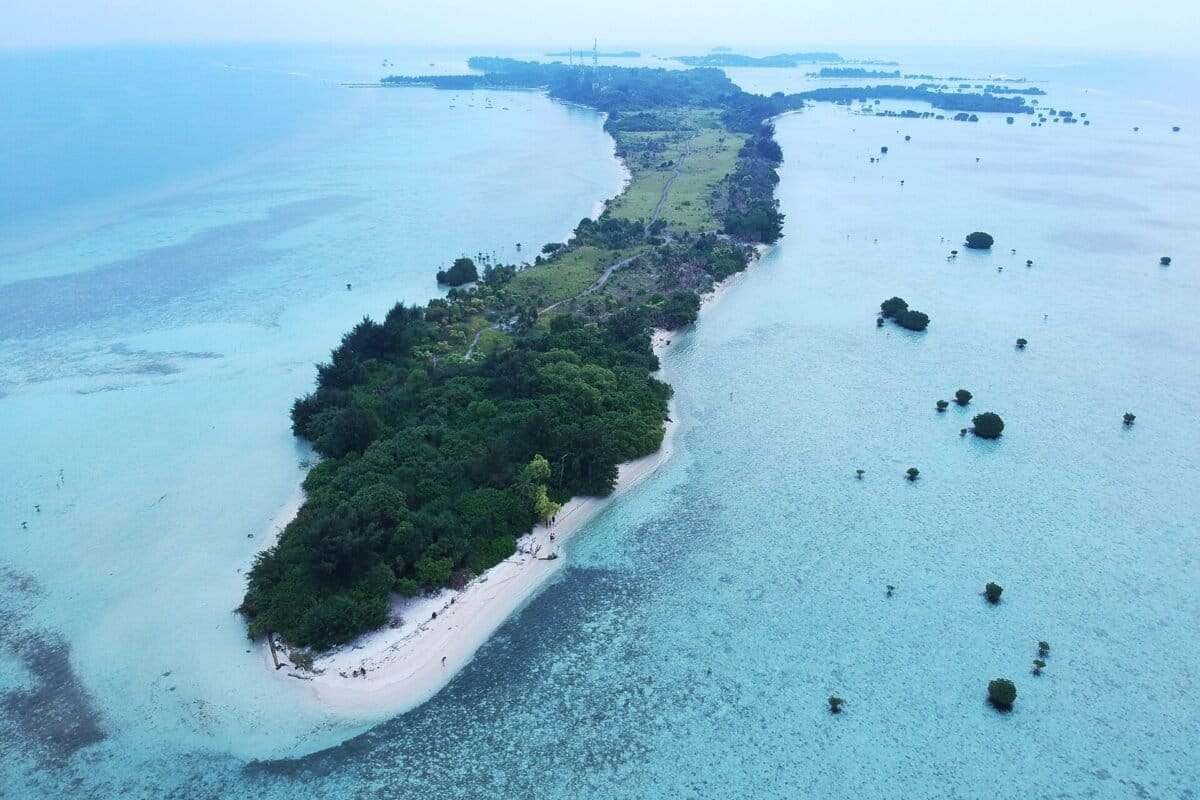
Four residents have taken a case against cement producer Holcim in Switzerland, seeking compensation for existing damage and action to reduce emissions. The lawsuit was declared admissible in 2025, but the company has appealed. The legal challenge has not established liability, but it is one of the ways residents are trying to make polluters answer for the damage. As Boy Jerry Even Sembiring of the Indonesian environmental group WALHI said, “This is not just about one island or community.”
For Pacific islanders, the threat goes beyond homes and income. Rising seas, coastal erosion and saltwater intrusion can destroy freshwater sources and damage places that hold a community’s history. A report released this month by the Secretariat of the Pacific Regional Environment Programme documents climate-related losses across 14 Pacific island countries, including damage to livelihoods, ecosystems, cultures and ways of life.
“Our land is more than the space we occupy. It holds our identities, our languages, our traditions and our connection to generations before us,” said Kirsten Madison, a loss and damage coordinator from the Marshall Islands. Singh made the point more starkly: “We cannot put a price tag on existence and identity.”
The fund cannot bring back lost land, restore every damaged ecosystem or replace a culture uprooted by rising seas. But it can help families rebuild homes, farmers recover livelihoods and countries protect communities facing repeated climate shocks. That requires far more money, faster decisions and easier access to grants.
As negotiations continue in Antalya, governments face a clear choice. They can leave with another set of promises, or they can put substantially more money behind the fund and make support reach affected countries faster. For Laghari and the farmers of Sindh, for families in Nepal and for island communities watching the sea advance, the wait is already too long.