Menopause Matters, Yet Health Records In India Rarely Track It
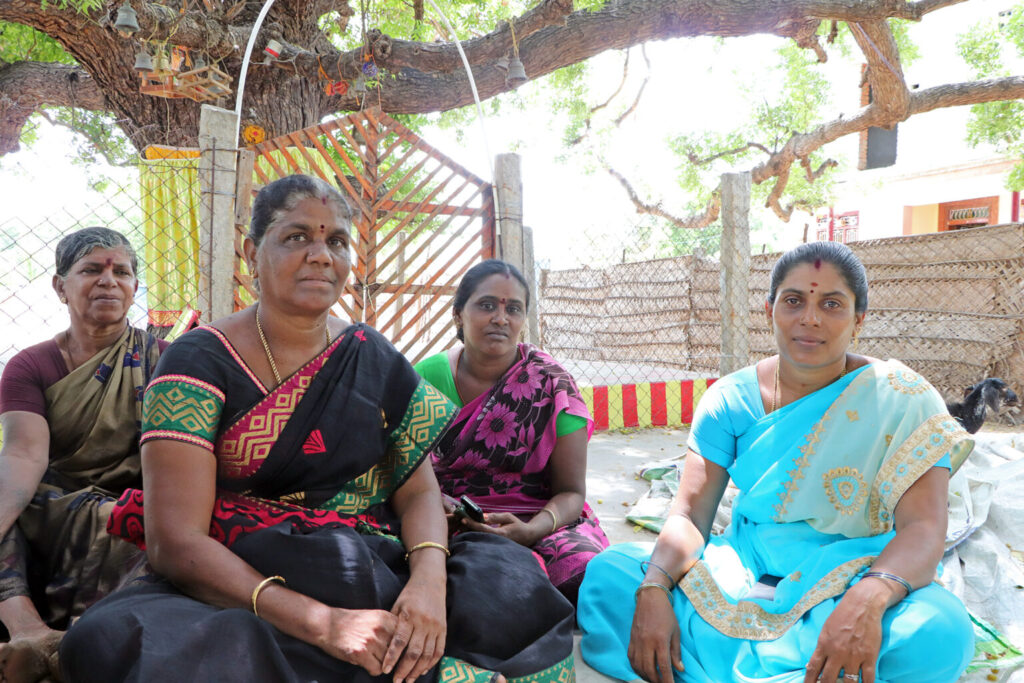
Menopause is not simply the end of menstruation. It is an important health transition that can influence a woman’s wellbeing during midlife and beyond. In India, recognising and documenting menopause more systematically could improve conversations between women and healthcare providers, strengthen research into midlife women’s health and support more personalised care (Photo by Almaas Masood/Mongabay)
Anyone with ovaries who lives long enough will experience menopause. Yet in India, as in many parts of the world, menopause remains an under-recognised part of women’s healthcare.
Menopause is a natural stage of midlife, but its effects can be significant. Hot flashes, sleep problems, mood changes, fatigue and other symptoms can affect a woman’s quality of life. The timing of menopause may also have implications for long-term health, including the risk of heart disease, osteoporosis and other conditions.
You might therefore expect a woman’s menopause status to be routinely documented in her medical records. But that is often not the case.
A recent analysis of electronic medical records of almost 240,000 women found that menopause was mentioned in only 12% of records, even though more than half of the women reported separately that they were experiencing the transition. The findings, published in the journal Menopause, point to a significant gap in how women’s health is documented.
For India, this issue is particularly relevant. The country has a large and growing population of women entering midlife, yet conversations around menopause often remain limited to symptoms and reproductive health. Menopause is frequently treated as a natural stage that women are simply expected to endure, rather than as an important component of long-term healthcare.
A missing link in medical records
Menopause does not begin at the same age for everyone, and symptoms can vary considerably. Some women experience severe hot flashes, disrupted sleep or difficulty concentrating, while others have few noticeable symptoms.
The age at which menopause occurs can also differ. One woman may experience natural menopause in her mid-40s, while another may reach it in her early 50s. Both can fall within the normal range, but the timing and symptoms can provide important information about a woman’s health.
Yet basic details such as whether a woman has reached menopause, her age at menopause and the symptoms she experiences are often absent from medical records.
This creates a major problem for healthcare and research. India’s expanding digital health infrastructure and electronic health records could potentially provide researchers with valuable information about the health experiences of millions of women. But that opportunity depends on consistently recording menopause-related information in the first place.
Better data could help researchers understand how menopause affects Indian women across different regions, socioeconomic groups and communities. It could also help examine connections between menopause and cardiovascular health, bone health, mental health and other chronic conditions.
Why is menopause overlooked?
There are several possible reasons why menopause may not be routinely documented.
Because menopause is a natural biological transition rather than a disease, doctors may not always record it as a diagnosis. Patients may also be reluctant to discuss symptoms unless they become particularly troublesome. In busy clinics, particularly in overstretched healthcare systems, menopause may receive less attention than an immediate medical complaint.
Cultural attitudes can add another layer. Menopause is still not openly discussed in many Indian families and communities. Women may regard symptoms such as hot flashes, sleep difficulties or changes in mood as something they simply have to live with. As a result, opportunities for healthcare providers to identify and document the transition can be missed.
There is also considerable diversity in women’s experiences across India. A woman living in an urban setting with easy access to specialist care may have a very different experience from a woman in a rural or underserved community. Education, income, occupation, nutrition and access to healthcare can all influence how menopause is understood and treated.
Closing India’s menopause data gap
Better documentation does not necessarily require complicated systems.
A short questionnaire completed when a woman checks in for a medical appointment could ask whether she has reached menopause, her approximate age at menopause and whether she is experiencing common symptoms. That information could then become part of her electronic health record and support both clinical care and future research.
India’s growing digital health ecosystem could make such approaches increasingly feasible. Standardised menopause-related fields in electronic health records could allow doctors to identify relevant health risks while giving researchers a much clearer picture of women’s experiences across the country.
Artificial intelligence and other data-analysis tools could eventually help identify menopause-related information from existing medical records, laboratory results and other health data. But these technologies will be most useful when the underlying health information is comprehensive and accurately recorded.
Menopause is not simply the end of menstruation. It is an important health transition that can influence a woman’s wellbeing during midlife and beyond.
For India, recognising and documenting menopause more systematically could improve conversations between women and healthcare providers, strengthen research into midlife women’s health and support more personalised care.
What is not measured is difficult to understand, research or treat. If India wants to improve healthcare for women in midlife, menopause needs to become a visible part of the medical record.