The Path To Net-Zero Emissions Runs Through Industry

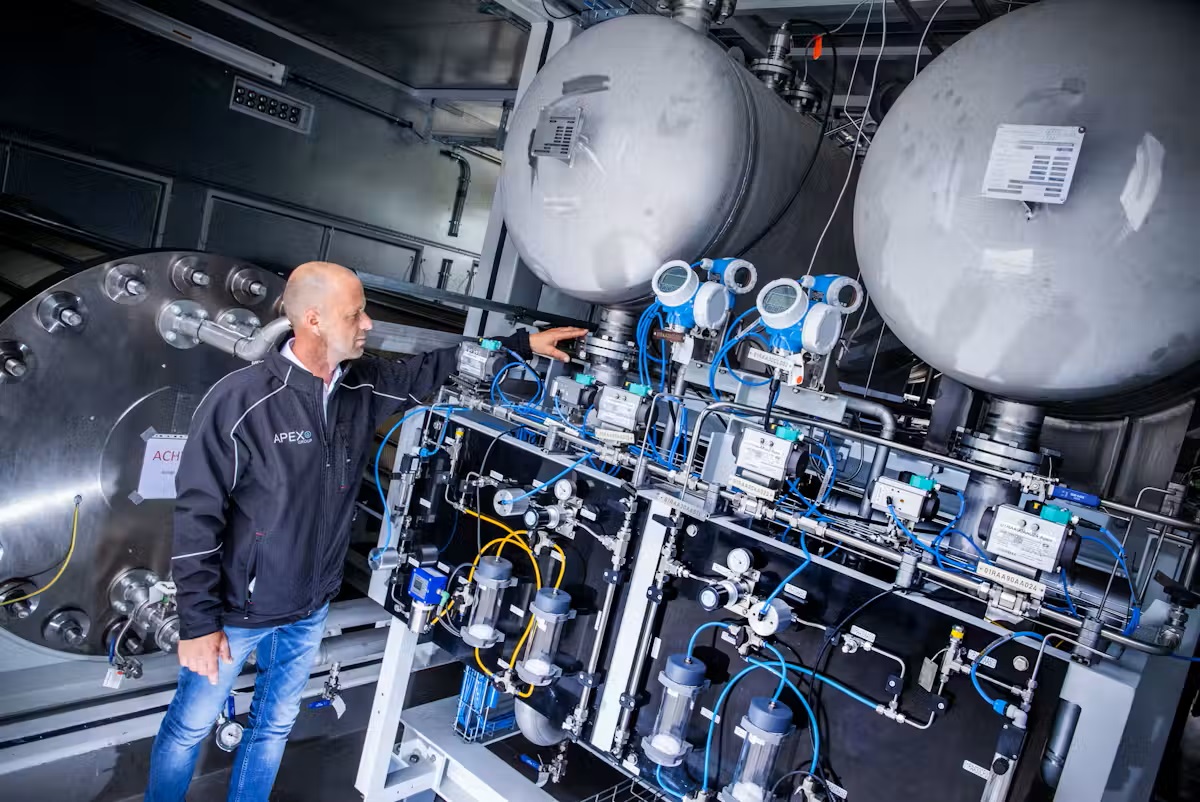
Industry has accounted for over 30% of total greenhouse gas emissions in recent years. It is the single largest emitting sector when accounting for its electricity use and heat generation (Representational Image)
As government leaders and climate negotiators gather in Dubai for the COP28 United Nations climate conference, an enormous challenge looms over the proceedings: decarbonizing the global industrial sector.
Industry has accounted for over 30% of total greenhouse gas emissions in recent years. It is the single largest emitting sector when accounting for its electricity use and heat generation.
For countries to meet their goals to cut greenhouse gas emissions, stopping emissions from carbon-intensive industries like steel, cement and chemicals is imperative.
There are promising technologies and innovations that can drive decarbonization in industry: green hydrogen fuel made from clean electricity and water, energy efficiency measures across supply chains, and carbon capture, use and storage to name a few.
However, these solutions have yet to be deployed at the speed and scale required to slow global warming.
Global industrial emissions will need to fall by 25% by 2030 for the world to be on track to reach net-zero emissions by 2050 – a target espoused by many of the world’s largest economies. That’s an extremely steep decline of 3% per year, and it will require a massive mobilization of money, technology and political will.
The positive news is that many countries are taking steps in the right direction. The U.S. Inflation Reduction Act, signed in 2022, includes approximately US$80 billion per year for climate initiatives from 2022-27, with provisions to spur clean technology deployment and incentivize emissions reductions across industrial sectors.
But efforts in developed countries, while commendable, are insufficient to drive global decarbonization at the pace needed to keep global warming in check. Developing countries face enormous barriers to adopting low-carbon technologies, from lack of infrastructure to insufficient skills and capacity.
In a recent paper in the journal Energy Research & Social Science, drawing from a series of deep dives on specific industries, we set out a comprehensive road map for decarbonizing industry around the globe. Here are some of the key points.
Scaling Up Finance
First and foremost, there needs to be a radical scale-up of financing for industrial decarbonization in the developing world. Annual investments will have to increase at least sevenfold by 2030 to get the world on track to reach net-zero emissions by mid-century.
Grants, loans, risk guarantees and equity investments provided through public and private institutions can help mobilize both public and private investments to meet that goal. That funding can start with developed countries meeting and exceeding their commitment to provide $100 billion in climate finance for developing countries every year. Developed countries bear the bulk of responsibility for past emissions that have fueled climate change.
More Technology Transfer
Decarbonization will move faster if developed countries accelerate their technology transfer to the Global South. That is, making sure that developing economies receive the advanced technologies needed and are included in global value chains.
With the majority of industrial emissions expected to come from emerging economies by mid-century, spreading knowledge and expertise will be critical. Partnerships between countries and companies can facilitate demonstration projects for new technologies like green hydrogen and carbon capture in developing nations.
Improved Job Training
The net-zero transition will also require a massive workforce with new capabilities, so investing in human capital and skills training is essential.
Companies and governments can collaborate to develop curriculums and apprenticeship programs focused on green technologies. Building this pipeline of talent to build and install renewable energy such as solar panels and appliances like heat pumps needs to start now. While demand for these technologies is high, one of the key constraints to their rapid growth is workforce development – across geographies and technology types.
Ensuring A Just Transition
Another priority is a just transition for communities that have relied on fossil fuels for generations. As industries transform, some jobs will be lost while new ones are created. Ensuring that the economic and environmental benefits spread across economies will require robust government and industry programs to assist displaced workers.
Establishing A Global Treaty
Finally, a new global treaty to coordinate industrial decarbonization will likely be necessary to move fast enough. The treaty could establish standards, incentivize coordination on policies and avoid unfair competition as countries shift to net-zero industries.
“Climate clubs” – groups of developed and developing countries working together to reduce emissions from specific industrial sectors – may also foster progress and technology sharing as they jointly implement decarbonization goals.
In our view, the path to net-zero emissions industries will be challenging but not impossible.
With smart policy, investments in technology and human capital, and bold leadership from countries in the Global North and Global South, we believe that decarbonizing heavy industry could become the next big climate and economic development success story.
(Originally published under Creative Commons from The Conversation. Read the original article here)