
Skip to content
Hindi News, हिंदी समाचार, Samachar, Breaking News, Latest Khabar – Pratirodh

Hindi News, हिंदी समाचार, Samachar, Breaking News, Latest Khabar – Pratirodh

Primary Menu Hindi News, हिंदी समाचार, Samachar, Breaking News, Latest Khabar – Pratirodh

Hindi News, हिंदी समाचार, Samachar, Breaking News, Latest Khabar – Pratirodh

  • Home
  • Newswires
  • Politics & Society
  • The New Feudals
  • World View
  • Arts And Aesthetics
  • For The Record
  • About Us
  • Featured

Resurrection of the Humble Millets: Cui Bono?

Apr 28, 2023 | Shalini Rai
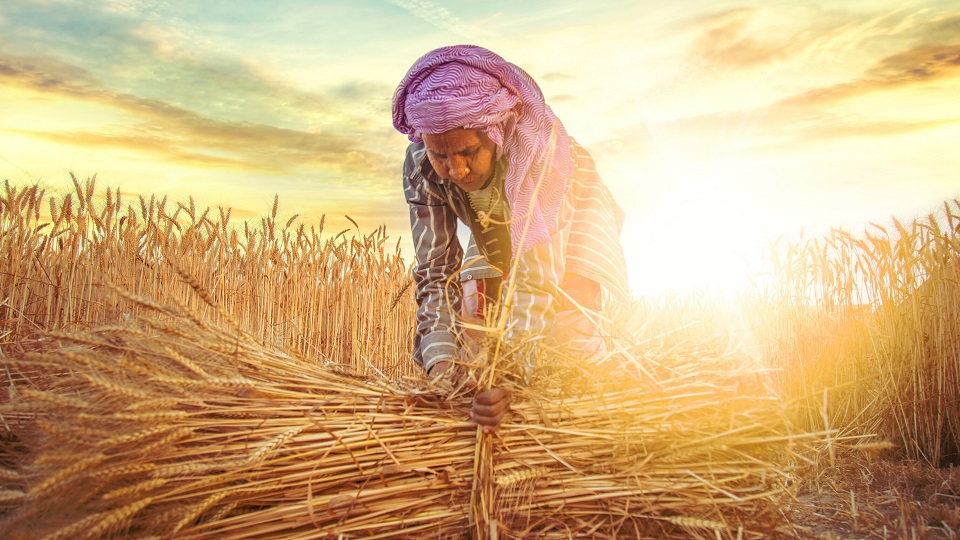
It is a moot question whether the government (acting here like a nanny state of sorts) has the best interests of its citizens (read: consumers) at heart or whether it is in it for the financial rewards. In the meantime, it will be a good strategy to keep our minds open about and our bellies sated with these once-'coarse' grains (Representational Image)

In recent times, the conversation around millets has gone from them being ‘coarse’ and ‘rustic’ to ‘chic’ and nutritious. Nutritionists are heartily promoting its consumption and the government is advocating its cultivation and production.

Half a century ago, millets were the staple food and were even consumed by our soldiers in the Army and paramilitary forces. But it soon lost out to the more ‘refined’ wheat and rice. Now, after being singed by the purported benefits of the Green Revolution and coming out the wiser, we are all again being told to switch to millets.

But first, what are millets?

According to the website ‘millet-advisor’, “They are a group of small-seeded annual grasses that are grown as grain crops primarily on marginal land in dry areas and belong to the Poaceae family. Millets are the ancient food grains first domesticated for food and grown in 131 countries. Millets are the traditional food for 59 crore people in Asia and Africa.”

Millets are well adapted to a variety of ecological conditions that typically demand less water, require less water and grow well even in infertile soil.

Nine types of millets are grown in India; among them are Sorghum (jowar), Pearl Millet (bajra) and Finger Millet (ragi) that cover 95% of the total millet growing area in India and the rest 5% are Little Millet (kutki), Foxtail Millet (kakun), Barnyard Millet (sawa), Proso Millet (cheena), Kodo Millet, and Browntop Millet.

They acquire their nutritional benefits from being rich sources of nutrition. Pearl Millet (bajra) has the highest iron content at 4-8 mg per 100 gm of grain and has the ability to tackle anaemia. It is rich in zinc and folic acid and is recommended for pregnant women. It contains twice more protein than dairy milk.

Millets are also beneficial in helping manage lifestyle diseases like diabetes. Their low glycemic index makes them the preferred food of people struggling to maintain their blood sugar levels. Finger millet (ragi) has about 364 mg calcium per 100 gm of grain — the highest among grains. It also has three times more calcium than milk and keeps the bones and teeth strong. There are immense nutritional benefits of consuming millets, from them being helpful in digestion to preventing constipation to high fibre content to being completely gluten-free and rich in antioxidants; they also reduce the risk of developing cardiovascular diseases and help in weight loss.

Now comes the main question — cui bono (who gains/benefits)? It is pertinent to mention here that we are all aware of the nutritional benefits of these ‘shree anna’ (blessed grains, as they have been christened by the current political dispensation) and that consuming them will help us keep healthy and live more productive lives.

Getting into the ‘economics’ of it, the one sector set to gain massively is the indigenous producers, among them both industrial scale companies and smaller entities.

According to the Economic Times, “The global millets market is projected to register a CAGR of 4.5 per cent between 2021-2026, according to a government statement. Since the government has decided to promote millets in a big way and consumers are getting aware too, businesses are warming up to the opportunity. Millets can help the FMCG industry during disruptions in global food grain supply chains, as it happened due to the Ukraine war, or adverse climate such as erratic monsoon rains bringing down the wheat and rice output.”

If you wonder why the government is so actively promoting these ancient grains now and enumerating their various benefits, it would help to look at the major players in the game.

Here’s a quote from the same Economic Times article quoted above that should be self-explanatory:

“Food and beverage producers in India are adopting millets in a big way. You can find millets in a range of products, from biscuits to beer. From packaged foods to breweries to restaurants, large companies including Nestle, ITC, Britannia, HUL, Tata Consumer, Bira 91 and Slurrp Farm are putting up ambitious plans to introduce millet-based packaged foods, beers and restaurant menus or boost their existing millet portfolios.”
It is a moot question whether the government (acting here like a nanny state of sorts) has the best interests of its citizens (read: consumers) at heart or whether it is in it for the financial rewards.
In the meantime, it will be a good strategy to keep our minds open about and our bellies sated with these once-‘coarse’ grains, which have now been given a makeover that is sure to match (or even exceed) any such given to a comparable entity in recent memory.
Tags: 'blessed grains', 'shree anna', millets, nutrition, Pratirodh

Continue Reading

Previous Prolonged Droughts May Have Caused End Of Indus Megacities: Study
Next Bauxite Mining In Jharkhand Impacting Is Soil Fertility, People’s Health

More Stories

  • Featured

Delhi’s Toxic Air Rises, So Does The Crackdown On Protesters

1 week ago Pratirodh Bureau
  • Featured

A Celebration of Philately Leaves Its Stamp On Enthusiasts In MP

1 week ago Pratirodh Bureau
  • Featured

Groundwater Management In South Asia Must Put Farmers First

1 week ago Pratirodh Bureau

Recent Posts

  • Delhi’s Toxic Air Rises, So Does The Crackdown On Protesters
  • A Celebration of Philately Leaves Its Stamp On Enthusiasts In MP
  • Groundwater Management In South Asia Must Put Farmers First
  • What The Sheikh Hasina Verdict Reveals About Misogyny In South Asia
  • Documentaries Rooted In Land, Water & Culture Shine At DIFF
  • Electoral Roll Revision Is Sparking Widespread Social Anxieties
  • Over 100 Journalists Call Sheikh Hasina Verdict ‘Biased’, ‘Non-Transparent’
  • Belém’s Streets Turn Red, Black And Green As People March For Climate Justice
  • Shark Confusion Leaves Fishers In Tamil Nadu Fearing Penalties
  • ‘Nitish Kumar Would Win Only 25 Seats Without Rs 10k Transfers’
  • Saalumarada Thimmakka, Mother Of Trees, Has Died, Aged 114
  • Now, A Radical New Proposal To Raise Finance For Climate Damages
  • ‘Congress Will Fight SIR Legally, Politically And Organisationally’
  • COP30 Summit Confronts Gap Between Finance Goals And Reality
  • Ethiopia Famine: Using Starvation As A Weapon Of War
  • Opposition Leaders Unleash Fury Over Alleged Electoral Fraud in Bihar
  • In AP And Beyond, Solar-Powered Cold Storage Is Empowering Farmers
  • The Plot Twists Involving The Politics Of A River (Book Review)
  • Red Fort Blast: Congress Demands Resignation Of Amit Shah
  • Here’s Why Tackling Climate Disinformation Is On The COP30 Agenda

Search

Main Links

  • Home
  • Newswires
  • Politics & Society
  • The New Feudals
  • World View
  • Arts And Aesthetics
  • For The Record
  • About Us

Related Stroy

  • Featured

Delhi’s Toxic Air Rises, So Does The Crackdown On Protesters

1 week ago Pratirodh Bureau
  • Featured

A Celebration of Philately Leaves Its Stamp On Enthusiasts In MP

1 week ago Pratirodh Bureau
  • Featured

Groundwater Management In South Asia Must Put Farmers First

1 week ago Pratirodh Bureau
  • Featured

What The Sheikh Hasina Verdict Reveals About Misogyny In South Asia

2 weeks ago Shalini
  • Featured

Documentaries Rooted In Land, Water & Culture Shine At DIFF

2 weeks ago Pratirodh Bureau

Recent Posts

  • Delhi’s Toxic Air Rises, So Does The Crackdown On Protesters
  • A Celebration of Philately Leaves Its Stamp On Enthusiasts In MP
  • Groundwater Management In South Asia Must Put Farmers First
  • What The Sheikh Hasina Verdict Reveals About Misogyny In South Asia
  • Documentaries Rooted In Land, Water & Culture Shine At DIFF
Copyright © All rights reserved. | CoverNews by AF themes.